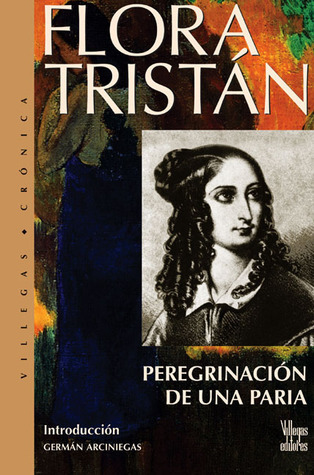
Popular history says only what it must about true rebels, so very little is remembered about Tristán, "South America's Emma Goldman." Born in Paris in 1803, her intellectual energy propelled her out of a conventional marriage into twenty years of "peregrinations"-a passionate drive to achieve political independence as a woman. That quest took her to Chile and Peru, and back to Europe where Tristan joined a radical vanguard confronting work conditions, the death penalty, slavery, and religious obscurantism. In 1837, she published this diary of her early life in South America, which was a sensation in literary Paris. Her novels, especially Mephis, or the Proletarian, ranked her with writers like George Sand. When she died of typhoid in 1844, more than 10,000 people took part in her funeral cortege in Paris. On the 200th anniversary of her birth, Flora Tristán's Peregrinaciones returns to print as inspiring, timeless political autobiography.
Author
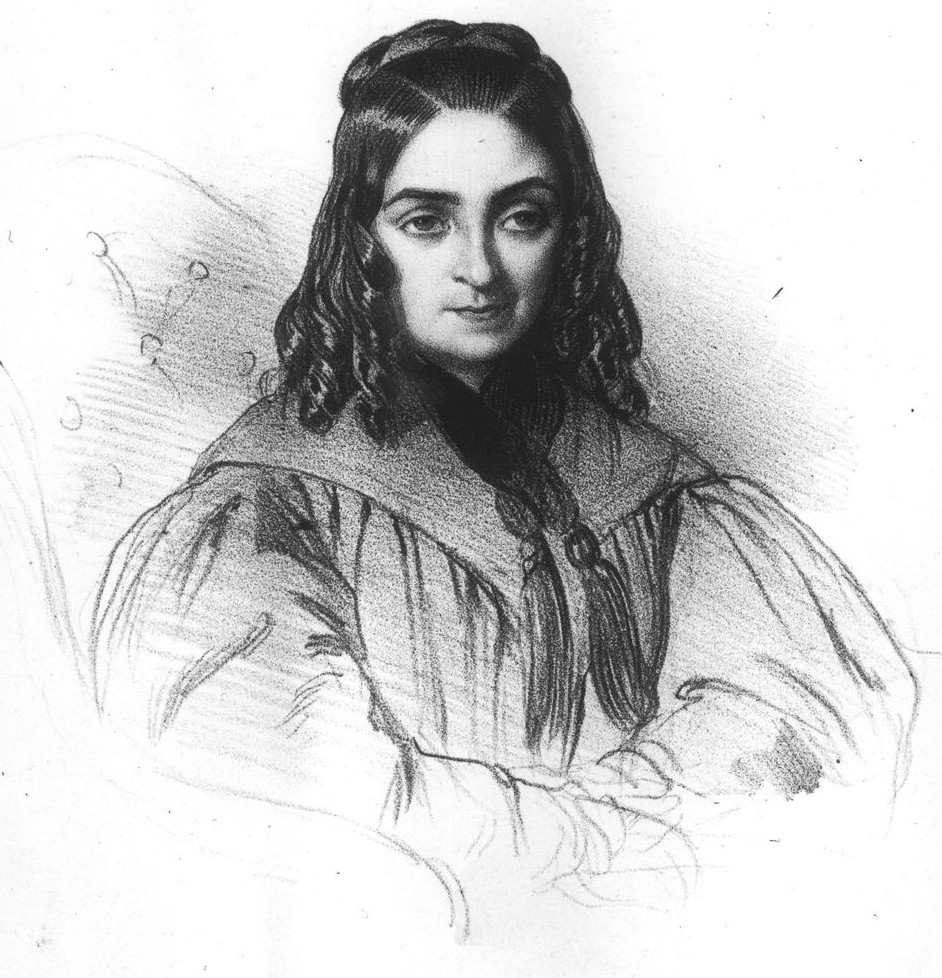
Flore Celestine Thérèse Henriette Tristán y Moscoso better known as Flora Tristan was a French-Peruvian socialist writer and activist. She made important contributions to early feminist theory, and argued that the progress of women's rights was directly related with the progress of the working class. Her theories had a trong influence on Karl Marx, Friedrich Engels and Charles Fourier. She wrote several works, the best known of which are Peregrinations of a Pariah (1838), Promenades in London (1840), and The Workers' Union (1843). Tristan was also the grandmother of the painter Paul Gauguin.