Margins
Pinter & Martin Why It Matters book cover 1
Pinter & Martin Why It Matters book cover 2
Pinter & Martin Why It Matters book cover 3
Pinter & Martin Why It Matters
Series · 13
books · 2015-2020

Books in series

Why Your Baby's Sleep Matters (Pinter & Martin Why It Matters, 1) book cover
#1

Why Your Baby's Sleep Matters (Pinter & Martin Why It Matters, 1)

2016

Research shows that normal infant sleep is not what most experts claim it to be. In fact, many of today s sleep problems with young babies and children predominantly occur in the developed world. In Why Your Baby s Sleep Matters, renowned gentle parenting expert Sarah Ockwell-Smith demonstrates how nurturing babies at night helps their brain development, and covers the topics every parent of a new baby will need to know about, including naps, SIDS, night weaning, coping with your own exhaustion and even dealing with advice and criticism from others."
Why Hypnobirthing Matters book cover
#2

Why Hypnobirthing Matters

2015

Hypnobirthing is a method of birth preparation using a series of simple but effective techniques that can facilitate a calm and natural birth. Far from being a modern fad, it is logical, rational and there is a strong evidence base for its use. Many women approach labour with fear because of the negativity surrounding birth and the assumption that it must involve excruciating pain for the mother. Fear has a physiological effect, making contractions less effective and derailing normal labour. Hypnobirthing teaches the mother to relax and believe that her body is perfectly designed to give birth; when the mother is relaxed her body can release natural painkillers that are far more effective than pharmaceutical drugs. Women using hypnobirthing report needing little or no pain relief during labour and their babies are born calm and alert. Mothers need less medical intervention, and if they do they report feeling much more able to deal with it. Calm and confident parents are empowered to make informed decisions about their care, which can contribute enormously to a positive birth experience. In Why Hypnobirthing Matters Katrina Berry looks at the origins and rationale for using hypnosis for childbirth, explains what you can expect from hypnobirthing and dispels common misunderstandings in a lively, informative way.
Why Doulas Matter book cover
#3

Why Doulas Matter

2015

Women have long known, and recent research has confirmed, that having an experienced female birth companion can have a tangible, positive effect on a woman's experience of childbirth and the outcome of her labour. In our era of modern childbirth, most births take place in busy maternity units, where although women may have access to high-quality medical care, continuous support during labour and post-natally is often absent. Parents can feel overwhelmed and emotionally unsupported, making important decisions about their care without adequate information - a scenario which can colour their whole experience of birth. In this comprehensive discussion of how a doula can offer new parents practical, emotional and informational support, Maddie McMahon also explains how and why many parents now choose to employ one.
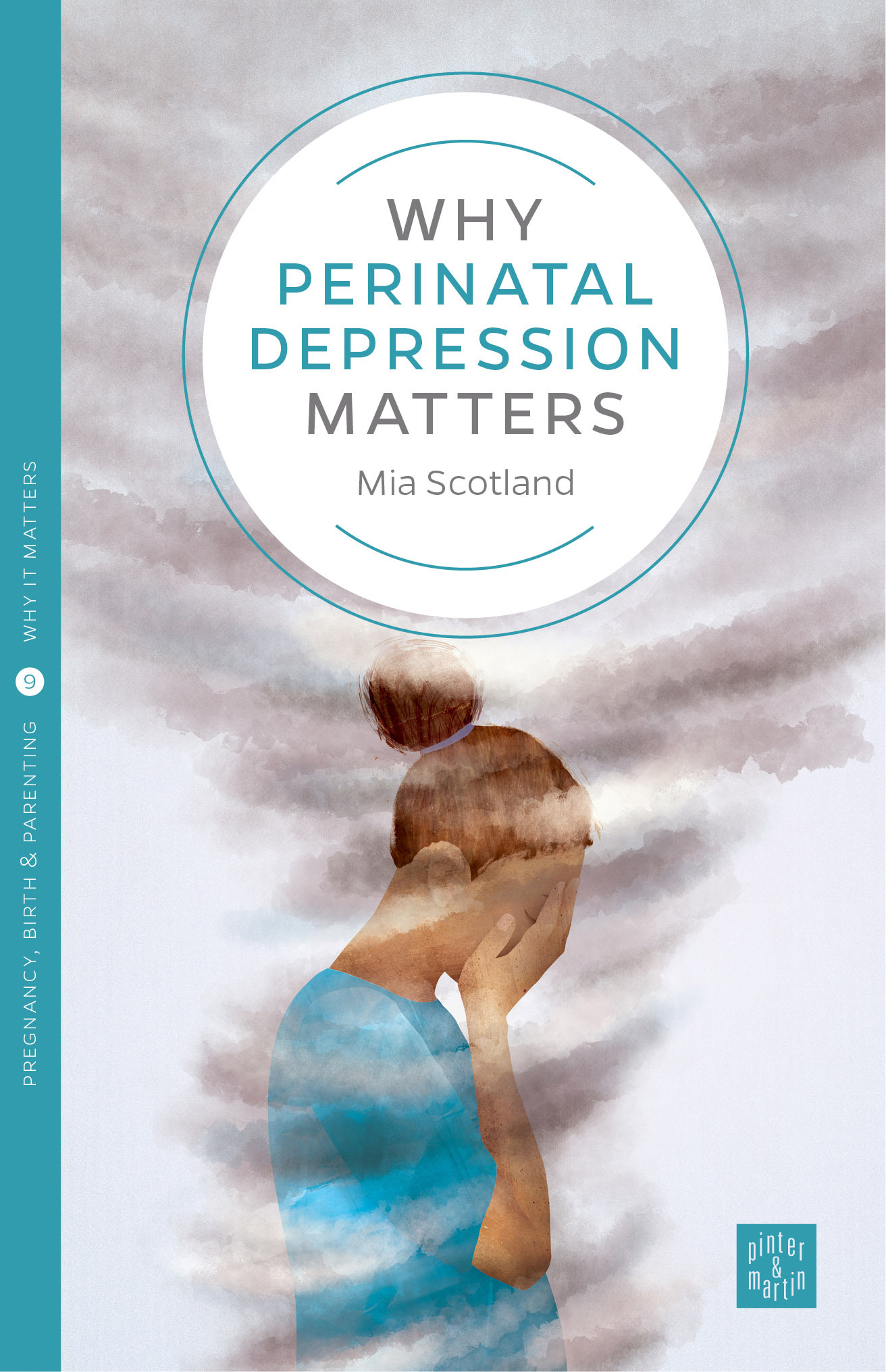
Why Perinatal Depression Matters book cover
#4

Why Perinatal Depression Matters

2015
You have probably heard of postnatal depression, but did you know that most cases of postnatal depression actually began in pregnancy? And that most people who have antenatal depression have had depression in the past? And did you know that postnatal depression is not caused by women’s hormones gone awry; men are suffering postnatal and perinatal depression in larger and larger numbers too? This is why “postnatal depression” has now been renamed “perinatal depression”(‘peri’ means around, as in the word “perimeter”). Why is the seemingly joyful event of new parenthood causing so much suffering? Depression seems to be related to the stresses that a modern couple undertakes when they have a baby. The lack of support, lack of celebration, overload of expectations, overwhelming responsibility, isolation, judgment, blaming by the media, tiredness, mixed messages, confusion, high expectations and lack of tender loving care serve to eventually break parents and their relationships. And when we break parents, we break a baby. Babies are our future, and if we break a baby, in the long run, we break society. Postnatal depression takes a high toll on society. Dealing effectively with perinatal depression is about valuing love, connection, calm and stillness, over and above productivity, achievement and acquisition.
Why Babywearing Matters (Pinter & Martin Why It Matters, 5) book cover
#5

Why Babywearing Matters (Pinter & Martin Why It Matters, 5)

2016
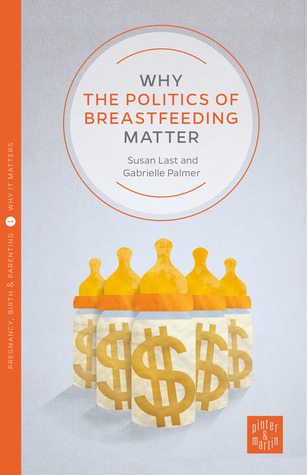
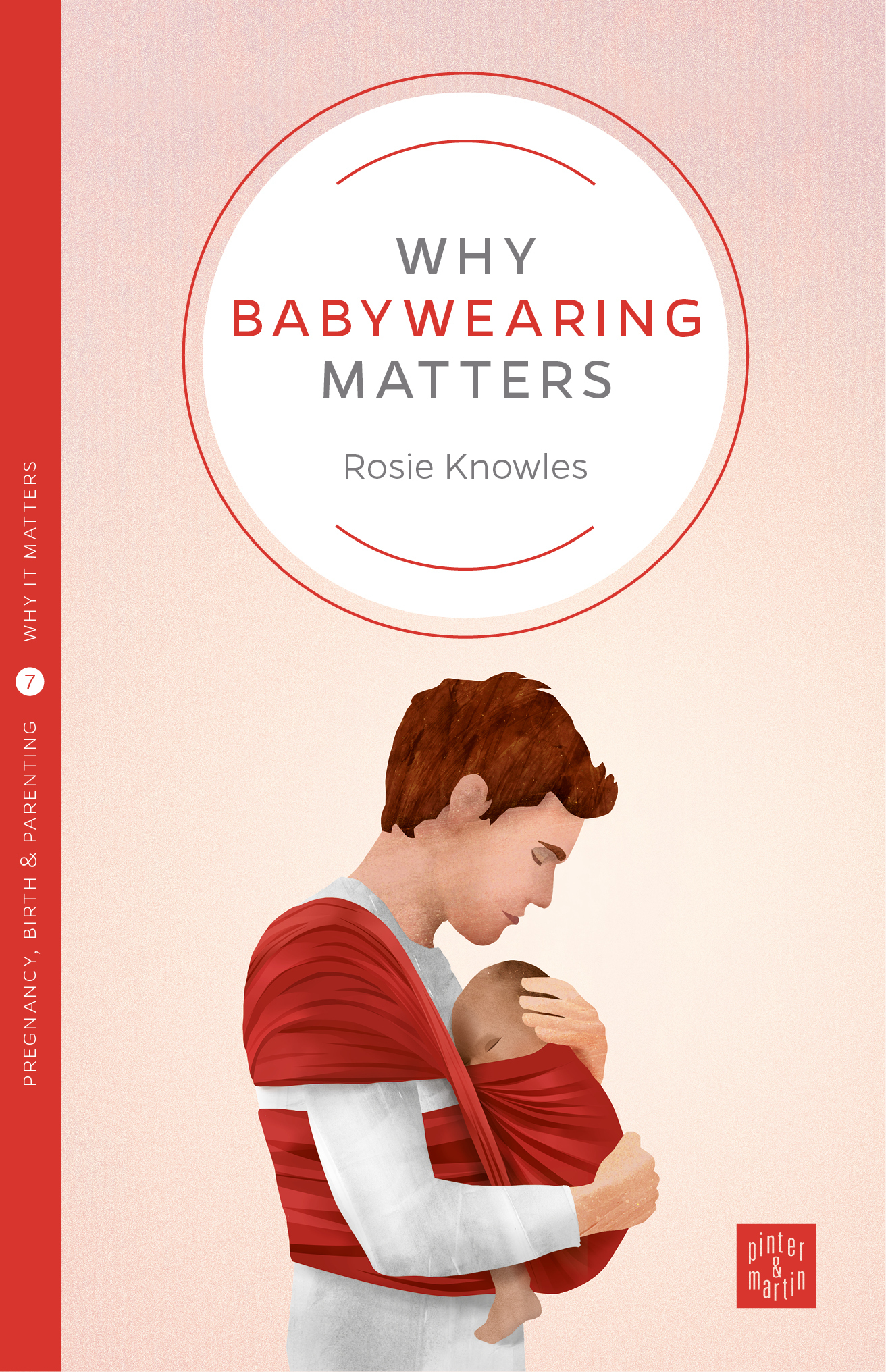
Evidence continues to increase on the practical and emotional benefits of babywearing, both to parents and their children. Among many other benefits, babywearing can help parents bond with a new baby, and facilitate both breastfeeding and the care of the baby s older siblings.Babywearing also has benefits for society at large. Children are more securely emotionally attached and there is evidence of a link between the reduced incidence of postnatal depression and babywearing. In this new book, Rosie Knowles explores all these advantages, along with the practicalities of how to babywear and babywearing culture. She demonstrates how a clearer understanding of babywearing, and the attachment parenting philosophy as a whole, can ultimately lead to a happier, healthier society."
Why the Politics of Breastfeeding Matter book cover
#6

Why the Politics of Breastfeeding Matter

2016
The Politics of Breastfeeding , first published in 1988, remains a hugely important book. It exposes infant feeding as one of the most important global public health issues of our time, and describes how big business and vested interests influence the intimate relationship between mothers and their babies to the detriment of all, rich or poor, in the West or in the developing world. In Why the Politics of Breastfeeding Matter, the central ideas of The Politics of Breastfeeding are distilled into a concise form, making it the perfect introduction to understanding the complex forces that govern what many think of as a simple choice to breastfeed or not.
Why Breastfeeding Matters (Pinter & Martin Why It Matters, 7) book cover
#7

Why Breastfeeding Matters (Pinter & Martin Why It Matters, 7)

2016

All babies need feeding and yet in modern life something so simple has become an issue fraught with difficulty for new parents. Society, politics and culture have worked together to create a situation where parents are presented with a choice breast or bottle? Such a choice implies that the product (the milk) and the method of delivery (breast or bottle) are equal, but is this true? In many countries bottle-feeding has become so common that it is never questioned, and indeed is often seen as the answer to parents problems. Not sleeping at night? Not enough milk? Mum needs medication? Reach for the formula. Every day women are told by their friends, family and even their doctors that bottle-feeding is the answer. Yet research shows that most mothers want to breastfeed, and that babies who are not breastfed are at increased risk of illness. Why Breastfeeding Matters tackles some of these issues head-on, in a frank discussion intended to help parents and others navigate the world of infant feeding. It is neither preachy nor a how-to manual; it outlines some of the reasons why breastfeeding matters, to mothers and their babies, and explains how this can affect the way in which mothers use bottles and formula if they need to. Drawing on research, and the author s experience as a lactation consultant, it is essential reading for anyone wondering about how to feed their new baby."
Why Starting Solids Matters book cover
#8

Why Starting Solids Matters

2016

How and when babies eat their first solid foods can be an exciting stage for new parents, but it can also bring confusion and anxiety due to conflicting advice and opinions. When should babies have their first sold foods? What should it be? How much? Is milk still important? Does any of this really matter? Why Starting Solids Matters aims to help readers find answers to these questions by exploring the science behind the headlines. It provides a gentle introduction to the importance of the first year and beyond for the development of long term healthy eating habits and weight with much of the information just as relevant for thinking about the diet of older children and even the rest of the family too.
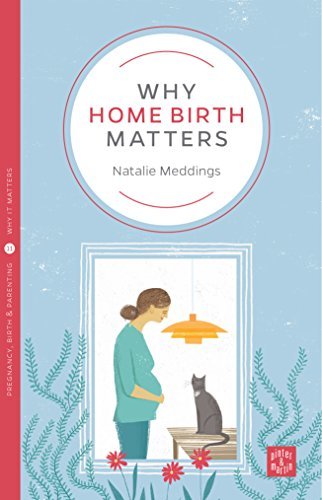
Why Home Birth Matters book cover
#11

Why Home Birth Matters

2018

In the 21st century, women are supposed to have a choice about where they give birth. But when that choice is home, women often encounter obstacles, despite robust evidence that birth at home is safe, beneficial and should be available for women who want it. Why Home Birth Matters is a clear discussion of the reality of modern home birth, which aims to show how the home environment supports and powers the birth process, while encouraging parents to consider how it might work for them.
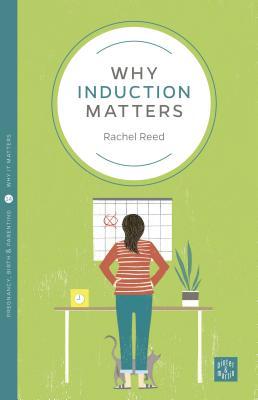
Why Induction Matters book cover
#14

Why Induction Matters

2018

In modern maternity systems one in four women have their labour induced. Why Induction Matters provides a comprehensive, evidence-based guide to this common intervention. The induction process is explained in detail, and reasons for offering induction are discussed. Options related to inducing labour or choosing to wait are explored, and women’s experiences are included throughout. The book aims to help parents make their own informed decisions about induction of labour.
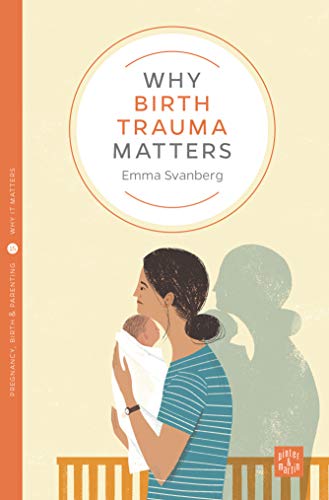
Why Birth Trauma Matters book cover
#15

Why Birth Trauma Matters

2019

When we think about trauma and PTSD we tend to think about war and conflict. But around a third of women feel some part of their birth was traumatic. This experience can impact on their mental and physical health, their relationships and future plans. In Why Birth Trauma Matters, Dr Emma Svanberg, clinical psychologist and co-founder of Make Birth Better, explores what happens to those who go through a bad birth. She explains in detail how birth trauma occurs, examines the wide-ranging impact on all of those involved in birth, and looks at treatments and techniques to aid recovery. By drawing on her own research and the work of experts in the field, and sharing the first-hand experiences of women, she shows how it is possible to begin to move on.
Why Breastfeeding Grief and Trauma Matter book cover
#17

Why Breastfeeding Grief and Trauma Matter

2019
A startlingly large number of women who want to breastfeed have to stop before they are ready, leaving them feeling a range of negative emotions, including grief, anger, guilt, shame and frustration, and often blaming themselves. But in a society that places little value on breastfeeding and mothers' feelings, their painful stories are often swept under the carpet to the detriment of women's mental health and experience of new motherhood. Professor Amy Brown has researched what breastfeeding really means to women, how they can feel when things don't go according to plan and importantly, how we can change things for the next generation of women. Her findings make fascinating reading for anyone with personal experience of breastfeeding difficulties, those who support mothers to make infant feeding decisions that are right for them, or those who simply want to be part of changing the conversation.
Why Postnatal Recovery Matters book cover
#18

Why Postnatal Recovery Matters

2020

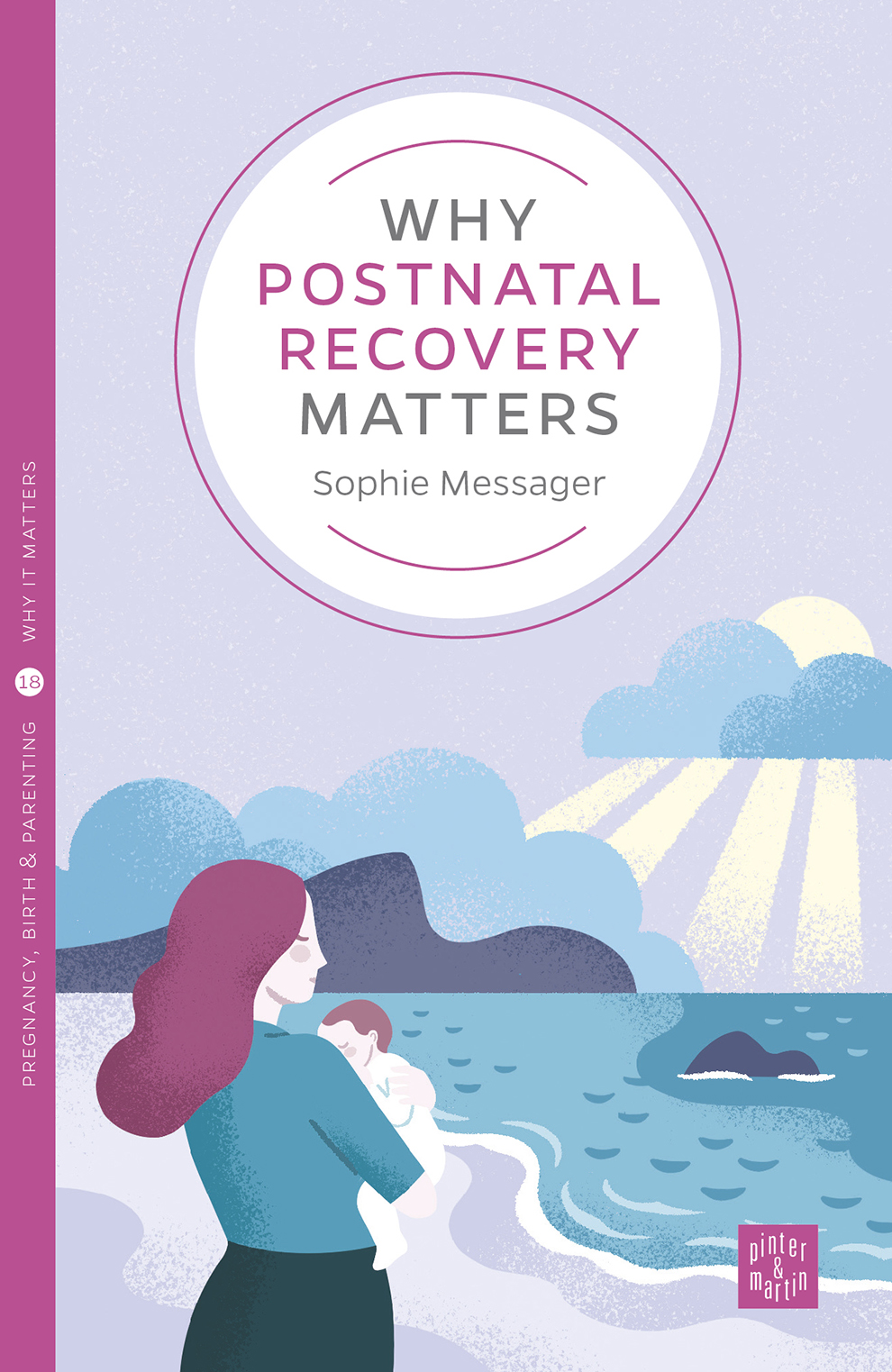
During pregnancy the focus of antenatal preparation is the birth itself, and the importance of the postnatal period is often overlooked. Yet postnatal recovery (or a lack of it) can have consequences for the long-term health and wellbeing of both mother and baby. In Why Postnatal Recovery Matters Sophie Messager draws on her experience as a scientist and doula to show that thinking ahead to after the birth can get new families off to the best possible start.

Authors

Rachel Reed
Rachel Reed
Author · 2 books
Dr Rachel Reed PhD, GradCertEd, BSc (Hons) is an author, educator and sought-after international speaker. Her focus is childbirth physiology, care provider practice and women’s rights (and rites). Rachel has published widely in books, journals, magazines and writes an award-winning blog. As a researcher, Rachel studies women’s experiences of birth and the influence of care provider interactions. Her work is cited in evidence-based guidelines and textbooks that inform clinical practice. Rachel has designed and implemented midwifery education programs and supervised research students. She also has over 20 years of midwifery experience and has attended many births in a range of settings and circumstances. Rachel is originally from the North East of England but now lives in a forest in Australia with a variety of humans and animals. Find out more at www.rachelreed.website
Sarah Ockwell-Smith
Sarah Ockwell-Smith
Author · 18 books

Born in Bedfordshire, England in 1976, Sarah Ockwell-Smith is a mother of four school aged children, three boys and one girl. After graduating with an honors degree in Psychology, specialising in child development, she embarked on a five year career in Pharmaceutical Research and Development, working with clinical trial data, until she became pregnant with her first child in 2001. After the birth of her firstborn Sarah retrained as an Antenatal Teacher, hypnotherapist/Psychotherapist, Infant Massage Instructor and Birth and Postnatal Doula. Over the years Sarah has updated her knowledge with various study days and courses including paediatric first aid, paediatric safeguarding, perinatal psychology and birth trauma. Sarah now works as a parenting author, writer and coach. With a particular interest in child sleep.

Gabrielle Palmer
Author · 3 books

Gabrielle Palmer is a nutritionist and a campaigner. She was a breastfeeding counsellor in the 1970s and helped establish the UK pressure group Baby Milk Action. In the early 1980s she lived and worked as a volunteer in Mozambique. She has written, taught and campaigned on infant feeding issues, particularly the unethical marketing of baby foods. In the 1990s she co-directed the International Breastfeeding: Practice and Policy course at The Institute of Child Health in London until she went to live in China for two years. She has worked independently for various health and development agencies, including serving as HIV and Infant Feeding Officer for UNICEF New York. She recently worked at The London School of Hygiene and Tropical Medicine where she had originally studied nutrition. She is a mother and a grandmother.


Mia Scotland
Mia Scotland
Author · 1 book
Mia Scotland is a Perinatal Clinical Psychologist and birth doula, working in private practice in the East Midlands, UK. She has been helping mothers deal with birth trauma, perinatal depression and anxiety for more than 20 years. Her particular passion is for the psychology of birth and motherhood, from a biopsychosocial perspective. As well as running her private practice, she teaches birth professionals about the psychology of birth internationally. She has three children, and lives in Melton Mowbray, UK.
Sophie Messager
Sophie Messager
Author · 1 book

Sophie Messager bridges worlds that rarely meet. A former reproductive physiologist with a PhD, she traded her microscope for a medicine drum after experiencing the transformative power of an empowered birth. Her decade-long journey as a doula, birth educator, and author of Why Postnatal Recovery Matters deepened her exploration of the rhythms surrounding women’s transitions. Now a holistic life transition mentor, Sophie guides women through significant life thresholds – from birth to perimenopause and beyond. Her unique combination of scientific expertise and spiritual insight allows her to serve as a compassionate space holder for those seeking to harmonise their analytical and intuitive selves, and reconnect with their inner wild woman. Visit Sophie's website at www.sophiemessager.com Follow Sophie on Facebook https://www.facebook.com/Sophie-Messa... on Instagram https://www.instagram.com/sophie_mess...


548 Market St PMB 65688, San Francisco California 94104-5401 USA
© 2026 Paratext Inc. All rights reserved