Margins




548 Market St PMB 65688, San Francisco California 94104-5401 USA
© 2026 Paratext Inc. All rights reserved
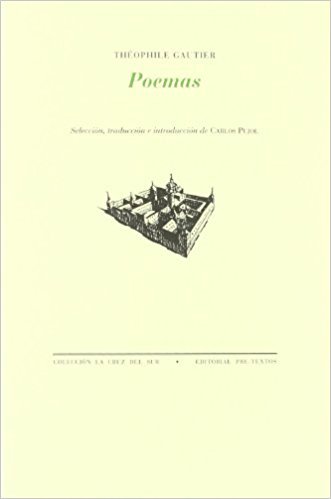
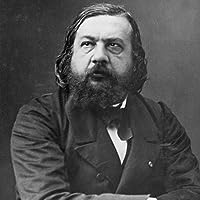
De todos los románticos franceses Gautier ha sido el peor tratado por la posteridad, sobre todo en su país. Su íntimo amigo Nerval tuvo la predilección del siglo XX, con esos entusiasmos desbordantes que suele provocar lo ininteligible; otros, como Lamartine y Musset, conocieron largos años de gloria popular, luego oscurecida, y Victor Hugo es un caso excepcional, de teratología literaria, ineludible, pero con el que nadie sabe muy bien qué hacer. A Gautier se le asigna el desairado papel de segundón, de versificador brillante y ornamental; eso sí, aunque no despierta fervores, los manuales de literatura le describen como la puerta de salida del romanticismo; él, que estuvo en las primeras batallas románticas, es también el que anuncia su desenlace, camino ya del Parnaso y de los simbolistas. Algo así como una pieza histórica, un poeta de poetas (aunque Mallarmé, admirador suyo, también en cierto modo lo fue). Y sin embargo, ahí está el clamoroso elogio de Baudelaire en la dedicatoria de Las flores del mal: «Al poeta impecable, al perfecto mago de las letras francesas, a mi queridísimo y veneradísimo maestro y amigo…». Como se ve, no se escatimaron alabanzas superlativas. Y en la literatura anglosajona—desde Swinburne y Henry James a T. S. Eliot, pasando por Ezra Pound—, sin olvidar una inesperada ramificación que pasa por los poetas acmeístas rusos, su nombre es una contraseña de modernidad.