Margins




548 Market St PMB 65688, San Francisco California 94104-5401 USA
© 2026 Paratext Inc. All rights reserved
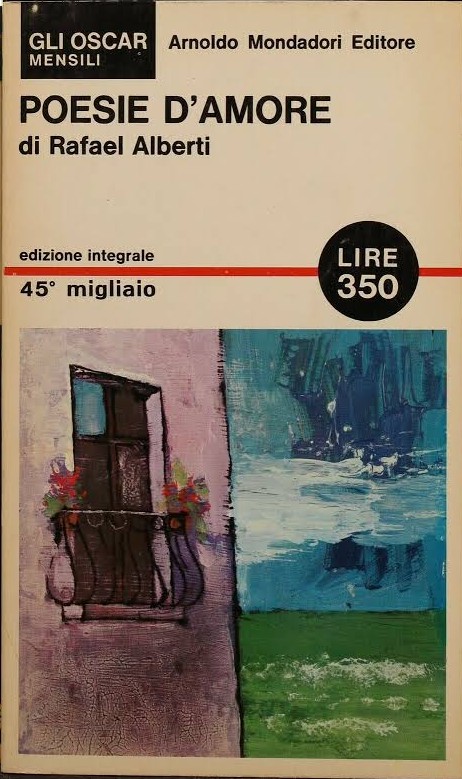
Ha scritto Antonio "García Lorca era uno dei due grandi giovani poeti andalusi. L'altro è Rafael Alberti. I due, a mio giudizio, si completano come espressione di due aspetti della patria quello orientale e quello atlantico. Lorca, piú legato al folklore e alla terra, era essenzialmente e genuinamente granadino. Alberti, figlio di un "finis terrae", la pianura graditana, dove il paesaggio si cancella e si accentua il profilo umano su uno sfondo di mare e di saline, è poeta piú universale, però, a modo suo, non meno andaluso". Dal surrealismo notturno di "Sugli angeli" ai versi andalusi di "Marinaio a terra", da "Fra spada e garofano" a "Ritorni della vita lontana", lungo tutto l'arco di una esistenza dedicata alla poesia e all'impegno civile, Alberti testimonia la sua concezione universale dell'amore. Rafael Alberti è nato in Spagna, a Puerto de Santa Maria, nel 1902. Impegnato nella difesa della Repubblica è stato esule in Francia e nel Sud America. Dal 1963 vive a Roma. Tra le sue opere ricordiamo "Sugli angeli", "L'amante", "Calce e Canto". Nel 1965 ha ottenuto il Premio Lenin per la pace.