Margins
Margins
Sign in
Margins
Subscribe to our newsletter
548 Market St PMB 65688, San Francisco California 94104-5401 USA
hello@margins.app
·
+1 (650) 223-5283
Privacy Policy
·
Terms of Use
© 2026 Paratext Inc. All rights reserved
✒️ Poetry
✒️
Poetry
Call Us What We Carry
2021
Amanda Gorman
Formerly titled The Hill We Climb and Other Poems, Amanda Gorman’s remarkable new collection reveals an energizing and unforgettable voice in American poetry. Call Us What We Carry is Gorman at her finest. Including “The Hill We Climb,” the stirring poem read at the inauguration of the 46th President of the United States, Joe Biden, and bursting with musical language and exploring themes of identity, grief, and memory, this lyric of hope and healing captures an important moment in our country’s consciousness while being utterly timeless. The breakout poetry collection by #1 New York Times bestselling author and presidential inaugural poet Amanda Gorman.
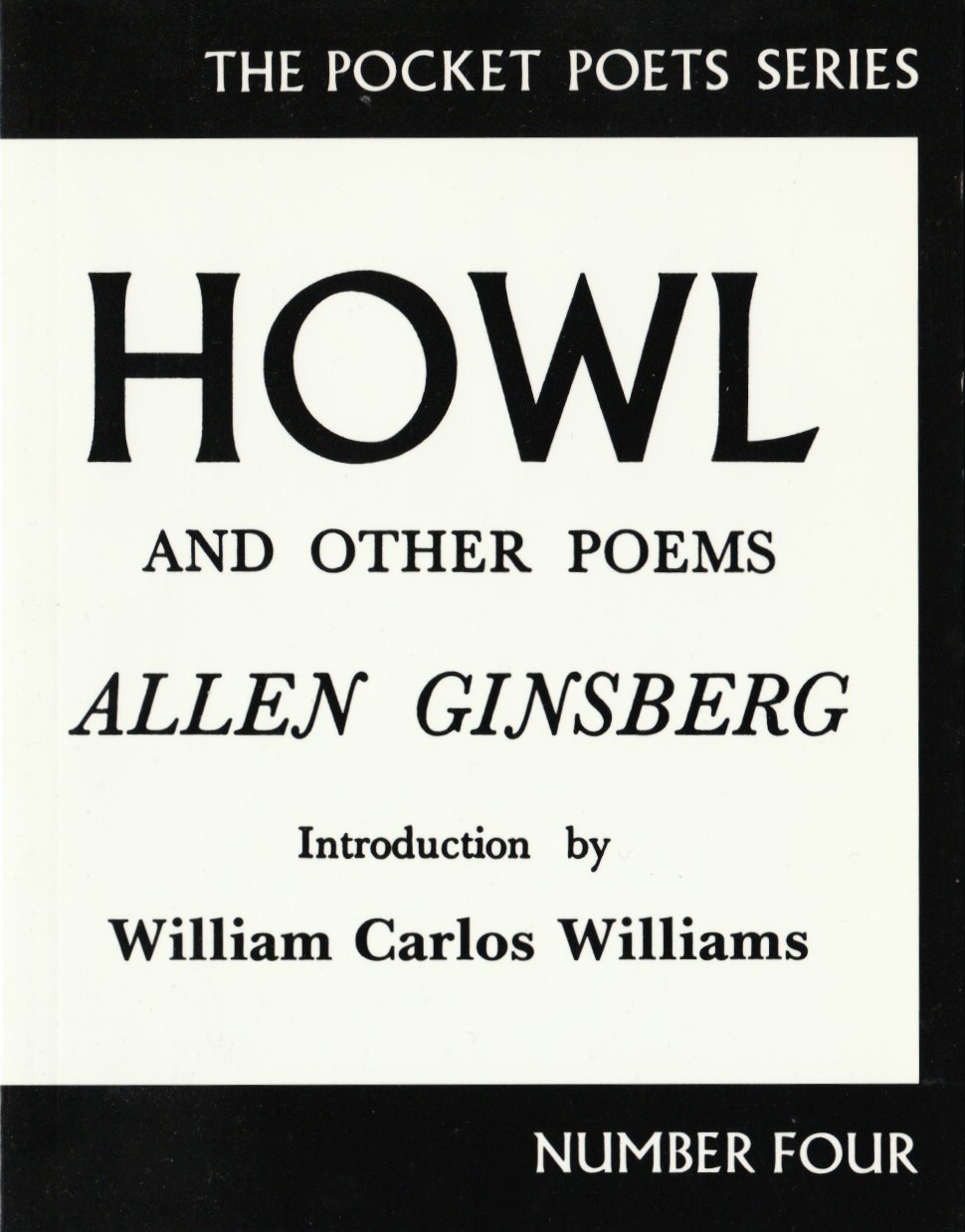
Howl and Other Poems
1956
Allen Ginsberg
A beat movement icon and visionary poet, Allen Ginsberg broke boundaries with his fearless, pyrotechnic verse. The apocalyptic "Howl" became the subject of an obscenity trial when it was first published in 1956 — its vindication was a watershed moment in twentieth-century history. Dark, ecstatic and rhapsodic, "Howl" shows why Ginsberg was one of the most influential poets of the twentieth century. Howl and Other Poems is a collection of Ginsberg's finest work, including "Howl," one of the principal works of the Beat Generation as well as "A Supermarket in California," "Transcription of Organ Music," "Sunflower Sutra," "America," "In the Baggage Room at Greyhound," and some of his earlier works.
The Mourning Bride
2008
William Congreve
William Congreve (1670-1729) was an English playwright and poet. He wrote some of the most popular English plays of the Restoration period of the late 17th century. By the age of thirty, he had written four comedies, including Love for Love (premiered 1695) and The Way of the World (premiered 1700), and one tragedy, The Mourning Bride (1697). After writing five plays from his first in 1693 until 1700, he produced no more as public tastes turned against the sort of highbrow sexual comedy of manners in which he specialized. He withdrew from the theatre and lived the rest of his life on residuals from his early work. His output from 1700 was restricted to the occasional poem and some translation (notably Molière’s Monsieur de Pourceaugnac). Other works include The Double- Dealer and Incognita; or, Love and Duty Reconcil’d.
Haiku, Volume 2
Spring
R.H. Blyth
Vintage and collectable.