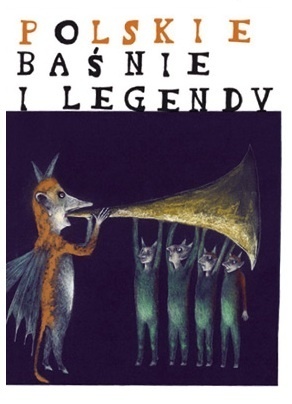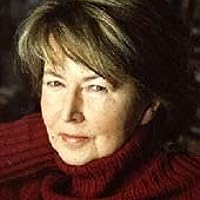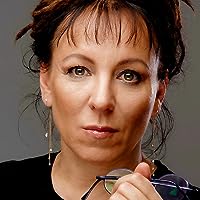



Nowy, pierwszy od wielu lat w pełni autorski wybór polskich baśni. Łączy klasykę ze współczesnością, wiek XIX z XXI. Zawiera teksty autorów, na których wychowały się całe pokolenia polskich dzieci (np. J.I. Kraszewski, M. Konopnicka, Or-Ot), lecz także utwory znanych pisarzy, których mało kto podejrzewałby o twórczość dla najmłodszych (S. Dygat, O. Tokarczuk), jak również dzieła na nowo odkryte dla czytelnika (H. Zdzitowiecka). Przepiękna oprawa graficzna i ilustracje potęgują nastrój książki - poetycki, pełen tajemniczości i magii. Większość znawców przy pierwszym kontakcie z "Polskimi baśniami i legendami" zgodnie przyznawała, że od 20 lat nie było w Polsce równie pięknie wydanej publikacji.
Authors

poet, playwright, critic and translator In 1921-22 he was rector of Lwów University. In the last twenty years of his life, Kasprowicz more and more frequently visited the Tatra Mountains. In 1923 he permanently settled in the villa, "Harenda", between Poronin and Zakopane, where he died on August 1, 1926.

Alternative names: Marya Konopnicka Jan Sawa (Pen Name)


Born Augustyn Morcinek, he was a Polish writer, educator and later member of Sejm from 1952 to 1957. He is considered one of the most important writers from Silesia. Wikipedia info: Gustaw Morcinek
Maria Krüger to pisarka literatury dziecięcej oraz dziennikarka. Ukończyła Wydział Humanistyczny Uniwersytetu Warszawskiego oraz Akademię Nauk Politycznych w Warszawie. Z zawodu była ekonomistką. Debiutowała w 1928 w "Płomyczku". Pisała również do takich czasopism dla dzieci i młodzieży, jak: "Świerszczyk", "Płomyk" oraz "Dziatwa", "Słonko" i "Poranek" (czasopisma przedwojenne). Podczas okupacji współdziałała z grupą "Epoka". Uczestniczyła w Powstaniu Warszawskim. Wymyśliła znaną telewizyjną audycję "Miś z okienka", do której długo pisała teksty. Jej najbardziej znane książki to "Karolcia" (1959), przetłumaczona na kilka języków oraz "Godzina pąsowej róży" (1960).

Joanna Papuzińska, właśc. Papuzińska-Beksiak – prozaik, poetka, autorka bajek i wierszy dla dzieci, profesor nauk humanistycznych. Debiutowała w 1956 na łamach "Świata młodych" opowiadaniem "Człowiek o gorącym sercu". Jest autorką wielu popularnych książek i wierszy dla dzieci, m.in. "Nasza mama czarodziejka", "Rokiś" czy "Czarna jama". Jej mężem jest Janusz Beksiak. wikipedia.pl
Adolf Dygasiński – polski powieściopisarz, publicysta, pedagog, encyklopedysta, jeden z głównych przedstawicieli naturalizmu w literaturze polskiej. Adolf Dygasiński was a Polish novelist, publicist and educator. In Polish literature, he was one of the leading representatives of Naturalism.


Józef Ignacy Kraszewski was a Polish writer, historian and journalist who produced more than 200 novels and 150 novellas, short stories, and art reviews (including painters, e.g., Michał Kulesza). He is best known for his epic series on the history of Poland, comprising twenty-nine novels in seventy-nine parts. As a novelist writing about Polish history, Kraszewski is generally regarded as second only to Henryk Sienkiewicz.

Kornel Makuszyński (Stryj, now in Ukraine, 8 January 1884 — 31 July 1953, Zakopane) was a Polish writer of children's and youth literature. Makuszyński attended school in Lviv (Polish: Lwów) and wrote his first poems at the age of 14. These were published two years later in the newspaper Słowo Polskie, in which he soon became a theatre critic. He studied language and literature at both the University of Lviv (then Jan Kazimierz University in Lwów, Poland) and in Paris. He was evacuated to Kiev in 1915, where he ran the Polish Theatre and was the chairman of the Polish writers and journalist community. He moved to Warsaw in 1918, and became a writer. He was buried at the Peksowe Brzysko cemetery in Zakopane, where he lived from 1945. There is a museum dedicated to him there. His children's books have an enduring popularity in Poland, whatever the sharp changes in the country's fortunes and its political system. They have been translated to many other languages. Among others, they are very popular in Israel, where Polish Jewish immigrants since the 1920s and 1930's took care to have many of them translated to Hebrew and introduced them to their own children.


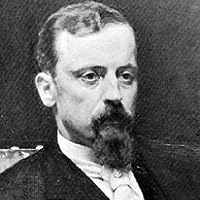
Henryk Adam Aleksander Pius Sienkiewicz (also known as "Litwos"; May 5, 1846–November 15, 1916) was a Polish journalist and Nobel Prize-winning novelist. He was one of the most popular Polish writers at the turn of the 19th and 20th centuries, and received the Nobel Prize in Literature in 1905 for his "outstanding merits as an epic writer." Born into an impoverished gentry family in the Podlasie village of Wola Okrzejska, in Russian-ruled Poland, Sienkiewicz wrote historical novels set during the Rzeczpospolita (Polish Republic, or Commonwealth). His works were noted for their negative portrayal of the Teutonic Order in The Teutonic Knights (Krzyżacy), which was remarkable as a significant portion of his readership lived under German rule. Many of his novels were first serialized in newspapers, and even today are still in print. In Poland, he is best known for his historical novels "With Fire and Sword", "The Deluge", and "Fire in the Steppe" (The Trilogy) set during the 17th-century Polish-Lithuanian Commonwealth, while internationally he is best known for Quo Vadis, set in Nero's Rome. Quo Vadis has been filmed several times, most notably the 1951 version. Sienkiewicz was meticulous in attempting to recreate the authenticity of historical language. In his Trilogy, for instance, he had his characters use the Polish language as he imagined it was spoken in the seventeenth century (in reality it was far more similar to 19th-century Polish than he imagined). In The Teutonic Knights, which relates to the Battle of Grunwald in 1410, he even had his characters speak a variety of medieval Polish which he recreated in part from archaic expressions then still common among the highlanders of Podhale. In 1881, Sienkiewicz married Maria Szetkiewicz (1854-1885). They had two children, Henryk Józef (1882-1959) and Jadwiga Maria (1883–1969).