


Margins
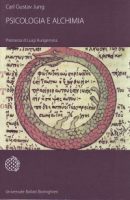
Psicologia e alchimia book cover
Psicologia e alchimia
2006
First Published
4.06
Average Rating
271
Number of Pages

Verso la fine degli anni venti Jung scopre singolari affinita tra antichi simboli cinesi e i sogni dei suoi pazienti: comincia cosi a studiare i testi degli alchimisti. Dopo quindici anni di lavoro pubblica questo volume, che rimane fra i suoi testi più affascinanti. La tradizione alchimistica e la pratica analitica hanno in comune il tentativo di creare una realtà nuova e superiore: da una parte l’oro, la pietra filosofale, dall’altra la “presa di coscienza” della psicologia moderna. L’alchimia e espressione di una pulsione a trasformare la materia prima dell’esperienza in conoscenza: vuole portare alla luce il lato divino che dorme nell’oscurita degli istinti, ed e quindi una psicologia che non dice il suo nome, qualcosa di affine alla moderna psicoterapia. Jung allarga la sua indagine alla saggezza orientale e a esperienze culturali che, pur appartenendo a epoche e a luoghi lontanissimi, hanno una radice comune, mostrando come le scoperte scientifiche possano essere in realta il ritrovamento di antichissime e universali esperienze che, appunto per questo, egli definisce "archetipiche".
Avg Rating
4.06
Number of Ratings
62
5 STARS
47%
4 STARS
27%
3 STARS
15%
2 STARS
8%
1 STARS
3%
goodreads

Author

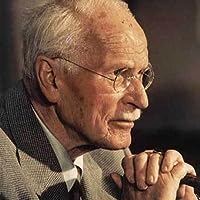
Carl Jung
Carl Jung
Author · 114 books

Carl Gustav Jung (/jʊŋ/; German: [ˈkarl ˈɡʊstaf jʊŋ]), often referred to as C. G. Jung, was a Swiss psychiatrist and psychotherapist who founded analytical psychology. Jung proposed and developed the concepts of extraversion and introversion; archetypes, and the collective unconscious. His work has been influential in psychiatry and in the study of religion, philosophy, archeology, anthropology, literature, and related fields. He was a prolific writer, many of whose works were not published until after his death. The central concept of analytical psychology is individuation—the psychological process of integrating the opposites, including the conscious with the unconscious, while still maintaining their relative autonomy. Jung considered individuation to be the central process of human development. Jung created some of the best known psychological concepts, including the archetype, the collective unconscious, the complex, and synchronicity. The Myers-Briggs Type Indicator (MBTI), a popular psychometric instrument, has been developed from Jung's theory of psychological types. Though he was a practising clinician and considered himself to be a scientist, much of his life's work was spent exploring tangential areas such as Eastern and Western philosophy, alchemy, astrology, and sociology, as well as literature and the arts. Jung's interest in philosophy and the occult led many to view him as a mystic, although his ambition was to be seen as a man of science. His influence on popular psychology, the "psychologization of religion", spirituality and the New Age movement has been immense.

548 Market St PMB 65688, San Francisco California 94104-5401 USA
© 2025 Paratext Inc. All rights reserved