Margins




548 Market St PMB 65688, San Francisco California 94104-5401 USA
© 2026 Paratext Inc. All rights reserved
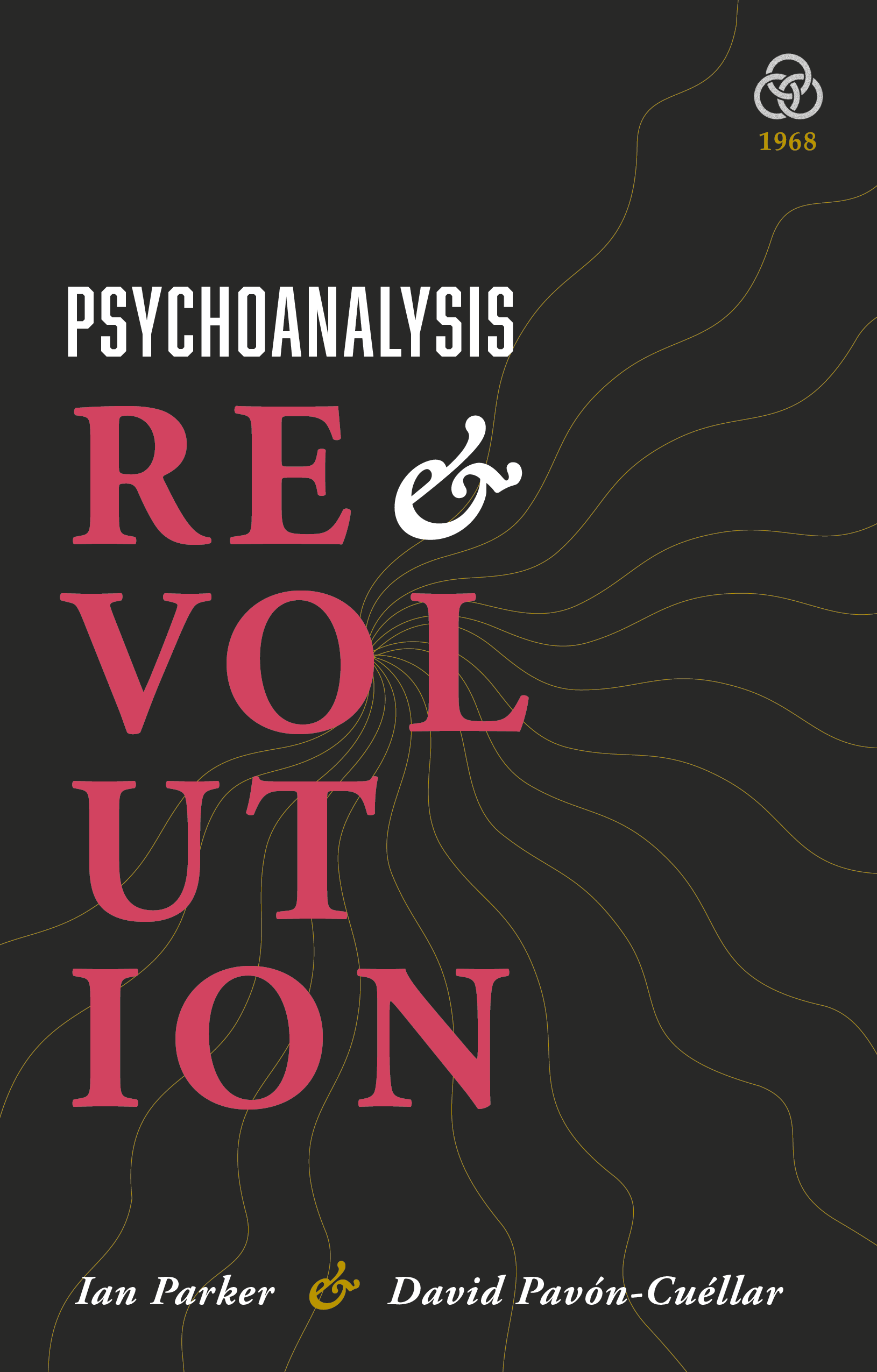
What is revolutionary about psychoanalysis, and why should those of us concerned with political praxis take it seriously? This manifesto is an argument for connecting social transformation with personal liberation, showing that the two aspects of profound change can be intimately linked together using psychoanalysis. The manifesto explores what lies beyond us, what we keep repeating, what pushes and pulls us to stay the same and to change, and how those phenomena are transferred into clinical space. This book is not uncritical of psychoanalysis, and transforms it so that liberation movements can transform the world. ‘There are always complex and inevitable ties between the personal and the political, but to understand them fully we need to grasp the radical potential of psychoanalysis, despite its uses being constantly tamed and domesticated. If you want to know how to make and to keep psychoanalysis revolutionary, read this Manifesto. It will inspire you.’ — Lynne Segal, author of Radical Happiness: Moments of Collective Joy