Margins
Margins
Sign in
Margins
Subscribe to our newsletter
548 Market St PMB 65688, San Francisco California 94104-5401 USA
hello@margins.app
·
+1 (650) 223-5283
Privacy Policy
·
Terms of Use
© 2026 Paratext Inc. All rights reserved
📚 Quiero Releer
📚
Quiero Releer
Time for Outrage
Indignez-vous!
Stephane Hessel
This controversial, impassioned call-to-arms for a return to the ideals that fueled the French Resistance has sold millions of copies worldwide since its publication in France in October 2010. Rejecting the dictatorship of world financial markets and defending the social values of modern democracy, 93-old Stéphane Hessel—Resistance leader, concentration camp survivor, and former UN speechwriter—reminds us that life and liberty must still be fought for, and urges us to reclaim those essential rights we have permitted our governments to erode since the end of World War II.
Ariel
1965
Sylvia Plath
Sylvia Plath's celebrated collection. When Sylvia Plath died, she not only left behind a prolific life but also her unpublished literary masterpiece, Ariel. Her husband, Ted Hughes, brought the collection to life in 1966, and its publication garnered worldwide acclaim. This collection showcases the beloved poet’s brilliant, provoking, and always moving poems, including "Ariel" and once again shows why readers have fallen in love with her work throughout the generations.
Orlando
1928
弗吉尼亚·伍尔夫
Virginia Woolf's Orlando 'The longest and most charming love letter in literature', playfully constructs the figure of Orlando as the fictional embodiment of Woolf's close friend and lover, Vita Sackville-West. Spanning three centuries, the novel opens as Orlando, a young nobleman in Elizabeth's England, awaits a visit from the Queen and traces his experience with first love as England under James I lies locked in the embrace of the Great Frost. At the midpoint of the novel, Orlando, now an ambassador in Constantinople, awakes to find that he is now a woman, and the novel indulges in farce and irony to consider the roles of women in the 18th and 19th centuries. As the novel ends in 1928, a year consonant with full suffrage for women. Orlando, now a wife and mother, stands poised at the brink of a future that holds new hope and promise for women.
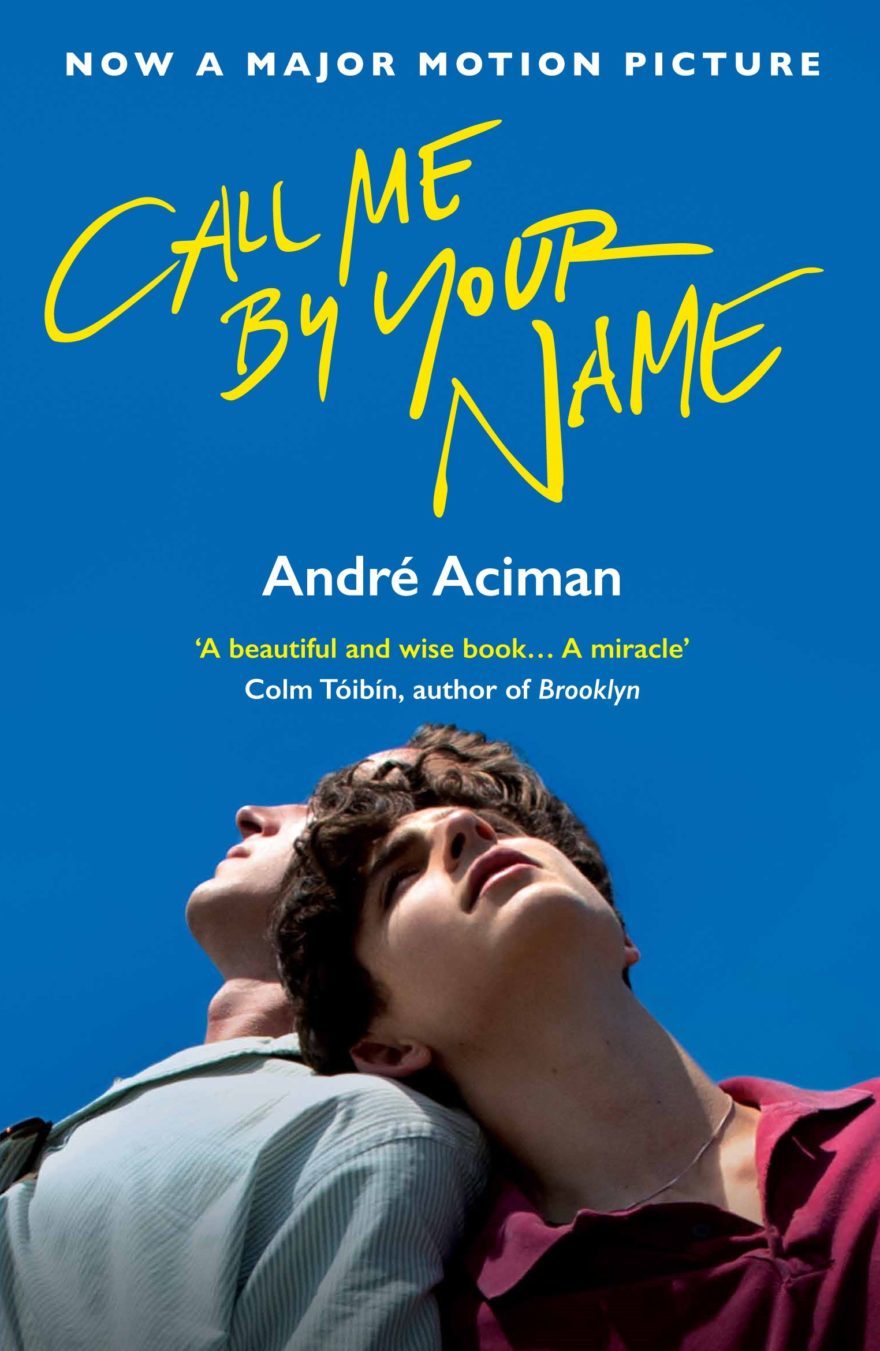
Call Me By Your Name
2007
Andre Aciman
Call Me by Your Name is the story of a sudden and powerful romance that blossoms between an adolescent boy and a summer guest at his parents' cliff-side mansion on the Italian Riviera. Unprepared for the consequences of their attraction, at first each feigns indifference. But during the restless summer weeks that follow, unrelenting buried currents of obsession and fear, fascination and desire, intensify their passion as they test the charged ground between them. What grows from the depths of their spirits is a romance of scarcely six weeks' duration and an experience that marks them for a lifetime. For what the two discover on the Riviera and during a sultry evening in Rome is the one thing both already fear they may never truly find again: total intimacy. The psychological maneuvers that accompany attraction have seldom been more shrewdly captured than in André Aciman's frank, unsentimental, heartrending elegy to human passion. Call Me by Your Name is clear-eyed, bare-knuckled, and ultimately unforgettable.