



Rameau’s Nephew is a fictional conversation written by Denis Diderot, one of the key figures of the French Enlightenment. Composed over many years and exploding onto the French literary scene when it was first released, in form and content it is unique in French literature. In a famous Parisian chess café, a down-and-out (“HIM”) accosts a former acquaintance (“ME”) who has more or less made good. They trade stories and satirise the society in which they move, one of extreme inequality, corruption, and envy, where mediocrity is allowed to flourish. They gossip about the circle of hangers-on in which the down-and-out abides and discuss the nature of genius, good and evil, chess, music, and art. And towards half past five, when the warning bell of the Opera sounds, they part, going their separate ways. The book fascinated Goethe, Hegel, Engels, and Freud in turn, achieving a literary-philosophical status that no other work by Diderot shares. This edition offers a brand new translation of Diderot’s famous dialogue.
Author

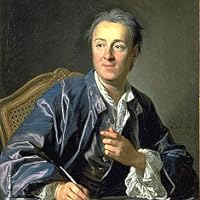
Work on the Encyclopédie (1751-1772), supreme accomplishment of French philosopher and writer Denis Diderot, epitomized the spirit of thought of Enlightenment; he also wrote novels, plays, critical essays, and brilliant letters to a wide circle of friends and colleagues. Jean le Rond d'Alembert contributed. This artistic prominent persona served as best known co-founder, chief editor, and contributor. He also contributed notably to literature with Jacques le fataliste et son maître (Jacques the Fatalist and his Master), which emulated Laurence Sterne in challenging conventions regarding structure and content, while also examining ideas about free will. Diderot also authored of the known dialogue, Le Neveu de Rameau (Rameau's Nephew), basis of many articles and sermons about consumer desire. His articles included many topics. Diderot speculated on free will, held a completely materialistic view of the universe, and suggested that heredity determines all human behavior. He therefore warned his fellows against an overemphasis on mathematics and against the blind optimism that sees in the growth of physical knowledge an automatic social and human progress. He rejected the idea of progress. His opinion doomed the aim of progressing through technology to fail. He founded on experiment and the study of probabilities. He wrote several articles and supplements concerning gambling, mortality rates, and inoculation against smallpox. He discreetly but firmly refuted technical errors and personal positions of d'Alembert on probability.