Margins
Margins
Sign in
Margins
Subscribe to our newsletter
548 Market St PMB 65688, San Francisco California 94104-5401 USA
hello@margins.app
·
+1 (650) 223-5283
Privacy Policy
·
Terms of Use
© 2026 Paratext Inc. All rights reserved
📚 Re Read
📚
Re Read
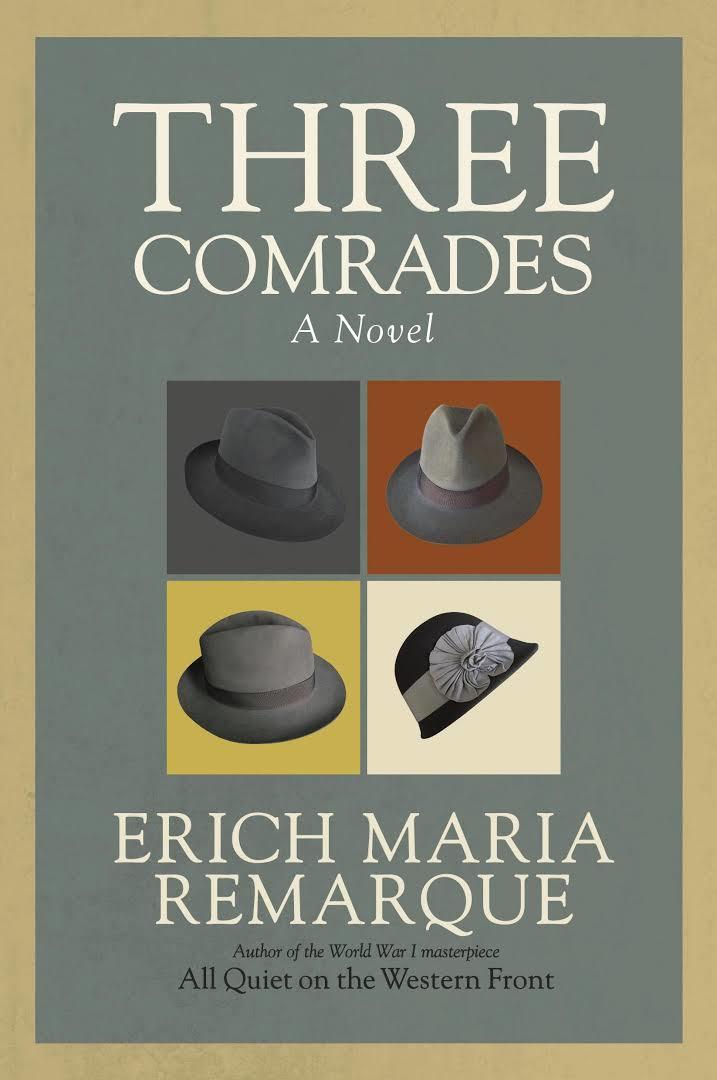
Three Comrades
1936
Erich Maria Remarque
The year is 1928. On the outskirts of a large German city, three young men are earning a thin and precarious living. Fully armed young storm troopers swagger in the streets. Restlessness, poverty, and violence are everywhere. For these three, friendship is the only refuge from the chaos around them. Then the youngest of them falls in love, and brings into the group a young woman who will become a comrade as well, as they are all tested in ways they can never have imagined... Written with the same overwhelming simplicity and directness that made All Quiet on the Western Front a classic, Three Comrades portrays the greatness of the human spirit, manifested through characters who must find the inner resources to live in a world they did not make, but must endure.
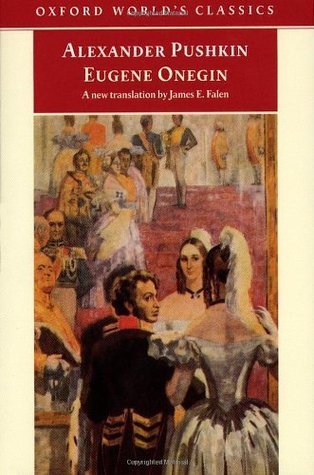
Eugene Onegin
1825
Alexander Pushkin
Eugene Onegin is the master work of the poet whom Russians regard as the fountainhead of their literature. Set in 1820s Russia, Pushkin's verse novel follows the fates of three men and three women. Engaging, full of suspense, and varied in tone, it also portrays a large cast of other characters and offers the reader many literary, philosophical, and autobiographical digressions, often in a highly satirical vein. Eugene Onegin was Pushkin's own favourite work, and this new translation conveys the literal sense and the poetic music of the original.
The Captain's Daughter
1836
Alexander Pushkin
Pushkin's version of the historical novel in the style of Walter Scott, this final prose work also reflects his fascination with and research into Russian history of the 18th century. During the reign of Catherine the Great, the young Grinev sets out for his new career in the army and en route performs an act of kindness by giving his warm coat to a man freezing in a blizzard. This action reaps its reward when he subsequently finds himself caught up in the rebellion headed by the infamous, and strangely familiar, Pugachev. Rivalry with a fellow officer for the affections of Captain Mironov's daughter further complicates Grinev's affairs, and ultimately it is only an appeal by Masha Mironova, the eponymous captain's daughter, to the Empress herself that can unravel a tangled web.
Dead Souls
1842
Nikolai Gogol
Dead Souls is eloquent on some occasions, lyrical on others, and pious and reverent elsewhere. Nicolai Gogol was a master of the spoof. The American students of today are not the only readers who have been confused by him. Russian literary history records more divergent interpretations of Gogol than perhaps of any other classic. In a new translation of the comic classic of Russian literature, Chichikov, an enigmatic stranger and conniving schemer, buys deceased serfs' names from their landlords' poll tax lists hoping to mortgage them for profit and to reinvent himself as a likeable gentleman.
Woe from Wit
A Verse Comedy in Four Acts
Alexander Griboyedov
Woe from Wit is a satire ruthlessly exposing Russian aristocratic society with its hypocrisy and mercantilism.
Oblomov
1859
Ivan Goncharov
Even though Ivan Goncharov wrote several books that were widely read and discussed during his lifetime, today he is remembered for one novel, Oblomov, published in 1859, an indisputable classic of Russian literature, the artistic stature and cultural significance of which may be compared only to other such masterpieces as Nikolai Gogol's Dead Souls, Leo Tolstoy's Anna Karenina, and Fyodor Dostoevsky's Brothers Karamazov. Stephen Pearl's new translation, the first major English-language publication of Oblomov in more than fifty years, succeeds exquisitely to introduce this astonishing and endearing novel to a new generation of readers.
Гроза. Бесприданница
2018
Aleksandr Ostrovsky, Александр Николаевич Островский
В сборник вошли две, наверное, самые знаменитые пьесы Островского – «Гроза» (1859 г.) и «Бесприданница» (1878 г.). В обеих пьесах описывается трагическая судьба их героинь. Две разбитые жизни. Два пылких сердца. Две пронзительные истории любви. И две попытки вырваться из замкнутого круга. Во времена Островского «Гроза» произвела эффект разорвавшейся бомбы, не случайно критик Добролюбов назвал ее героиню «лучом света в темном царстве». Несмотря на то, что времена поменялись, пьесы не теряют своей актуальности. Потому что ханжество, показная добродетель, эгоизм и себялюбие всегда будут противостоять искренним чувствам и настоящим порывам души.
Бедная Лиза
1977
Николай Михайлович Карамзин
Сюжет «Бедной Лизы» заимствован Карамзиным из европейской любовной литературы, но перенесен на русскую почву и интерпретирован с большой достоверностью. Однако, несмотря на кажущееся правдоподобие, мир, изображенный в повести, идилличен: жизнь бедных поселян напоминает пастораль, а крестьянка Лиза и ее мать обладают утонченностью чувств и восприятия, их речь грамотна и ничем не отличается от речи дворянина Эраста. Повесть стала образцом русской сентиментальной литературы: в противовес классицизму автор утверждал культ чувств, чувствительности и сострадания. Повесть написана и опубликована в 1792 году в «Московском журнале», редактором которого был сам Карамзин. В 1796 году «Бедная Лиза» вышла отдельной книгой.
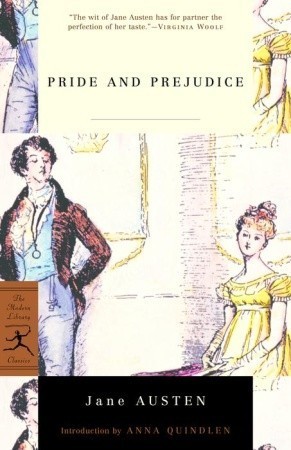
Pride and Prejudice
1813
Jane Austen
Since its immediate success in 1813, Pride and Prejudice has remained one of the most popular novels in the English language. Jane Austen called this brilliant work "her own darling child" and its vivacious heroine, Elizabeth Bennet, "as delightful a creature as ever appeared in print." The romantic clash between the opinionated Elizabeth and her proud beau, Mr. Darcy, is a splendid performance of civilized sparring. And Jane Austen's radiant wit sparkles as her characters dance a delicate quadrille of flirtation and intrigue, making this book the most superb comedy of manners of Regency England. Alternate cover edition of ISBN 9780679783268
The Alchemist
1988
Paulo Coelho
Paulo Coelho's masterpiece tells the mystical story of Santiago, an Andalusian shepherd boy who yearns to travel in search of a worldly treasure. His quest will lead him to riches far different, and far more satisfying, listening to our hearts, of recognizing opportunity and learning to read the omens strewn along life's path, and, most importantly, to follow our dreams.