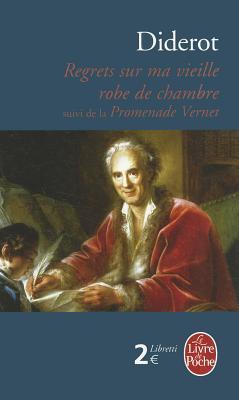



Diderot vient de recevoir de Mme Geoffrin une somptueuse robe de chambre écarlate : «A présent, j’ai l’air d’un riche fainéant», écrit-il, et ce cadeau est l’occasion d’une méditation sur le luxe et son bon ou mauvais usage, et sur l’habit, qui fait ou ne fait pas le moine. Tout autant que sa nouvelle robe de chambre, un autre cadeau, un tableau de Joseph Vernet accroché à son mur, avait frappé ses visiteurs. Or c’est précisément l’œuvre du peintre qu’au mois d’août 1767 Diderot admire au Salon qui se tient au Louvre. Et tout à coup, sans préavis, il suppose qu’il a quitté Paris pour des montagnes proches de la mer : le souffle coupé, il s’enthousiasme pour ce spectacle de la nature et le commente devant l’abbé précepteur qui l’accompagne dans sa promenade. Ce livre est une oeuvre du domaine public éditée au format numérique par Ebooks libres et gratuits. L’achat de l’édition Kindle inclut le téléchargement via un réseau sans fil sur votre liseuse et vos applications de lecture Kindle.
Author

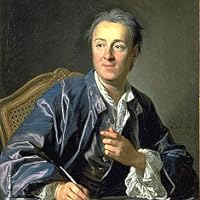
Work on the Encyclopédie (1751-1772), supreme accomplishment of French philosopher and writer Denis Diderot, epitomized the spirit of thought of Enlightenment; he also wrote novels, plays, critical essays, and brilliant letters to a wide circle of friends and colleagues. Jean le Rond d'Alembert contributed. This artistic prominent persona served as best known co-founder, chief editor, and contributor. He also contributed notably to literature with Jacques le fataliste et son maître (Jacques the Fatalist and his Master), which emulated Laurence Sterne in challenging conventions regarding structure and content, while also examining ideas about free will. Diderot also authored of the known dialogue, Le Neveu de Rameau (Rameau's Nephew), basis of many articles and sermons about consumer desire. His articles included many topics. Diderot speculated on free will, held a completely materialistic view of the universe, and suggested that heredity determines all human behavior. He therefore warned his fellows against an overemphasis on mathematics and against the blind optimism that sees in the growth of physical knowledge an automatic social and human progress. He rejected the idea of progress. His opinion doomed the aim of progressing through technology to fail. He founded on experiment and the study of probabilities. He wrote several articles and supplements concerning gambling, mortality rates, and inoculation against smallpox. He discreetly but firmly refuted technical errors and personal positions of d'Alembert on probability.