Margins
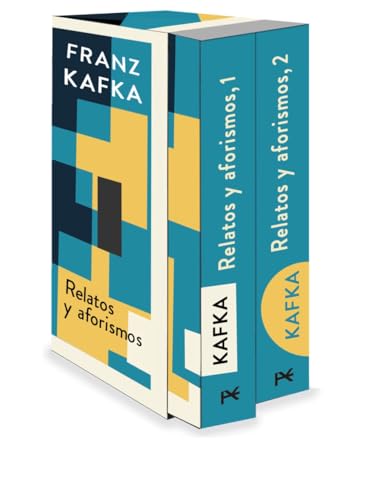
Relatos y aforismos - Estuche book cover
Relatos y aforismos - Estuche
2024
First Published
4.00
Average Rating
1518
Number of Pages
Franz Kafka (1883-1924) ha ocupado durante un siglo un lugar privilegiado en la cima de la literatura universal. Tanto es así que lo "kafkiano" se ha convertido en un adjetivo común que define una realidad trágicamente absurda y que escapa a la voluntad de quien la padece, y no es casualidad que se haya instalado en nuestro la obra de Kafka es una exploración en la psique colectiva de una época desconcertante y tumultuosa -la de principios del siglo XX- que resuena mucho con la nuestra. En este estuche de dos volúmenes se ofrecen sus relatos completos -aquellos que publicó en vida y los que quedaron inéditos-, así como aforismos reunidos de sus célebres cuadernos en octavo y de otros escritos (todos restaurados y liberados de las injerencias de Max Brod según las últimas ediciones críticas). Una obra fragmentaria y laberíntica a la que merece la pena asomarse para disfrutar de la cercanía y de la complicidad de un contemporáneo en los días en que la vida parece no tener demasiado sentido.

Avg Rating
4.00
Number of Ratings
2
5 STARS
50%
4 STARS
0%
3 STARS
50%
2 STARS
0%
1 STARS
0%
goodreads

Author

Franz Kafka
Franz Kafka
Author · 370 books

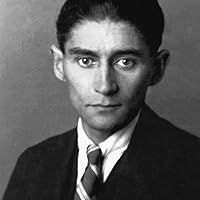
Prague-born writer Franz Kafka wrote in German, and his stories, such as " The Metamorphosis " (1916), and posthumously published novels, including The Trial (1925), concern troubled individuals in a nightmarishly impersonal world. Jewish middle-class family of this major fiction writer of the 20th century spoke German. People consider his unique body of much incomplete writing, mainly published posthumously, among the most influential in European literature. His stories include "The Metamorphosis" (1912) and " In the Penal Colony " (1914), whereas his posthumous novels include The Trial (1925), The Castle (1926) and Amerika (1927). Despite first language, Kafka also spoke fluent Czech. Later, Kafka acquired some knowledge of the French language and culture from Flaubert, one of his favorite authors. Kafka first studied chemistry at the Charles-Ferdinand University of Prague but after two weeks switched to law. This study offered a range of career possibilities, which pleased his father, and required a longer course of study that gave Kafka time to take classes in German studies and art history. At the university, he joined a student club, named Lese- und Redehalle der Deutschen Studenten, which organized literary events, readings, and other activities. In the end of his first year of studies, he met Max Brod, a close friend of his throughout his life, together with the journalist Felix Weltsch, who also studied law. Kafka obtained the degree of doctor of law on 18 June 1906 and performed an obligatory year of unpaid service as law clerk for the civil and criminal courts. Writing of Kafka attracted little attention before his death. During his lifetime, he published only a few short stories and never finished any of his novels except the very short "The Metamorphosis." Kafka wrote to Max Brod, his friend and literary executor: "Dearest Max, my last request: Everything I leave behind me ... in the way of diaries, manuscripts, letters (my own and others'), sketches, and so on, [is] to be burned unread." Brod told Kafka that he intended not to honor these wishes, but Kafka, so knowing, nevertheless consequently gave these directions specifically to Brod, who, so reasoning, overrode these wishes. Brod in fact oversaw the publication of most of work of Kafka in his possession; these works quickly began to attract attention and high critical regard. Max Brod encountered significant difficulty in compiling notebooks of Kafka into any chronological order as Kafka started writing in the middle of notebooks, from the last towards the first, et cetera. Kafka wrote all his published works in German except several letters in Czech to Milena Jesenská.

548 Market St PMB 65688, San Francisco California 94104-5401 USA
© 2026 Paratext Inc. All rights reserved