Margins


548 Market St PMB 65688, San Francisco California 94104-5401 USA
© 2026 Paratext Inc. All rights reserved
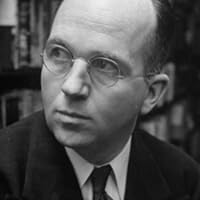
James A. Michener, the acclaimed author of sweeping historical blockbusters, chronicles his personal involvement in one of the most dramatic elections of the twentieth the presidential race between John F. Kennedy and Richard Nixon. A relative newcomer to politics, Michener served as the Democratic chairman in his native Bucks County, Pennsylvania, in a rural battleground precinct where the major controversies of the day—notably Kennedy’s Catholicism—brought cultural divides to the forefront. First published shortly after the 1960 election, Report of the County Chairman remains an intimate, gripping account of the power of grassroots political involvement. This edition includes an excerpt from James A. Michener's Hawaii. Praise for Report of the County Chairman “A candid account of the Kennedy/Nixon campaign.” — The Philadelphia Inquirer “Fascinating . . . The personalities are vividly and vigorously sketched—the workers, the volunteers, the hatchet men, the pros and . . . key figures on the barnstorming tour.” — Kirkus Reviews “Instructive . . . Anti-Catholicism was not just a Southern problem. In Pennsylvania, accounts of increasing anti-Catholicism were widespread. No one documented this sentiment more clearly than famed Pennsylvania novelist James Michener.” — The Morning Call (Allentown, Pennsylvania)
Special order. Takes a little longer. US addresses only.