Margins




548 Market St PMB 65688, San Francisco California 94104-5401 USA
© 2026 Paratext Inc. All rights reserved
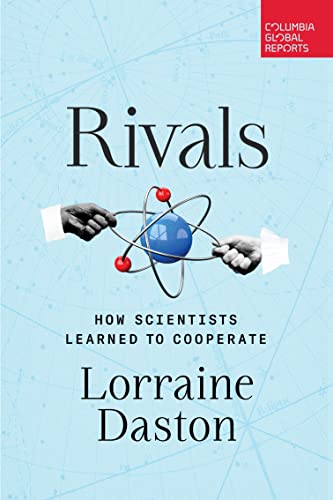
Why is the scientific community so unified? In the last 350-odd years, the international “scientific community” has come to be the bastion of consensus and concerted action, especially in the face of two global disastrous climate change, and a deadly pandemic. How did “the scientific community” come into existence, and why does it work? Rivals is an attempt to answer these questions in the form of a brief historical overview, from the late seventeenth to the early twenty-first centuries, through the creation of two enormous projects—the Carte du Ciel, or the great star map, and the International Cloud Atlas, pioneered by the World Meteorological Organization after World War II. These new models of intergovernmental collaboration and global observation networks would later make the mounting evidence of planetary phenomena like climate change possible. Drawing upon original documents stored in Paris, Geneva, and Uppsala, historian of science Lorraine Daston offers a fascinating, lively study of successful and unsuccessful scientific collaborations. Rivals is indispensable both as history and as guidance.