Margins




548 Market St PMB 65688, San Francisco California 94104-5401 USA
© 2026 Paratext Inc. All rights reserved
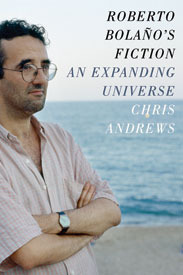
Since the publication of "The Savage Detectives" in 2007, the work of Roberto Bolaño (1953—2003) has achieved an acclaim rarely enjoyed in contemporary fiction. Chris Andrews, a leading translator of Bolaño's work into English, explores the singular achievements of the author's oeuvre, engaging with its distinct style and key thematic concerns, incorporating his novels and stories into the larger history of Latin American and global literary fiction. Andrews provides new readings and interpretations of Bolaño's novels, including "2666," "The Savage Detectives," and "By Night in Chile" while at the same time examining the ideas and narrative strategies that unify his work. He begins with a consideration of the reception of Bolaño's fiction in English translation, examining the reasons behind its popularity. Subsequent chapters explore aspects of Bolaño's fictional universe and the political, ethical, and aesthetic values that shape it. Bolaño emerges as the inventor of a prodigiously effective "fiction-making system," a subtle handler of suspense, a chronicler of aimlessness, a celebrator of courage, an anatomist of evil, and a proponent of youthful openness. Written in a clear and engaging style, Roberto's Bolaño's Fiction offers an invaluable understanding of one of the most important authors of the last thirty years.