Margins
Margins
Sign in
Margins
Subscribe to our newsletter
548 Market St PMB 65688, San Francisco California 94104-5401 USA
hello@margins.app
·
+1 (650) 223-5283
Privacy Policy
·
Terms of Use
© 2026 Paratext Inc. All rights reserved
📚 Russian lit
📚
Russian lit
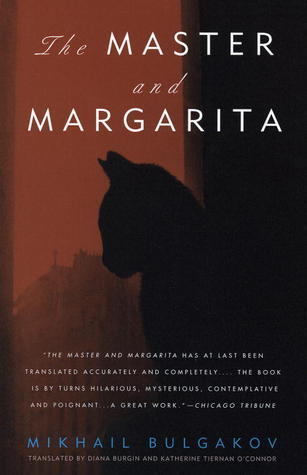
The Master and Margarita
1967
Mikhail Bulgakov
The first complete, annotated English Translation of Mikhail Bulgakov's comic masterpiece. An audacious revision of the stories of Faust and Pontius Pilate, The Master and Margarita is recognized as one of the essential classics of modern Russian literature. The novel's vision of Soviet life in the 1930s is so ferociously accurate that it could not be published during its author's lifetime and appeared only in a censored edition in the 1960s. Its truths are so enduring that its language has become part of the common Russian speech. One hot spring, the devil arrives in Moscow, accompanied by a retinue that includes a beautiful naked witch and an immense talking black cat with a fondness for chess and vodka. The visitors quickly wreak havoc in a city that refuses to believe in either God or Satan. But they also bring peace to two unhappy Muscovites: one is the Master, a writer pilloried for daring to write a novel about Christ and Pontius Pilate; the other is Margarita, who loves the Master so deeply that she is willing literally to go to hell for him. What ensues is a novel of inexhaustible energy, humor, and philosophical depth, a work whose nuances emerge for the first time in Diana Burgin's and Katherine Tiernan O'Connor's splendid English version.
Anna Karenina
1878
Leo Tolstoy
Acclaimed by many as the world's greatest novel, Anna Karenina provides a vast panorama of contemporary life in Russia and of humanity in general. In it Tolstoy uses his intense imaginative insight to create some of the most memorable characters in all of literature. Anna is a sophisticated woman who abandons her empty existence as the wife of Karenin and turns to Count Vronsky to fulfil her passionate nature - with tragic consequences. Levin is a reflection of Tolstoy himself, often expressing the author's own views and convictions. Throughout, Tolstoy points no moral, merely inviting us not to judge but to watch. As Rosemary Edmonds comments, 'He leaves the shifting patterns of the kaleidoscope to bring home the meaning of the brooding words following the title, 'Vengeance is mine, and I will repay.
The Brothers Karamazov
1880
Fyodor Dostoevsky
The Brothers Karamazov is a murder mystery, a courtroom drama, and an exploration of erotic rivalry in a series of triangular love affairs involving the “wicked and sentimental” Fyodor Pavlovich Karamazov and his three sons―the impulsive and sensual Dmitri; the coldly rational Ivan; and the healthy, red-cheeked young novice Alyosha. Through the gripping events of their story, Dostoevsky portrays the whole of Russian life, is social and spiritual striving, in what was both the golden age and a tragic turning point in Russian culture. This award-winning translation by Richard Pevear and Larissa Volokhonsky remains true to the verbal inventiveness of Dostoevsky’s prose, preserving the multiple voices, the humor, and the surprising modernity of the original. It is an achievement worthy of Dostoevsky’s last and greatest novel.
Dead Souls
1842
Nikolai Gogol
Dead Souls is eloquent on some occasions, lyrical on others, and pious and reverent elsewhere. Nicolai Gogol was a master of the spoof. The American students of today are not the only readers who have been confused by him. Russian literary history records more divergent interpretations of Gogol than perhaps of any other classic. In a new translation of the comic classic of Russian literature, Chichikov, an enigmatic stranger and conniving schemer, buys deceased serfs' names from their landlords' poll tax lists hoping to mortgage them for profit and to reinvent himself as a likeable gentleman.
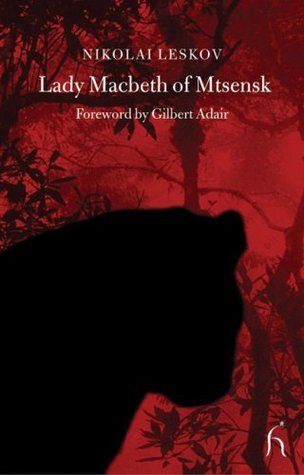
Lady Macbeth of Mtsensk
1865
Nikolai Leskov
In this powerful and brutal short story, Leskov demonstrates the enduring truth of the Shakespearean archetype joltingly displaced to the heartland of Russia. Chastened and stifled by her marriage of convenience to a man twice her age, the young Katerina Lvovna goes yawning about the house, missing the barefoot freedom of her childhood, until she meets the feckless steward Sergei Filipych. Sergei proceeds to seduce Katerina, as he has done half the women in the town, not realizing that her passion, once freed, will attach to him so fiercely that Katerina will do anything to keep hold of him. Journalist and prose writer Nikolai Leskov is known for his powerful characterizations and the quintessentially Russian atmosphere of his stories.
Life and Fate
1960
Vasily Grossman
Life and Fate is an epic tale of a country told through the fate of a single family, the Shaposhnikovs. As the battle of Stalingrad looms, Grossman's characters must work out their destinies in a world torn apart by ideological tyranny and war. Completed in 1960 and then confiscated by the KGB, this sweeping panorama of Soviet society remained unpublished until it was smuggled into the West in 1980, where it was hailed as a masterpiece. Librarian's Note: This is an alternative cover edition of ISBN13: 9780099506164
Doctor Zhivago
1957
Boris Pasternak
This epic tale about the effects of the Russian Revolution and its aftermath on a bourgeois family was not published in the Soviet Union until 1987. One of the results of its publication in the West was Pasternak's complete rejection by Soviet authorities; when he was awarded the Nobel Prize for Literature in 1958 he was compelled to decline it. The book quickly became an international best-seller. Dr. Yury Zhivago, Pasternak's alter ego, is a poet, philosopher, and physician whose life is disrupted by the war and by his love for Lara, the wife of a revolutionary. His artistic nature makes him vulnerable to the brutality and harshness of the Bolsheviks. The poems he writes constitute some of the most beautiful writing featured in the novel.
Oblomov
1859
Ivan Goncharov
Even though Ivan Goncharov wrote several books that were widely read and discussed during his lifetime, today he is remembered for one novel, Oblomov, published in 1859, an indisputable classic of Russian literature, the artistic stature and cultural significance of which may be compared only to other such masterpieces as Nikolai Gogol's Dead Souls, Leo Tolstoy's Anna Karenina, and Fyodor Dostoevsky's Brothers Karamazov. Stephen Pearl's new translation, the first major English-language publication of Oblomov in more than fifty years, succeeds exquisitely to introduce this astonishing and endearing novel to a new generation of readers.
The Slynx
2000
Tatyana Tolstaya
Two hundred years after civilization ended in an event known as the Blast, Benedikt isn't one to complain. He's got a job—transcribing old books and presenting them as the words of the great new leader, Fyodor Kuzmich, Glorybe—and though he doesn't enjoy the privileged status of a Murza, at least he's not a serf or a half-human four-legged Degenerator harnessed to a troika. He has a house, too, with enough mice to cook up a tasty meal, and he's happily free of mutations: no extra fingers, no gills, no cockscombs sprouting from his eyelids. And he's managed—at least so far—to steer clear of the ever-vigilant Saniturions, who track down anyone who manifests the slightest sign of Freethinking, and the legendary screeching Slynx that waits in the wilderness beyond.
Secondhand Time
The Last of the Soviets
Svetlana Alexievich
From the 2015 winner of the Nobel Prize in Literature, Svetlana Alexievich, comes the first English translation of her latest work, an oral history of the disintegration of the Soviet Union and the emergence of a new Russia. Bringing together dozens of voices in her distinctive documentary style, Secondhand Time is a monument to the collapse of the USSR, charting the decline of Soviet culture and speculating on what will rise from the ashes of Communism. As in all her books, Alexievich gives voice to women and men whose stories are lost in the official narratives of nation-states, creating a powerful alternative history from the personal and private stories of individuals.
Baba Yaga Laid an Egg
2007
Dubravka Ugresic
"Baba Yaga is an old hag who lives in a house built on chicken legs and kidnaps small children. She is one of the most pervasive and powerful creatures in all mythology." "But what does she have to do with a writer's journey to Bulgaria in 2007 on behalf of her mother?" "Or with a trio of women who decide in their old age to spend a week together at a hotel spa?" By the end of Dubravka Ugresic's novel, the answers are revealed. Her story is shot through with spellbinding, magic, involving a gambling triumph, sudden death on the golf course, a long-lost grandchild, an invasion of starlings, and wartime flight, the consequences of which are revealed only decades later.
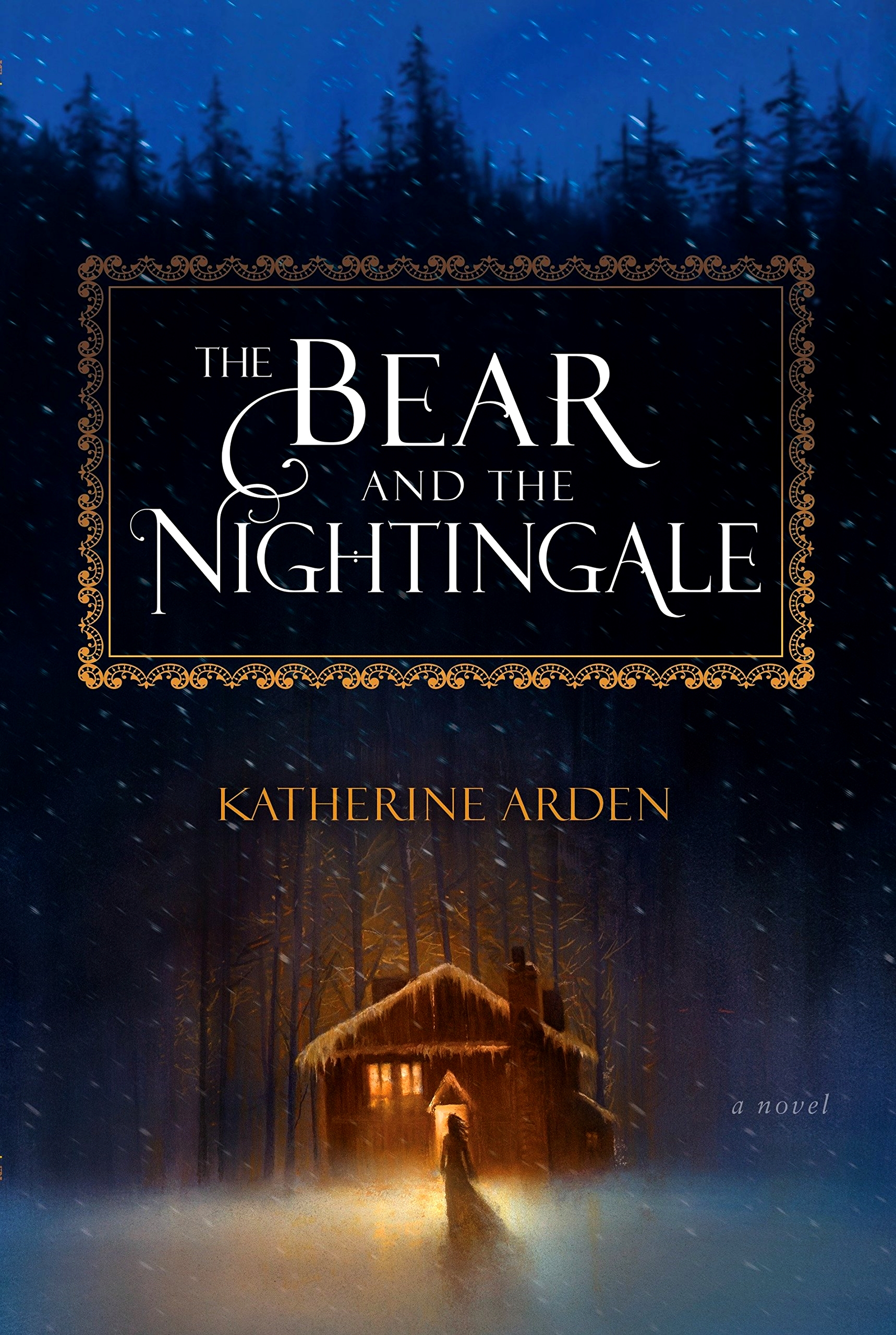
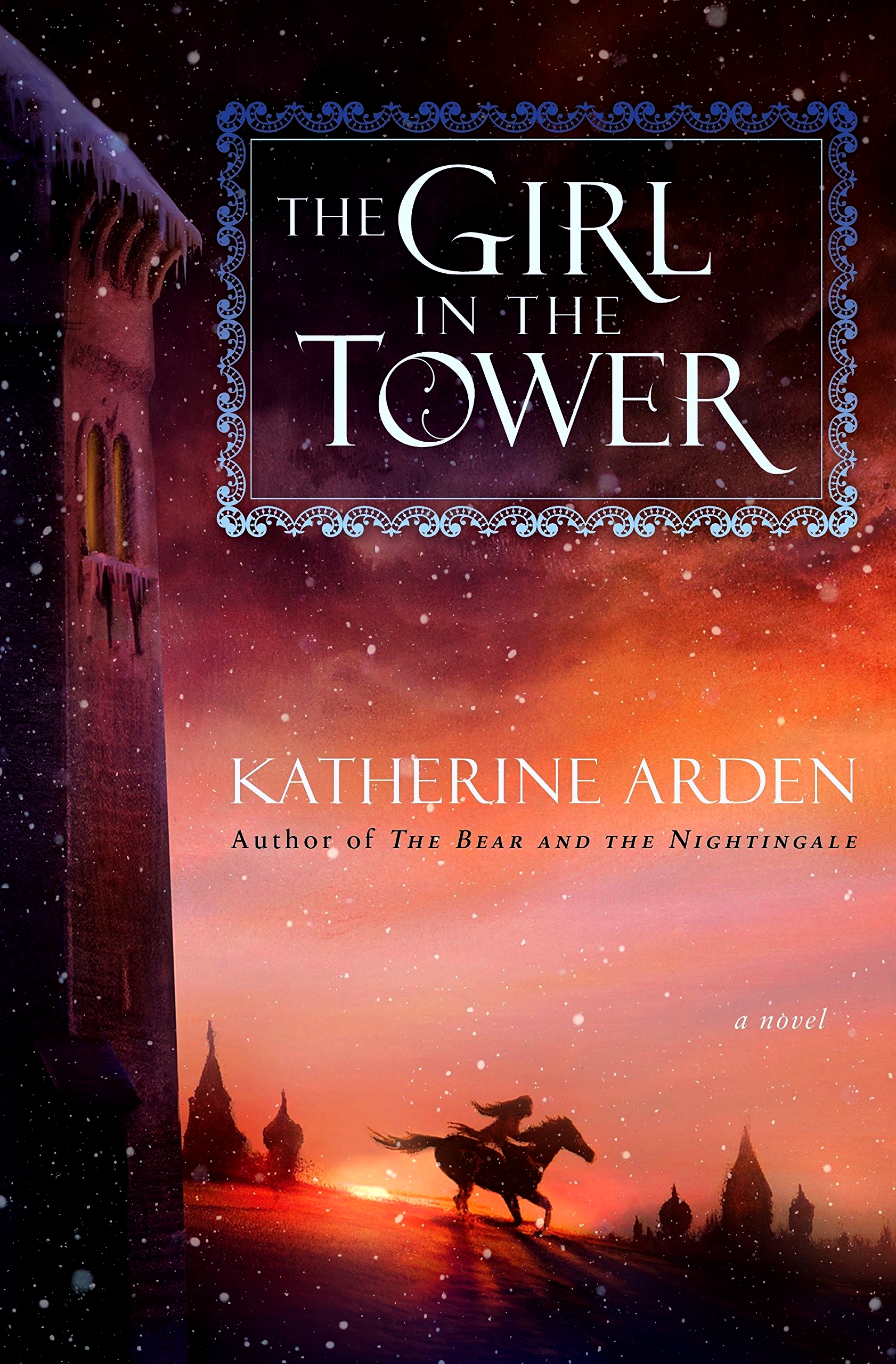
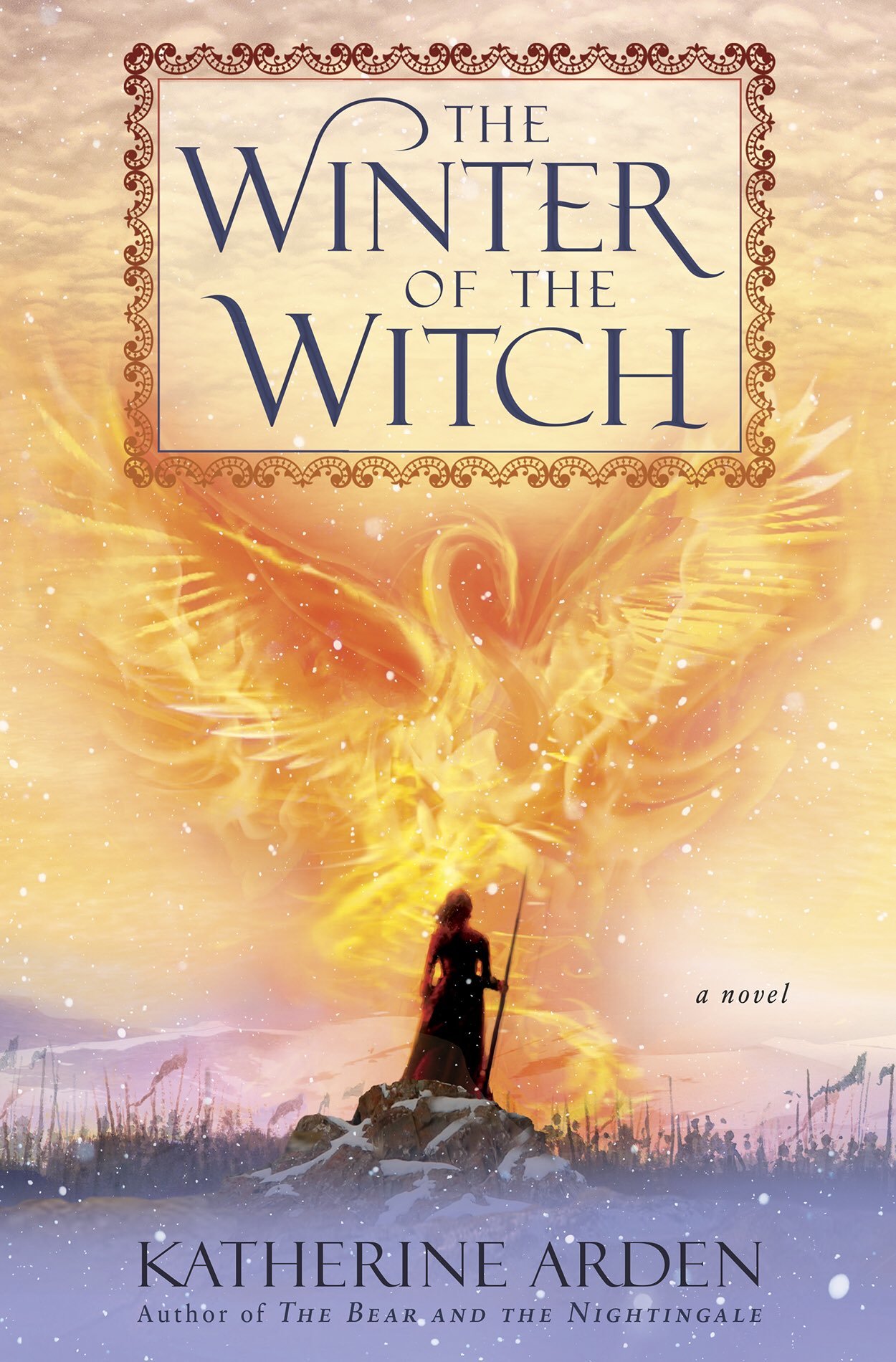
The Winternight Trilogy
Series • 4 books
Katherine Arden