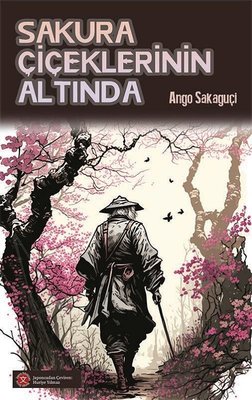
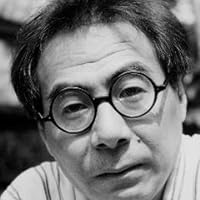
Bu kitapta, İkinci Dünya Savaşı'ndan önce ve sonraki dönem modern Japon edebiyatının önde gelen yazarlarından Ango Sakaguçi'nin 'Sakura Çiçeklerinin Altında', 'Oda Nobunaga','İeyasu', 'Budala' ve 'Yozlaşma Teorisi 1-2' adlı kısa hikayelerini okuyabileceksiniz. Japon kültürünün önemli simgelerinden kiraz çiçeği ile aynı ada sahip Sakura Çiçeklerinin Altında' da gaddar bir haydudun aşkı uğruna neler yapabileceğine tanık olacaksınız. Ayrıca Sengoku Dönemi'nin (Savaşan Beylikler Dönemi) Japonya'sının gelmiş geçmiş en büyük üç birleştiricisinden ikisi olan Oda Nobunaga ve Tokugawa İeyasu'yu konu alan hikayelerini de okuyacaksınız. Kendi adamları tarafından sürekli olarak küçümsenmesine rağmen geliştirdiği zekice taktikler sayesinde rakiplerini bozguna uğratan savaşçı Oda Nobunaga'nın yaşadıklarına, çocuk yaşta rakip klana rehin verilerek yetişen, sonraki yıllarda 'tilki baba' olarak tanınan ve sonunda Japonya'yı tek bayrak altında birleştirerek Tokugawa şogunluğunu kuran Tokugawa İeyasu'nun gerçek yüzünü bu kitapta keşfedeceksiniz. Tokya'da yaşayan insanların İkinci Dünya Savaşı'nda Amerikan uçakları kafalarına bombalar yağdırırken nasıl davrandıklarını Budala'da okuyacak, sanki kendiniz de oradaymışsınız gibi hissedeceksiniz. Yozlaşma Teorisi'nde ise Sakaguçi'nin siyasete ve yönetime yönelik ağır eleştirilerini bulacak, bu eleştirilerin günümüzde de geçerliliğini koruduğunu görünce şaşıracaksınız. Japon tarihine yön vermiş Nobunaga ve İeyasu gibi büyük shogunların sadece savaşlarına ya da kahramanlıklarına değil aynı zamanda kişiliklerine de eleştirel vurgu yapan Ango Sakaguçi, Yozlaşma Teorisi adlı hikayesinde Japonya'nın İkinci Dünya Savaşı'nda yaşanan toplumsal tramvalarını da karmaşık fakat etkileyici bir dille kaleme almıştır.