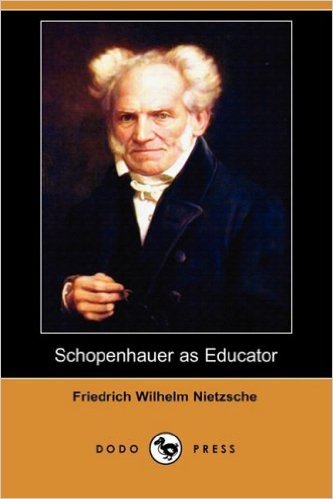
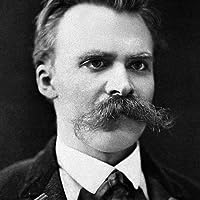
Friedrich Wilhelm Nietzsche (1844-1900) was a German philosopher. His writing included critiques of religion, morality, contemporary culture, philosophy and science, using a distinctive style and displaying a fondness for aphorism. Nietzsche’s influence remains substantial within and beyond philosophy, notably in existentialism and postmodernism. He began his career as a philologist before turning to philosophy. At the age of 24 he became Professor of Classical Philology at the University of Basel, but resigned in 1879 due to health problems, which would plague him for most of his life. In 1889 he exhibited symptoms of serious mental illness, living out his remaining years in the care of his mother and sister until his death in 1900. His works include From my Life (1858), On Music (1858), Napoleon III as a President (1862), Free Willand Fate (1862), My Life (1864), The Birth of Tragedy (1872), Richard Wagner in Bayreuth (1876), Human, All-Too-Human (1878), Beyond Good and Evil (1886), The Antichrist (1888) and Ecce Homo (1888).