Margins
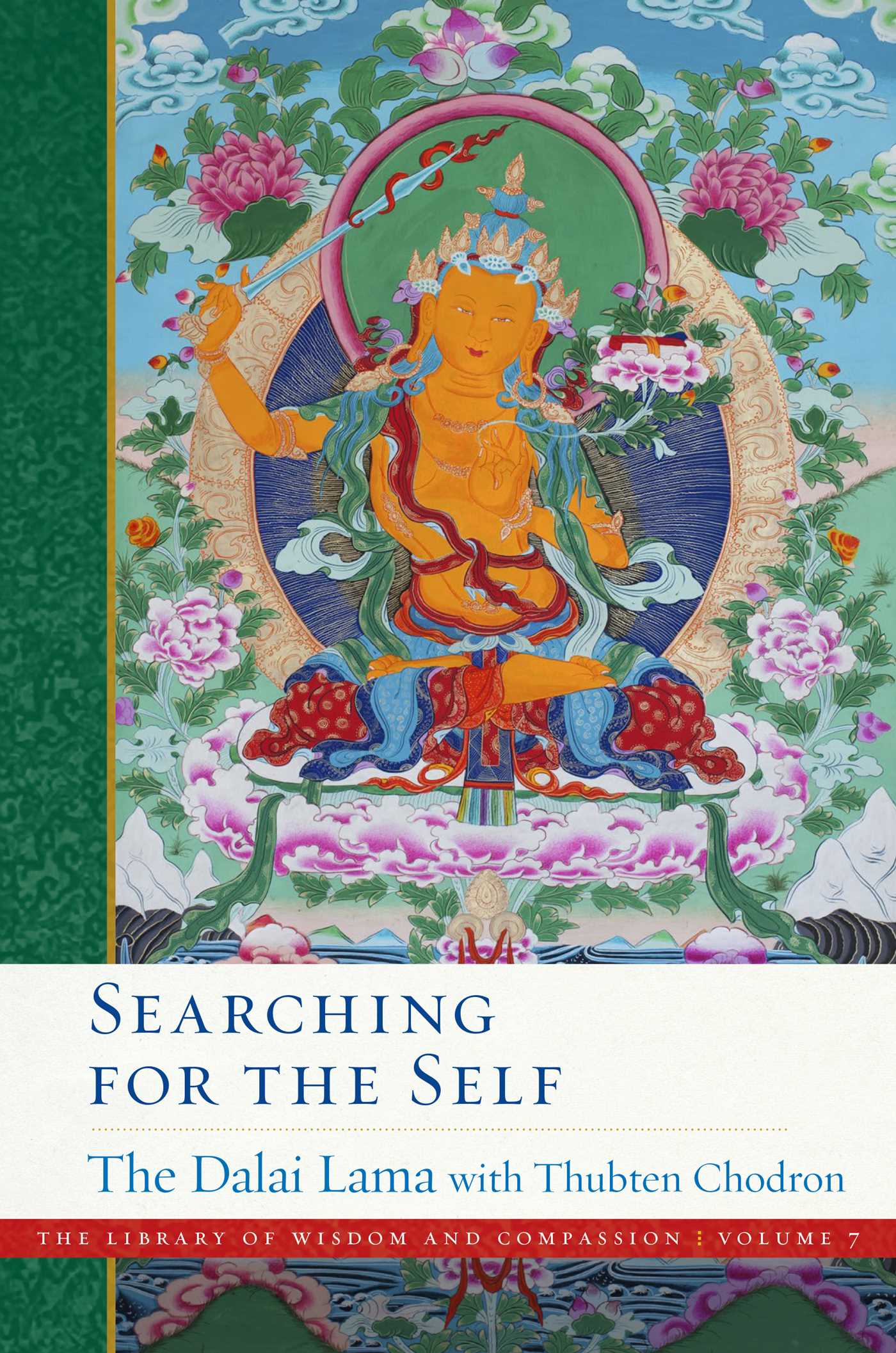
Searching for the Self (7) book cover
Searching for the Self (7)
2022
First Published
3.79
Average Rating
456
Number of Pages

His Holiness the Dalai Lama explores emptiness, one of the most central teachings in Buddhism, in the newest volume of the bestselling series The Library of Wisdom and Compassion . In Searching for the Self the Dalai Lama leads us to delve deeply into the topic of the ultimate nature of reality, presenting it from a variety of approaches while focusing on identifying our erroneous views and directing us to the actual mode of existence of all persons and phenomena. Placing our study of reality within the auspicious context of a compassionate motivation to benefit all sentient beings, the Dalai Lama explains why realizing emptiness is important and what qualities are needed to do that, and he evaluates various tenet systems’ perspectives on this vast topic. He then helps us understand our perceptions and the mental states involved in both our ignorant and accurate cognitions. He examines inherent existence and other fantasized ways of existence that we seek to disprove through reasoned analysis and presents the Middle Way view that abandons all extremes. The closing chapters by Thubten Chodron discuss the three characteristics of impermanence, unsatisfactoriness, and not-self as explained in the Pali tradition and show how meditation on these can lead to the meditative breakthrough to realize nirvana. Engaging in this investigation with His Holiness will challenge our deepest-held beliefs and uproot false ways of viewing ourselves and the world that are so habitual we don’t even notice them. Get ready to be challenged and intrigued, for realizing the nature of reality has the power to cut our defilements at the root and free us from cyclic existence forever!
Avg Rating
3.79
Number of Ratings
14
5 STARS
36%
4 STARS
29%
3 STARS
21%
2 STARS
7%
1 STARS
7%
goodreads

Authors

Dalai Lama
Dalai Lama
Author · 166 books

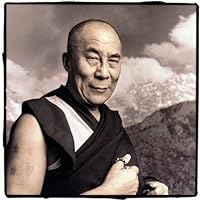
Jetsun Jamphel Ngawang Lobsang Yeshe Tenzin Gyatso (born Lhamo Döndrub), the 14th Dalai Lama, is a practicing member of the Gelug School of Tibetan Buddhism and is influential as a Nobel Peace Prize laureate, the world's most famous Buddhist monk, and the leader of the exiled Tibetan government in India. Tenzin Gyatso was the fifth of sixteen children born to a farming family. He was proclaimed the tulku (an Enlightened lama who has consciously decided to take rebirth) of the 13th Dalai Lama at the age of two. On 17 November 1950, at the age of 15, he was enthroned as Tibet's ruler. Thus he became Tibet's most important political ruler just one month after the People's Republic of China's invasion of Tibet on 7 October 1950. In 1954, he went to Beijing to attempt peace talks with Mao Zedong and other leaders of the PRC. These talks ultimately failed. After a failed uprising and the collapse of the Tibetan resistance movement in 1959, the Dalai Lama left for India, where he was active in establishing the Central Tibetan Administration (the Tibetan Government in Exile) and in seeking to preserve Tibetan culture and education among the thousands of refugees who accompanied him. Tenzin Gyatso is a charismatic figure and noted public speaker. This Dalai Lama is the first to travel to the West. There, he has helped to spread Buddhism and to promote the concepts of universal responsibility, secular ethics, and religious harmony. He was awarded the Nobel Peace Prize in 1989, honorary Canadian citizenship in 2006, and the United States Congressional Gold Medal on 17 October 2007.

548 Market St PMB 65688, San Francisco California 94104-5401 USA
© 2026 Paratext Inc. All rights reserved