Margins




548 Market St PMB 65688, San Francisco California 94104-5401 USA
© 2026 Paratext Inc. All rights reserved
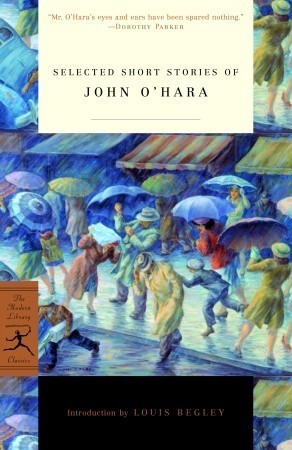
“John O’Hara’s fiction,” wrote Lionel Trilling, “is preeminent for its social verisimilitude.” Made famous by his bestselling novels, including BUtterfield 8 and Appointment in Samarra, O’Hara (1905–1970) also wrote some of the finest short fiction of the twentieth century. First published by the Modern Library in 1956, Selected Short Stories of John O’Hara displays the author’s skills as a keen social observer, a refreshingly frank storyteller, and a writer with a brilliant ear for dialogue. “The stories in this volume,” writes Louis Begley in his new Introduction, “show the wide range of [O’Hara’s] interests and an ability to treat with a virtuoso’s ease characters and situations from any place on America’s geographic and social spectrum.” Stories included: The decision—Everything satisfactory—The moccasins—Doctor and Mrs. Parsons—Pardner—A phase of life—Walter T. Carriman—Now we know—Too young—Summer's day—The king of the desert—Bread alone—Graven image—The next-to-last dance of the season—Where's the game? — Mrs. Whitman—Price's always open—The cold house—Are we leaving tomorrow? — No mistakes—The ideal man—Do you like it here? — The doctors son—Hotel kid—The public career of Mr. Seymour Harrisburg—In the morning sun—War aims—Secret meeting—Other women's households—Over the river and through the wood—I could have had a yacht—A respectable place.