


Margins
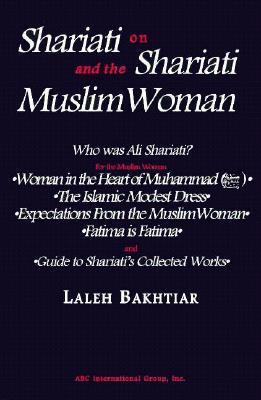
Shariati on Shariati and the Muslim Woman book cover
Shariati on Shariati and the Muslim Woman
1996
First Published
3.80
Average Rating
330
Number of Pages

In Part 1, the life of Ali Shariati is seen through his own journals and letters as well as through the words of his first teacher, his father. Part 2, Shariati's compelling advice for the Muslim woman to know what is to be done as she seeks out her identity, consists of four lectures/essays: Woman in the Heart of Muhammad, The Islamic Modest Dress, Expectations From the Muslim Woman and Fatima is Fatima. The book ends with an English guide to the 35 volumes of Shariati's Collected Works. Ali Shariati (1933-1977), a contemporary Muslim social activist, devoted his life to paving the way for the return to what he and those who followed him believed to be a non-distorted Islam. In Part One, "Who was Ali Shariati?", his life is seen through his own journals and letters as well as through the words of his first teacher, his father, Muhammad Taqi Shariati. Part Two, Shariati's compelling advice for the Muslim woman to know what is to be done as she seeks out her identity, consists of four lectures/essays of Shariati's view of the Muslim woman. "Woman in the Heart of Muhammad", "The Islamic Modest Dress", and "Expectations from the Muslim Woman", are translated and published for the first time here. The fourth, "Fatima is Fatima" has long been out of print. Shariati left over 15,000 pages of lectures, letters, books and journals which were gathered together, divided into subjects and published from 1976-1986 in Persian in 35 volumes called The Collected Works. As no more than 500 pages of his works have been translated into English, the appendices address the need for a "Guide to Shariati's Collected Works" in order to give those interested in Shariati's ideas and his place in history an understanding of the extent and breadth of his work as well as an insight into his creative abilities which were so strong that the titles to be heard. There are five additional indices given in the appendices in order to facilitate access to (A) the translated titles and (B) transliterated titles of the 35 volumes. In the third and fourth indices, every title that appears with the Collected Works (CW) is listed (C) alphabetically in translation and (D) transliteration followed by the number assigned to the work in the "Guide to Shariati's Collected Works". The fifth (E) is a list of the Dated Works According to Dates produced during his most prolific period of 1968-1972. Through this one can follow, day by day, the blossoming of the creative energies of this son of Islam and Iran, a man about whom Jean Paul Sartre said, "I have no religion, but if I were to choose one, it would be that of Shariati's."

Avg Rating
3.80
Number of Ratings
44
5 STARS
45%
4 STARS
16%
3 STARS
16%
2 STARS
18%
1 STARS
5%
goodreads

Author

Ali Shariati
Ali Shariati
Author · 78 books

Ali Shariati was an Iranian revolutionary and sociologist who focused on the sociology of religion. He is held as one of the most influential Iranian intellectuals of the 20th century and has been called the ideologue of the Iranian Revolution. He was born in 1933 in Kahak (a village in Mazinan), a suburb of Sabzevar, found in northeastern Iran, to a family of clerics. Shariati developed fully novice approach to Shi'ism and interpreted the religion in a revolutionary manner. His interpretation of Shi'ism encouraged revolution in the world and promised salvation after death. Shariati referred to his brand of Shi'ism as "Red Shi'ism" which he contrasted with clerical-dominated, unrevolutionary "Black Shi'ism" or Safavid Shi'ism. Shariati's works were highly influenced by the Third Worldism that he encountered as a student in Paris—ideas that class war and revolution would bring about a just and classless society. He believed Shia should not merely await the return of the 12th Imam but should actively work to hasten his return by fighting for social justice, "even to the point of embracing martyrdom", saying "everyday is Ashoura, every place is Karbala." Shariati had a dynamic view about Islam: his ideology about Islam is closely related to Allama Iqbal's ideology as according to both intellectuals, change is the greatest law of nature and Islam. Persian: دکتر شریعتی‌ در سا‌ل‌ ۱۳۱۲ در خا‌نواده‌ ای‌ مذهبی‌ چشم‌ به‌ جها‌ن‌ گشود پدر او استا‌د محمد تقی‌ شریعتی‌ مردی‌ پا‌ک‌ و پا‌رسا‌ و عا‌لم‌ به‌ علوم‌ .نقلی‌ و عقلی‌ و استا‌د دانشگا‌ه‌ مشهد بود علی‌ پس‌ از گذراندن‌ دوران‌ کودکی‌ وارد دبستا‌ن‌ شد و پس‌ از شش‌ سا‌ل‌ وارد دانشسرای‌ مقدما‌تی‌ در مشهد شد. علا‌وه‌ بر خواندن‌ دروس‌ دانشسرا در کلا‌سها‌ی‌ پدرش‌ به‌ کسب‌ علم‌ می‌ پرداخت‌. معلم‌ شهید پس‌ از پا‌یا‌ن‌ تحصیلا‌ت‌ در دانشسرا به‌ آموزگا‌ری‌ پرداخت‌ و کا‌ری‌ را شروع‌ کرد که‌ در تما‌می‌ دوران‌ زندگی‌ کوتا‌هش‌ سخت‌ به‌ آن‌ شوق‌ داشت‌ و با‌ ایما‌نی‌ خا‌لص‌ با‌ تما‌می‌ وجود آنرا دنبا‌ل‌ کرد. در سا‌ل‌۱۳۵۲، رژیم‌، حسینیه‌ء ارشا‌د که‌ پا‌یگا‌ه‌ هدایت‌ و ارشا‌د مردم‌ بود را تعطیل‌ نمود، و معلم‌ مبا‌رز را بمدت ‌ ۱۸ما‌ه‌ روانه‌ زندان‌ میکند و درخ‌ خلوت‌ و تنها‌ ئی‌ است‌ که‌ علی‌ نگا‌هی‌ به‌ گذشته‌ خویش‌ می‌افکند و .استراتژی‌ مبا‌رزه‌ را با‌ر دیگر ورق‌ زده‌ و با‌ خدای‌ خویش‌ خلوت‌ میکند از این‌ به‌ بعد تا‌ سا‌ل‌ ۱۳۵۶ و هجرت‌ ، دکتر زندگی‌ سختی‌ را پشت‌ سرخ‌ گذاشت‌ . سا‌واک‌ نقشه‌ داشت‌ که‌ دکتر را به‌ هر صورت‌ ممکن‌ از پا‌ در آورد، ولی‌ شریعتی‌ که‌ از این‌ برنا‌مه‌ آگا‌ه‌ میشود ، آنرا لوث‌ میکند. در این‌ زما‌ن‌ استا‌د محمد تقی‌ شریعتی‌ را دستگیر و تحت‌ فشا‌ر و شکنجه‌ قرار داده‌ بودند تا‌ پسرش‌ را تکذیب‌ و محکوم‌ کند. اما‌ این‌ مسلما‌ن‌ راستین‌خ‌ سر با‌ز زد، دکتر شریعتی‌ در هما‌ن‌ روزها‌ و سا‌عا‌ت‌ خود را در اختیا‌ر آنها‌ میگذارد تا‌ اگر خواستند، وی‌ را از بین‌ ببرند و پدر را رها‌ کنند سایت هواداران انجمن دکتر شریعتی ــــــــــ فهرست مقالات ــــــــــ صفحه دکتر شریعتی http://drshariati.org

548 Market St PMB 65688, San Francisco California 94104-5401 USA
© 2026 Paratext Inc. All rights reserved