


Margins
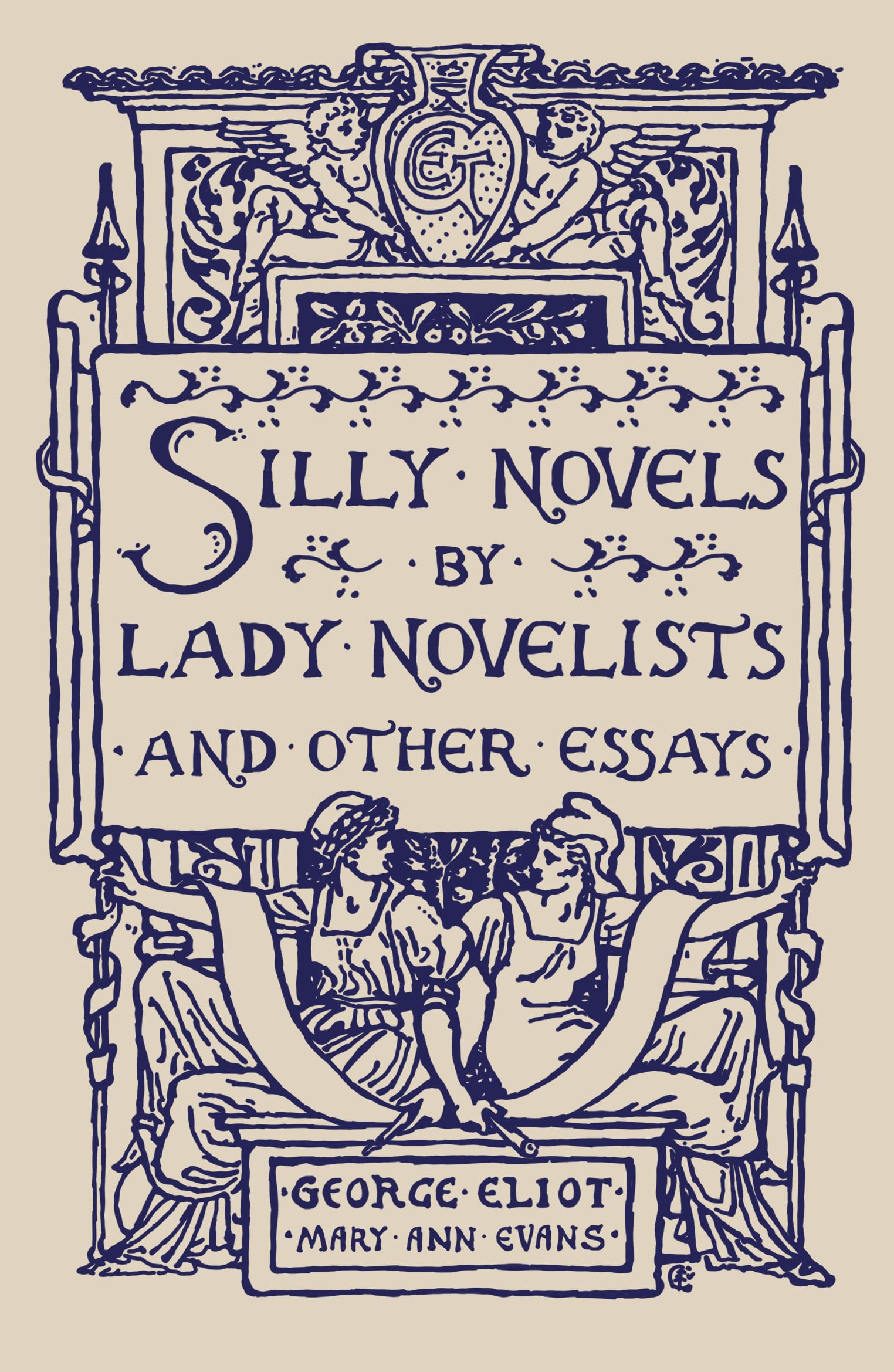
Silly Novels by Lady Novelists and Other Essays book cover
Silly Novels by Lady Novelists and Other Essays
2023
First Published
3.67
Average Rating
107
Number of Pages

One of the most famous novelists in the English literary canon, the likes of Middlemarch and Silas Marnerare household names, but Eliot’s essays are often overlooked. This collection brings together some of her most important essays and seeks to celebrate her non-fiction writing. In ‘Silly Novels by Lady Novelists’ Eliot states a desire – some few years before her best-known works – to turn her hand to novel-writing, and decries the trivial nature of contemporary writers, setting out a manifesto for good writing. In ‘Woman in France’ she considers the history of women’s writing, and the complications women face in order to write – something Eliot knew much about herself, adopting a male name to publish the work she did not publish anonymously. Taken together, this collection gives a rare and valuable insight into the author’s writing, and shines a light on her pioneering subtle form of feminism.
Avg Rating
3.67
Number of Ratings
3
5 STARS
0%
4 STARS
67%
3 STARS
33%
2 STARS
0%
1 STARS
0%
goodreads

Author

George Eliot
George Eliot
Author · 51 books

Mary Ann Evans, known by her pen name George Eliot, was an English novelist, poet, journalist, translator and one of the leading writers of the Victorian era. She was born in 1819 at a farmstead in Nuneaton, Warwickshire, England, where her father was estate manager. Mary Ann, the youngest child and a favorite of her father's, received a good education for a young woman of her day. Influenced by a favorite governess, she became a religious evangelical as an adolescent. Her first published work was a religious poem. Through a family friend, she was exposed to Charles Hennell's "An Inquiry into the Origins of Christianity". Unable to believe, she conscientiously gave up religion and stopped attending church. Her father shunned her, sending the broken-hearted young dependent to live with a sister until she promised to reexamine her feelings. Her intellectual views did not, however, change. She translated Das Leben Jesu, a monumental task, without signing her name to the 1846 work. After her father's death in 1849, Mary Ann traveled, then accepted an unpaid position with The Westminster Review. Despite a heavy workload, she translated The Essence of Christianity, the only book ever published under her real name. That year, the shy, respectable writer scandalized British society by sending notices to friends announcing she had entered a free "union" with George Henry Lewes, editor of The Leader, who was unable to divorce his first wife. They lived harmoniously together for the next 24 years, but suffered social ostracism and financial hardship. She became salaried and began writing essays and reviews for The Westminster Review. Renaming herself "Marian" in private life and adopting the penname "George Eliot," she began her impressive fiction career, including: Adam Bede (1859), The Mill on the Floss (1860), Silas Marner (1861), Romola (1863), and Middlemarch (1871). Themes included her humanist vision and strong heroines. Her poem, "O May I Join the Choir Invisible" expressed her views about non supernatural immortality: "O may I join the choir invisible/ Of those immortal dead who live again/ In minds made better by their presence. . ." D. 1880. Her 1872 work Middlemarch has been described by Martin Amis and Julian Barnes as the greatest novel in the English language. More: http://en.wikipedia.org/wiki/George\_E... http://www.bbc.co.uk/history/historic... http://www.britannica.com/EBchecked/t... http://www.victorianweb.org/victorian... http://www.biography.com/people/georg... http://www.pbs.org/wgbh/masterpiece/d...

548 Market St PMB 65688, San Francisco California 94104-5401 USA
© 2026 Paratext Inc. All rights reserved