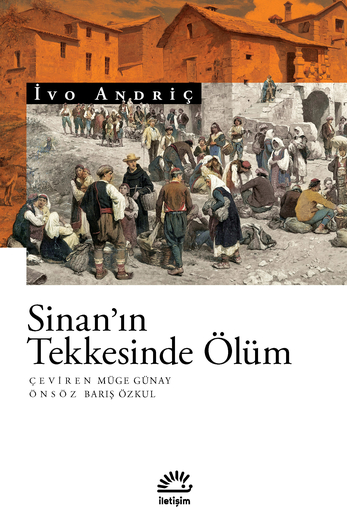



Sinan’ın Tekkesinde Ölüm, Balkanlar’ın Nobel ödüllü büyük yazarı İvo Andriç’in son dönem hikâyelerinden oluşan özgün bir seçki. Müslüman Türkler, Ortodoks Slavlar, Katolik Hırvatlar, Yahudiler ve Fransisken papazların beraber var olduğu Saraybosna’daki çocukluk ve gençlik yıllarından biriktirdiği anıları keskin bir anlatım yetisiyle hikâyeleştiren Andriç, Sinan’ın Tekkesinde Ölüm’de Balkan coğrafyasının gündelik hayatından canlı portreler sunuyor. Farklı kimlikleri içeren bir ortak yaşam imkânını betimleyen hikâyelerde Balkanlar’ın tarihsel, sanatsal ve insanî zenginliği ortaya seriliyor. Sinan’ın Tekkesinde Ölüm’de Balkan coğrafyasından tüm dünyaya açılan bir ortak yaşam umudunu bulacaksınız. “İvo Andriç, Yugoslavya’nın Tolstoy’uydu.” -Rene Wellek
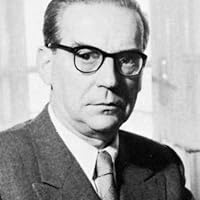
Author

Ivan "Ivo" Andrić (Cyrillic: Иво Андрић) was a Yugoslav and Bosnian novelist, short story writer and Nobel prizewinner. His writings deal mainly with life in his native Bosnia under the Ottoman Empire. His house in Travnik is now a Museum. His Belgrade flat on Andrićev Venac hosts the Museum of Ivo Andrić and the Ivo Andrić Foundation. After the Second World War, he spent most of his time in his Belgrade home, held ceremonial posts in the Communist government of Yugoslavia and was a Bosnia and Herzegovina parliamentarian. He was also a member of the Serbian Academy of Sciences and Arts. In 1961, he was awarded the Nobel Prize for Literature "for the epic force with which he has traced themes and depicted human destinies drawn from the history of his country". He donated the prize money to libraries in Bosnia and Herzegovina. His works include The Bridge on the Drina, Bosnian Chronicle (aka Chronicles of Travnik), and The Woman from Sarajevo. These were written during WW2 while he was living quietly in Belgrade and published in 1945. They are often referred to as the "Bosnian Trilogy" as they were published simultaneously and had been written in the same period. However, they're connected only thematically. Other works include Ex Ponto (1918), Unrest (Nemiri, '20), The Journey of Alija Đerzelez (Put Alije Đerzeleza, 1920), The Vizier's Elephant (Priča o vezirovom slonu, 1948; tr. 1962), The Damned Yard (Prokleta avlija, 1954), and Omer-Pasha Latas (Omerpaša Latas, released posthumously in 1977)