1999
First Published
4.17
Average Rating
116
Number of Pages
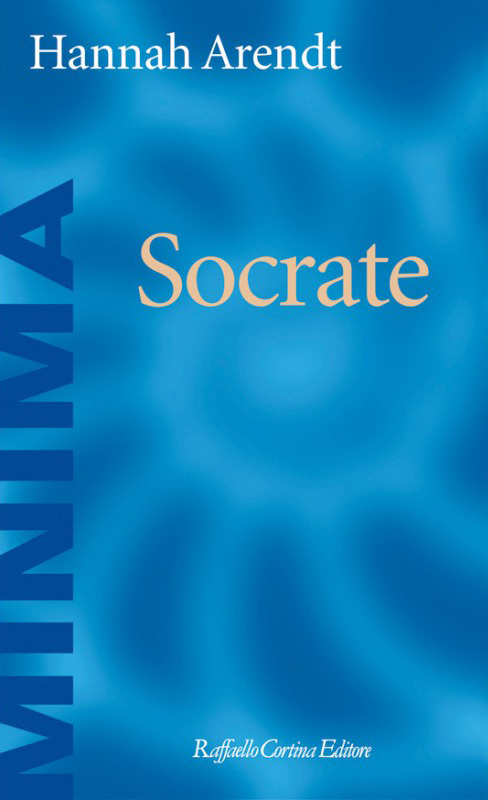
Hannah Arendt dachte zeitlebens im Horizont Sokrates'. Schon in den amerikanischen Anfängen stellte sie den Lehrer Platons in den Mittelpunkt ihrer Versuche, ein politisch relevantes und persönlich haltbares Denken für die Moderne zu begründen. Meisterhaft entfaltet diese Vorlesung aus den 50er Jahren eine Apologie der menschlichen Pluralität. So wendet sich Arendt gegen die platonische Versuchung, der Relativität der möglichen Wahrheiten mit der absoluten Autorität eines wegweisenden Denkansatzes begegnen zu wollen. Entscheidend ist für Arendt der innere Dialog, den Sokrates philosophisch initiierte. Zudem hebt sie die Kommunikation unter Bürgern und Freunden hervor, die im Austausch der Meinungen gemeinsame Perspektiven der Weltgestaltung eröffnen könne. In den Erinnerungen »In Hannah Arendts Seminar« berichtet ihr letzter Assistent Jerome Kohn, wie sich entlang platonischer Texte das gemeinsame Nachdenken mit der Philosophin an der New School of Social Research gestaltete.

Avg Rating
4.17
Number of Ratings
93
5 STARS
37%
4 STARS
47%
3 STARS
13%
2 STARS
3%
1 STARS
0%
goodreads
Author

Hannah Arendt
Author · 65 books
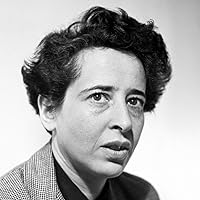
Hannah Arendt (1906 – 1975) was one of the most influential political philosophers of the twentieth century. Born into a German-Jewish family, she was forced to leave Germany in 1933 and lived in Paris for the next eight years, working for a number of Jewish refugee organisations. In 1941 she immigrated to the United States and soon became part of a lively intellectual circle in New York. She held a number of academic positions at various American universities until her death in 1975. She is best known for two works that had a major impact both within and outside the academic community. The first, The Origins of Totalitarianism, published in 1951, was a study of the Nazi and Stalinist regimes that generated a wide-ranging debate on the nature and historical antecedents of the totalitarian phenomenon. The second, The Human Condition, published in 1958, was an original philosophical study that investigated the fundamental categories of the vita activa (labor, work, action). In addition to these two important works, Arendt published a number of influential essays on topics such as the nature of revolution, freedom, authority, tradition and the modern age. At the time of her death in 1975, she had completed the first two volumes of her last major philosophical work, The Life of the Mind, which examined the three fundamental faculties of the vita contemplativa (thinking, willing, judging).