Margins




548 Market St PMB 65688, San Francisco California 94104-5401 USA
© 2026 Paratext Inc. All rights reserved
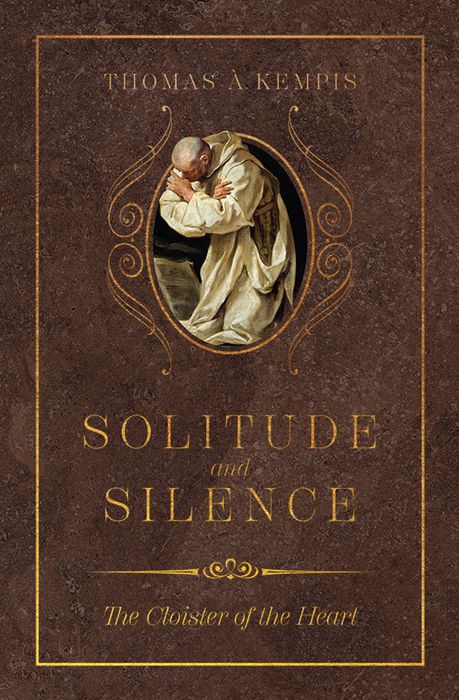
What can the lay person learn from the life of a monk? Solitude and Silence are two pillars of monastic life that many people quickly point to as the hardest and most confusing parts of this kind of religious consecration. However, the great spiritual writer Thomas à Kempis, author of The Imitation of Christ, helps us to understand that all Christians are called to some solitude and silence in our lives while not taking on a complete eremitical life. He recommends the systematic and intentional incorporation of solitude and silence in a manner which is consistent with each one’s vocation and state of life. It is important for us to cultivate these two habits in order to enter into contemplation and conversation with God. This vision of God may also be experienced (to varying degrees) even in this world, through the grace of contemplative prayer. And silence and solitude are the hallowed doors through which one must pass to arrive at this delightful and serene state of holy contemplation.