



Elizabeth Cady Stanton's inspiring and timeless speech, presenting her appeal for equal rights for women and equal education for all Elizabeth Cady Stanton believed this to be the most important speech of her lifetime. With gorgeous and direct language, she presents a compassionate appeal for human equality and dignity, and she addresses the importance of solitude in the lives of women and men. Solitude of Self joins the canon of classic American speeches. Elizabeth Cady Stanton's timeless appeal presents the historical convergence between the 19th and the 21st centuries. In this last speech, Stanton proves that while many rights have been gained over the past century, inequality continues to thrive. For those opposed to the "glass ceilings" covering our culture, Solitude of Self is an inspiration and comfort. It is for everyone who cherishes equal rights for women and equal education for all.
Author

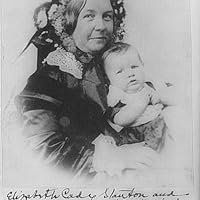
Elizabeth Cady Stanton was an American social activist and leading figure of the early woman's movement. Her Declaration of Sentiments, presented at the first women's rights convention held in 1848 in Seneca Falls, New York, is often credited with initiating the first organized woman's rights and woman's suffrage movements in the United States. Before Stanton narrowed her political focus almost exclusively to women's rights, she was an active abolitionist together with her husband, Henry Brewster Stanton and cousin, Gerrit Smith. Unlike many of those involved in the women's rights movement, Stanton addressed a number of issues pertaining to women beyond voting rights. Her concerns included women's parental and custody rights, property rights, employment and income rights, divorce laws, the economic health of the family, and birth control. She was also an outspoken supporter of the 19th-century temperance movement. After the American Civil War, Stanton's commitment to female suffrage caused a schism in the women's rights movement when she, along with Susan B. Anthony, declined to support passage of the Fourteenth and Fifteenth Amendments to the United States Constitution. She opposed giving added legal protection and voting rights to African American men while continuing to deny women, black and white, the same rights. Her position on this issue, together with her thoughts on organized Christianity and women's issues beyond voting rights, led to the formation of two separate women's rights organizations that were finally rejoined, with Stanton as president of the joint organization, approximately twenty years later.