


Margins
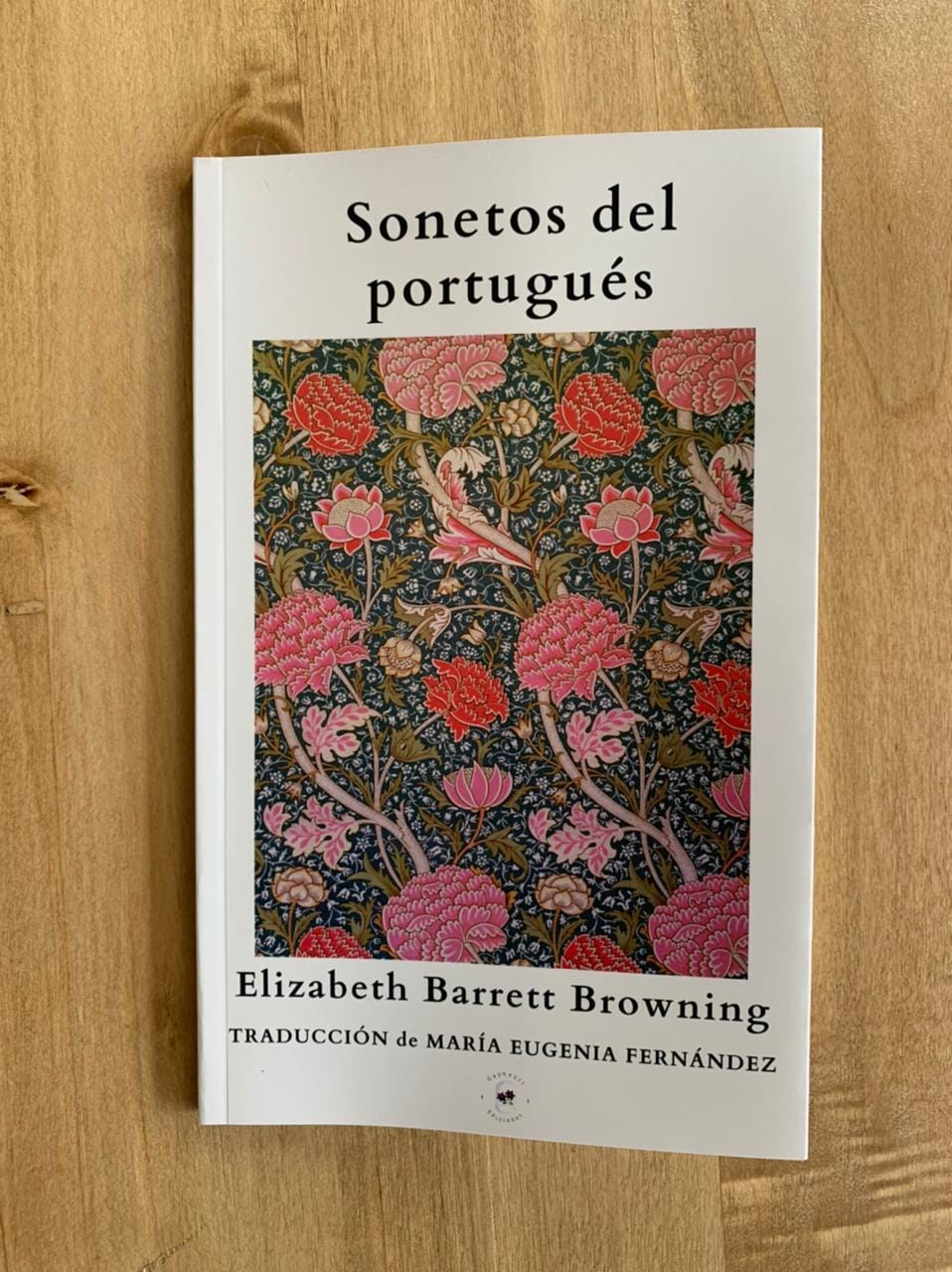
Sonetos del portugués book cover
Sonetos del portugués
2022
First Published
3.80
Average Rating
56
Number of Pages

La historia de amor de Elizabeth Barrett y Robert Browning fue incluso narrada por Virginia Woolf en su maravillosa novela Flush, la biografía de un perro (y no de cualquier perro sino del perro perteneciente a miss Barrett mientras fue soltera). Este poemario recoge las dudas y certezas del yo poético que está a punto de entregarse al amor. Las dudas porque es este un amor prohibido por las convenciones sociales victorianas y por la figura del patriarca. Prohibido porque es la propia Elizabeth quien se lo prohibe. Es este un poemario con final feliz (no estoy antelando nada ya que todos sabemos que ambos contrajeron matrimonio y se fugaron a Italia para vivir lejos de las convenciones). Lo que tiene de hermoso, lo que tiene de único, es que tenemos el testimonio de primera mano de la poeta y de esa relación que barrió con todos sus prejuicios y sus miedos. Un amor que la hizo fuerte, pero sobre todo, feliz.
Avg Rating
3.80
Number of Ratings
5
5 STARS
20%
4 STARS
40%
3 STARS
40%
2 STARS
0%
1 STARS
0%
goodreads

Author

Elizabeth Barrett Browning
Author · 12 books

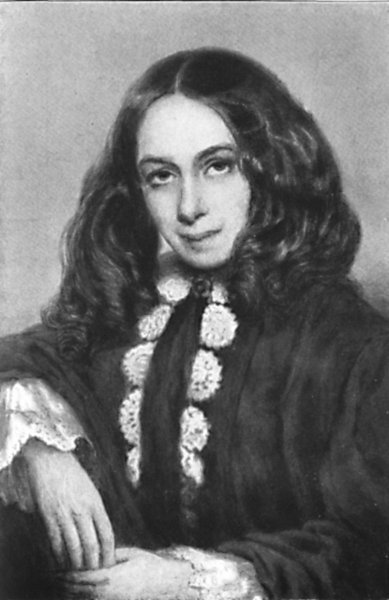
Elizabeth Barrett Browning was one of the most respected poets of the Victorian era. Born in County Durham, the eldest of 12 children, Browning was educated at home. She wrote poetry from around the age of six and this was compiled by her mother, comprising what is now one of the largest collections extant of juvenilia by any English writer. At 15 Browning became ill, suffering from intense head and spinal pain for the rest of her life, rendering her frail. She took laudanum for the pain, which may have led to a lifelong addiction and contributed to her weak health. In the 1830s Barrett's cousin John Kenyon introduced her to prominent literary figures of the day such as William Wordsworth, Mary Russell Mitford, Samuel Taylor Coleridge; Alfred, Lord Tennyson, and Thomas Carlyle. Browning's first adult collection The Seraphim and Other Poems was published in 1838. During this time she contracted a disease, possibly tuberculosis, which weakened her further. Living at Wimpole Street, in London, Browning wrote prolifically between 1841 and 1844, producing poetry, translation and prose. She campaigned for the abolition of slavery and her work helped influence reform in child labour legislation. Her prolific output made her a rival to Tennyson as a candidate for poet laureate on the death of Wordsworth. Browning's volume Poems (1844) brought her great success. During this time she met and corresponded with the writer Robert Browning, who admired her work. The courtship and marriage between the two were carried out in secret, for fear of her father's disapproval. Following the wedding she was disinherited by her father and rejected by her brothers. The couple moved to Italy in 1846, where she would live for the rest of her life. They had one son, Robert Barrett Browning, whom they called Pen. Towards the end of her life, her lung function worsened, and she died in Florence in 1861. A collection of her last poems was published by her husband shortly after her death. Browning was brought up in a strongly religious household, and much of her work carries a Christian theme. Her work had a major influence on prominent writers of the day, including the American poets Edgar Allan Poe and Emily Dickinson. She is remembered for such poems as "How Do I Love Thee?" (Sonnet 43, 1845) and Aurora Leigh (1856).

548 Market St PMB 65688, San Francisco California 94104-5401 USA
© 2026 Paratext Inc. All rights reserved