South Asia in Motion
Series · 3 books · 2018-2021
Books in series

#8
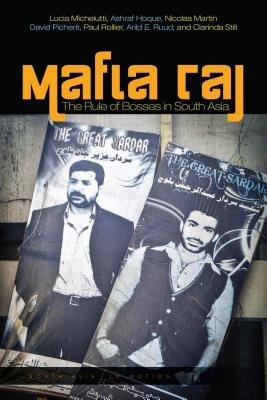
Mafia Raj
The Rule of Bosses in South Asia
2018
"Mafia" has become an indigenous South Asian term. Like Italian mobsters, the South Asian "gangster politicians" are known for inflicting brutal violence while simultaneously upholding vigilante justice―inspiring fear and fantasy. But the term also refers to the diffuse spheres of crime, business, and politics operating within a shadow world that is popularly referred to as the rule of the mafia, or "Mafia Raj." Through intimate stories of the lives of powerful and aspiring bosses in India, Pakistan, and Bangladesh, this book illustrates their personal struggles for sovereignty as they climb the ladder of success. Ethnographically tracing the particularities of the South Asian case, the authors theorize what they call "the art of bossing," providing nuanced ideas about crime, corruption, and the lure of the strongman across the world.

#11
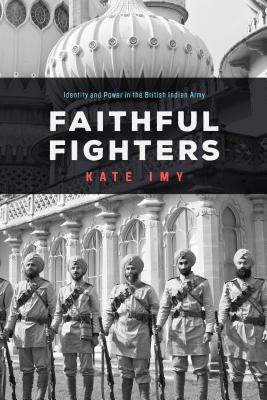
Faithful Fighters
Identity and Power in the British Indian Army
2019
During the first four decades of the twentieth century, the British Indian Army possessed an illusion of racial and religious inclusivity. The army recruited diverse soldiers, known as the "Martial Races," including British Christians, Hindustani Muslims, Punjabi Sikhs, Hindu Rajputs, Pathans from northwestern India, and "Gurkhas" from Nepal. As anti-colonial activism intensified, military officials incorporated some soldiers' religious traditions into the army to keep them disciplined and loyal. They facilitated acts such as the fast of Ramadan for Muslim soldiers and allowed religious swords among Sikhs to recruit men from communities where anti-colonial sentiment grew stronger. Consequently, Indian nationalists and anti-colonial activists charged the army with fomenting racial and religious divisions. In Faithful Fighters, Kate Imy explores how military culture created unintended dialogues between soldiers and civilians, including Hindu nationalists, Sikh revivalists, and pan-Islamic activists. By the 1920s and '30s, the army constructed military schools and academies to isolate soldiers from anti-colonial activism. While this carefully managed military segregation crumbled under the pressure of the Second World War, Imy argues that the army militarized racial and religious difference, creating lasting legacies for the violent partition and independence of India, and the endemic warfare and violence of the post-colonial world.


#19
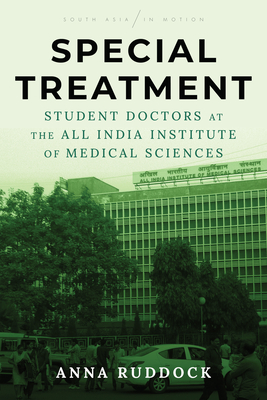
Special Treatment
Student Doctors at the All India Institute of Medical Sciences
2021
The All India Institute of Medical Sciences (AIIMS) is iconic in the landscape of Indian healthcare. Established in the early years of independence, this enormous public teaching hospital rapidly gained fame for the high-quality treatment it offered at a nominal cost; at present, an average of ten thousand patients pass through the outpatient department each day. With its notorious medical program acceptance rate of less than 0.01%, AIIMS also sits at the apex of Indian medical education. To be trained as a doctor here is to be considered the best. In what way does this enduring reputation of excellence shape the institution's ethos? How does elite medical education sustain India's social hierarchies and the health inequalities entrenched within? In the first-ever ethnography of AIIMS, Anna Ruddock considers prestige as a byproduct of norms attached to ambition, aspiration, caste, and class in modern India, and illustrates how the institution's reputation affects its students' present experiences and future career choices. Ruddock untangles the threads of intellectual exceptionalism, social and power stratification, and health inequality that are woven into the health care taught and provided at AIIMS, asking what is lost when medicine is used not as a social equalizer but as a means to cultivate and maintain prestige.