Authors
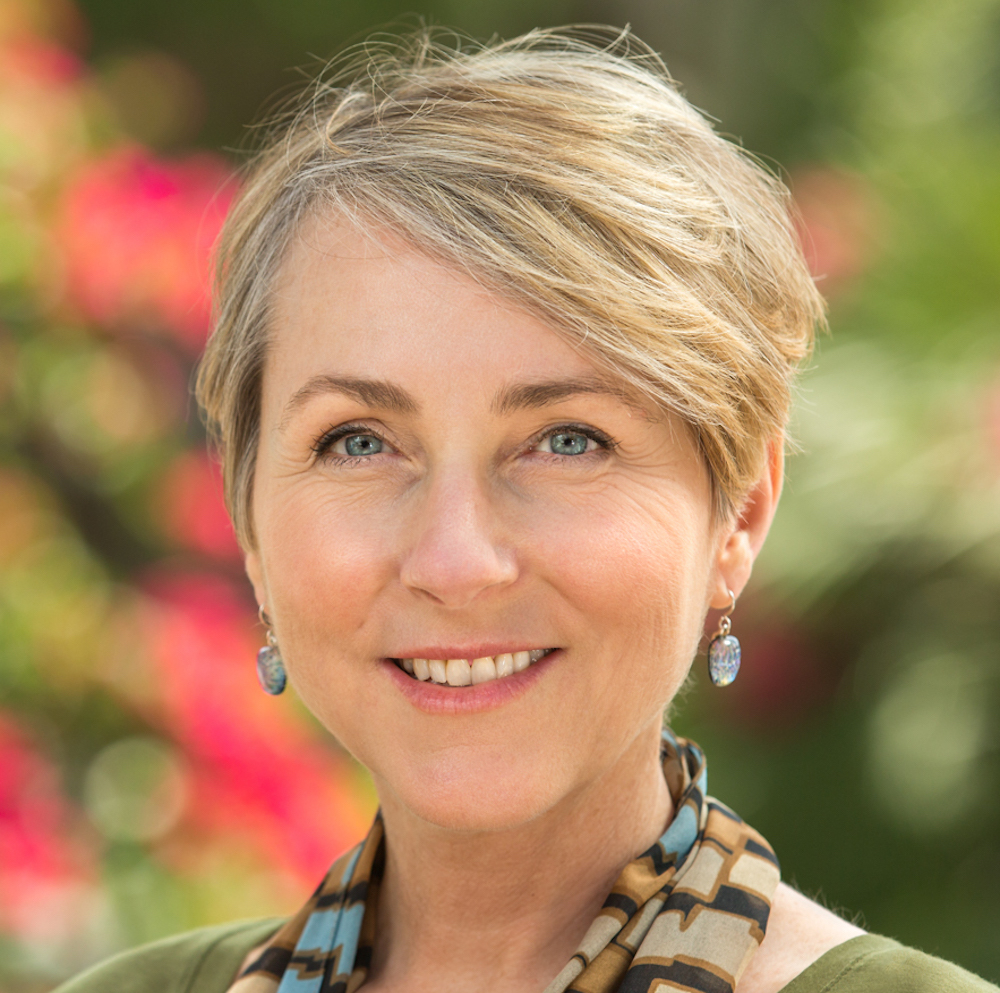
My journey writing this book began as a 5 year-old, sitting next to my mother while she studied for her psychology classes. I wanted so much to be a psychologist and help others. But I needed plenty of help myself. I was an anxious child, prone to stomach aches, missing school, and nightmares of a man who lived under the house. When my father died I worried obsessively that my mother could die too. It wasn’t until years later—after a seeing a succession of therapists, completing counseling grad school, and giving birth to my first child—that I discovered a clue to my persistent anxiety and worry. It was a new therapy at the time, Cognitive-Behavioral Therapy. CBT changed my life. I learned that my resistance to anxiety was what was maintaining it. When I practiced accepting and welcoming it, anxiety began to lose its power over me. For the past 25 years I have made the treatment of anxiety the central focus of my practice. I treat Social Anxiety (extreme shyness), Obsessive-Compulsive Disorder (OCD), Separation Anxiety, Panic Disorder, Phobias, and Generalized Anxiety Disorder. The powerful tools I’ve used to help my clients are the same tools I’ve used to help myself, and they can help you too. Don’t Feed the Monkey Mind is a distillation of what I’ve learned from CBT and mindfulness practices. The book will help you recognize that your anxiety is not a monster to be avoided and resisted. It is only a wild, frightened little monkey that, with acceptance and welcoming, can be tamed. Married for 31 years and a mother of three, I am a Certified Diplomat of The Academy of Cognitive Therapy and a member of the Anxiety and Depression Disorders Association of America, the Association for Behavioral and Cognitive Therapies, the International OCD Foundation and the California Association of Marriage and Family Therapists. I am the co-founder of the Santa Rosa Center for Cognitive-Behavioral Therapy and the author of The Anxiety Survival Guide for Teens and The Shyness and Social Anxiety Workbook for Teens.