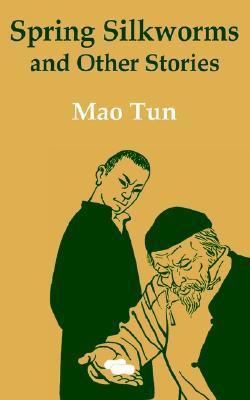
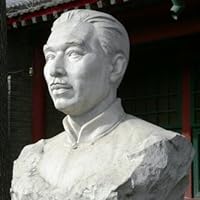
This is a collection of 15 short stories written by the famous Chinese author Mao Tun during the period of 1927-44. Through these stories he depicts Chinese society in the thirties: calamities in the countryside and economic depression, caused by the dual pressure of imperialist aggression and feudal exploitation, as well as the misery of the people and the process of their awakening. He also describes the upheavals experienced by people of various classes and strata during the period of the Japanese invasion. He portrays various characters, including those workers who heroically resisted the enemy; students who took part in movements to save the nation; weak-kneed vacillating petty-bourgeois intellectuals; wealthy capitalists who hated the people and supported the reactionary policies of the Kuomintang government; stock exchange speculators, women employees and young, homeless waifs in the cities. Dealing with a wide range of subjects, this book is a mirror of the old China after the failure of the First Revolutionary Civil War, when it was under reactionary Kuomintang rule. These stories are outstanding for their progressive outlook and artistry. Shen Yanbing (1896-1981), better known by the pen name Mao Tun, was a member of the generation that created a truly vernacular Chinese literature in the early twentieth century. After the founding of the People's Republic of China in 1949, he was named Minister of Culture.