Margins




548 Market St PMB 65688, San Francisco California 94104-5401 USA
© 2026 Paratext Inc. All rights reserved
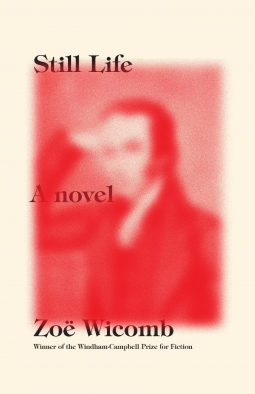
A New York Times Top Historical Fiction Pick of 2020 A stunningly original new novel exploring race, truth in authorship, and the legacy of past exploitation, from the Windham-Campbell lifetime achievement award winner When Zoëml; Wicomb burst onto the literary scene in 1987 with You Can't Get Lost in Cape Town, she was hailed by her literary contemporaries and reviewers alike. Since then, her carefully textured writing has cemented her reputation as being among the most distinguished writers working today and earned her one of the inaugural Windham Campbell Prizes for Lifetime Achievement in Fiction Writing. Wicomb's majestic new novel Still Life juggles with our perception of time and reality as Wicomb tells the story of an author struggling to write a biography of long-forgotten Scottish poet Thomas Pringle, whose only legacy is in South Africa where he is dubbed the "Father of South African Poetry." In her efforts to resurrect Pringle, the writer summons the specter of Mary Prince, the West Indian slave whose History Pringle had once published, along with Hinza, his adopted black South African son. At their side is Sir Nicholas Green, a seasoned time traveler (and a character from Virginia Woolf's Orlando ). Their adventures, as they travel across space and time to unlock the mysteries of Pringle's life, offer a poignant exploration of colonial history and racial oppression.