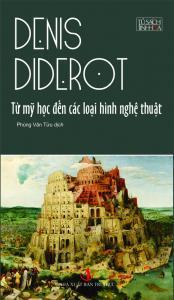



“Người ta từng nói rằng màu sắc đẹp nhất thế gian là cái màu đỏ dễ thương mà vẻ ngây thơ, trẻ trung, khỏe mạnh, nhu mì và bẽn lẽn nhuộm trên đôi má một thiếu nữ; và người ta đã nói một điều không những tinh vi, cảm động và tế nhị mà còn chân thực nữa; bởi vì chính da thịt là cái khó thể hiện nhất; chính cái màu trắng ấy, trắng đều không tái nhợt cũng không xỉn; chính cái hỗn hợp màu đỏ và xanh lam ấy nó chỉ hơi ánh lên phơn phớt; chính là máu, là sự sống chúng làm cho nhà nghệ sĩ tô màu tuyệt vọng. Ai có được ý thức về da thịt là đã tiến một bước dài; mọi cái còn lại so với nó chẳng nghĩa lý gì cả. Ngàn họa sĩ đã chết đi mà chưa cảm nhận được da thịt; ngàn họa sĩ khác cũng sẽ chết mà chưa cảm nhận được nó.” (trích Những ý nghĩ vụn vặt của tôi về màu sắc, Từ mỹ học đến các loại hình nghệ thuật, Denis Diderot, Phùng Văn Tửu dịch, NXB Tri thức, 2013).
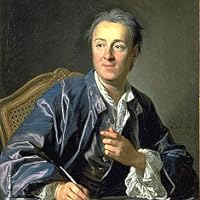
Author

Work on the Encyclopédie (1751-1772), supreme accomplishment of French philosopher and writer Denis Diderot, epitomized the spirit of thought of Enlightenment; he also wrote novels, plays, critical essays, and brilliant letters to a wide circle of friends and colleagues. Jean le Rond d'Alembert contributed. This artistic prominent persona served as best known co-founder, chief editor, and contributor. He also contributed notably to literature with Jacques le fataliste et son maître (Jacques the Fatalist and his Master), which emulated Laurence Sterne in challenging conventions regarding structure and content, while also examining ideas about free will. Diderot also authored of the known dialogue, Le Neveu de Rameau (Rameau's Nephew), basis of many articles and sermons about consumer desire. His articles included many topics. Diderot speculated on free will, held a completely materialistic view of the universe, and suggested that heredity determines all human behavior. He therefore warned his fellows against an overemphasis on mathematics and against the blind optimism that sees in the growth of physical knowledge an automatic social and human progress. He rejected the idea of progress. His opinion doomed the aim of progressing through technology to fail. He founded on experiment and the study of probabilities. He wrote several articles and supplements concerning gambling, mortality rates, and inoculation against smallpox. He discreetly but firmly refuted technical errors and personal positions of d'Alembert on probability.