Margins




548 Market St PMB 65688, San Francisco California 94104-5401 USA
© 2026 Paratext Inc. All rights reserved
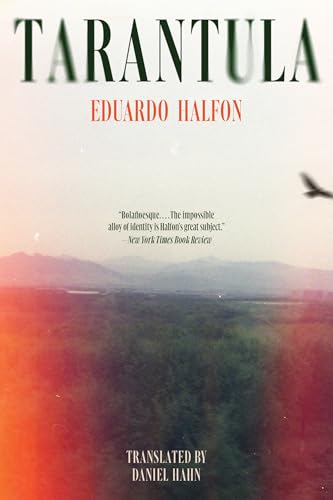
Dark lessons from a childhood sleepaway camp reverberate as Eduardo Halfon probes the inheritance of victimhood In 1984, Eduardo and his younger brother, living in exile for several years in the United States, travel back to their native Guatemala to participate in a Jewish children’s camp in a remote forest of the highland mountains. They no longer know their homeland. They barely speak the language. Their parents had insisted that they spend a few days at the camp to learn not only ways of survival in the wild, but also ways of survival in the wild for Jewish children. It’s not the same, they had been told. Upon their arrival, they are met with the promise of adventure. But early one morning, they are roused from bed and forced to play a sinister game they can’t afford to lose. Many years later, Eduardo, now a father himself and living in Berlin, happens upon a former campmate in Paris who connects him to Samuel Blum—the counselor who kept a snake in his pocket, had what a young Eduardo took for a tarantula crawling down his arm, and offers no apologies for the camp’s disturbing methods.