



Acordo do embalo de contos já olvidados, Penso então nos meus dias de pequenino, Os sinos dobram e, em sapatos prateados, Avança pela noite alva o Jesus Menino. Para o poeta Hermann Hesse, o Natal está sobretudo associado às memórias da infância. Mas, à medida que foi envelhecendo, Hesse começou, progressivamente, a distanciar-se do sentimentalismo comercial e pagão que passou a dominar a festa do amor. As reflexões e os poemas sobre esta celebração reunidos neste pequeno livro, na sua maioria organizados pela ordem cronológica do seu surgimento, traduzem uma dicotomia de reverência e distanciamento trocista sobre esta «festa sempre maravilhosa, apesar de toda a vertigem». Ilustrado com aguarelas do autor.
Author

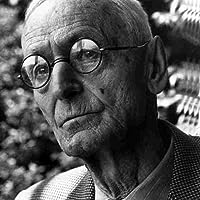
Many works, including Siddhartha (1922) and Steppenwolf (1927), of German-born Swiss writer Hermann Hesse concern the struggle of the individual to find wholeness and meaning in life; he won the Nobel Prize for literature in 1946. Other best-known works of this poet, novelist, and painter include The Glass Bead Game , which, also known as Magister Ludi, explore a search of an individual for spirituality outside society. In his time, Hesse was a popular and influential author in the German-speaking world; worldwide fame only came later. Young Germans desiring a different and more "natural" way of life at the time of great economic and technological progress in the country, received enthusiastically Peter Camenzind , first great novel of Hesse. Throughout Germany, people named many schools. In 1964, people founded the Calwer Hermann-Hesse-Preis, awarded biennially, alternately to a German-language literary journal or to the translator of work of Hesse to a foreign language. The city of Karlsruhe, Germany, also associates a Hermann Hesse prize.