Margins




548 Market St PMB 65688, San Francisco California 94104-5401 USA
© 2026 Paratext Inc. All rights reserved
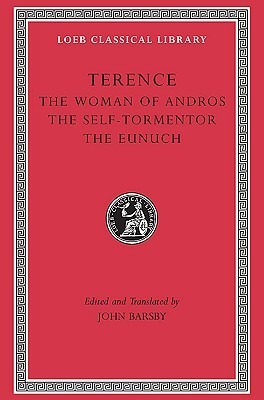
Terence brought to the Roman stage a bright comic voice and a refined sense of style. His six comedies - first produced in the half dozen years before his premature death in 159 B.C. - imaginatively reformulated in Latin plays written by Greek playwrights, especially Menander. For this new Loeb Classical Library edition of Terence, John Barsby gives us a faithful and lively translation with full explanatory notes, facing a freshly edited Latin text. Volume I contains a substantial introduction and three plays: The Woman of Andros, a romantic comedy; The Self-Tormentor, which looks at contrasting father-son relationships; and The Eunuch, whose characters include the most sympathetically drawn courtesan in Roman comedy. The other three plays are in Volume II: Phormio, a comedy of intrigue with an engaging trickster; The Mother-in-Law, unique among Terence's plays in that the female characters are the admirable ones; and The Brothers, which explores contrasting approaches to parental education of sons. The Romans highly praised Terence - whose speech can charm, whose every word delights, in Cicero's words. This new edition of his plays, which replaces the now outdated Loeb translati