Margins




548 Market St PMB 65688, San Francisco California 94104-5401 USA
© 2026 Paratext Inc. All rights reserved
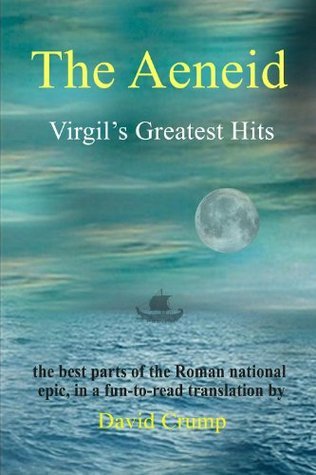
(Translated and Annotated: A unique and original translation of this classic work, annotated with extensive modern notes, context, and explanations.) The epic poem of the fall of Troy, the heroic journey, battles and loves of Aeneas, and the founding of Rome, by the great Latin poet Virgil—as translated, condensed, and explained to modern readers by a professor who uses rhyme and a lively presentation to honor the spirit and true intent of Virgil—without the customary literalism of previous translations. Epic in every way, this is one of the greatest and most entertaining adventure stories ever told. Millions have read and enjoyed it since Virgil first wrote it in the First Century B.C. But The Aeneid has never been presented like this before. It is now condensed to its essential and best parts, with short bridge notes to explain the third or so of the original that is omitted. Explanatory sidenotes and chapter guides place the work and its famous author in historical, thematic, and political context. Most of all, David Crump has translated The Aeneid for the modern ear, complete with the rhythms and rhymes associated with poetry today. Avoiding the stodgy literalism of previous translations, he incorporates the true meaning of each turn and phrase—using the words most accurately registering today for Virgil's work, all to bring the epic to life for a new generation. It will be enjoyed by readers who aren't necessarily Latin scholars. The new ebook edition uses an innovative approach to linking short annotations of key words, names, and places. Instead of footnotes and numbers, the underlined words are coded to jump to the asides much like a webpage or Wikipedia would. Notes stay out of the way for readers who prefer the poem as is, while explanations and trivia are a touch away. Modern and clear formatting makes it a book accessible in digital form without odd spacing and stuffy footnotes. Not just dumped into an ebook jacket from book form, this ebook was constructed with care (though a paperback is also available with side notes along the margins, again avoiding footnotes). Great for classes and casual readers as well. This book is simply fun, and at long last easy to understand and feel the sheer power of Aeneas' epic journey and destiny. Fate has decreed it. Early reviews for this edition of The Aeneid include: “I really, really like it. It’s extremely vivid and readable and exciting, really fun to read. The supplemental material is great, just the right level.” - Casey Dué-Hackney, Center for Hellenic Studies, Harvard University “If you have never had an interest in the classics, this may inspire it. The author gives context and accessibility to the previously obscure and inaccessible.” - Paul R. Rice, Professor and Poet, American University “The informal and appealing style with helpful (and occasionally tongue-in-cheek) notes will make [this book] an accessible introduction to ancient Rome’s greatest epic poem.” - Paul A. Zoch, Veteran High School Latin Teacher, St. Agnes Academy; Author of Ancient Rome: An Introductory History “David Crump’s translation is smooth, refreshing, engaging and definitely very approachable for students. They will love to have notes, comments, and the background necessary to understand what is happening right there on the page as they read!” - Francesca Behr, Latin Professor, University of Houston