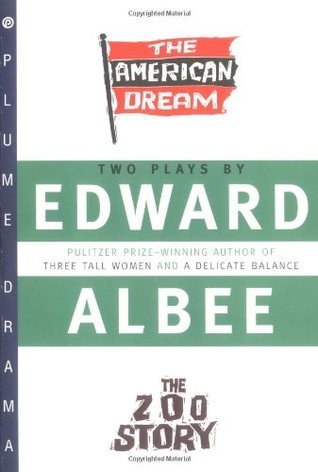



Pulitzer Prize-winning author Edward Albee is one of our most important American playwrights. And nowhere is his dramatic genius more apparent than in two of his probing early works, The American Dream and The Zoo Story. The New Yorker hailed The American Dream as "unique ... brilliant ... a comic nightmare, fantasy of the highest order." The story of one of America's most dysfunctoinal families, it is a ferocious, uproarious attack on the substitution of artificial values for real values-a startling tale of murder and morality that rocks middle-class ethics to its complacent foundations. The Zoo Story is a harrowing depiction of a young man alienated from the human race-a searing story of loneliness and the desperate need for recognition that builds to a violent, shattering climax. Together, these plays show men and women at their most hilarious, heartbreaking, and above all, human-and demonstrate why Edward Albee continues to be one of our greatest living dramatists.
Author

Noted American playwright Edward Franklin Albee explored the darker aspects of human relationships in plays like Who's Afraid of Virginia Woolf? (1962) and Three Tall Women (1991), which won his third Pulitzer Prize. People know Edward Franklin Albee III for works, including The Zoo Story , The Sandbox and The American Dream . He well crafted his works, considered often unsympathetic examinations of the modern condition. His early works reflected a mastery and Americanization of the theater of the absurd, which found its peak in European playwrights, such as Jean Genet, Samuel Barclay Beckett, and Eugène Ionesco. Younger Pulitzer Prize-winner Paula Vogel credits daring mix of theatricalism and biting dialogue of Albee with helping to reinvent the postwar theater in the early 1960s. Dedication of Albee to continuing to evolve his voice—as evidenced in later productions such as The Goat or Who Is Sylvia? (2000) — also routinely marks him as distinct of his era. Albee described his work as "an examination of the American Scene, an attack on the substitution of artificial for real values in our society, a condemnation of complacency, cruelty, and emasculation and vacuity, a stand against the fiction that everything in this slipping land of ours is peachy-keen."