"Look into the eyes of a child—-you cannot find anything deeper. The eyes of a child are an abyss, there is no bottom to them." —-Osho Children have an authentic freedom. They are joyful, playful, and naturally creative. But by the time they grow up, most children have been sacrificed to the gods of "productivity" and good behavior to the extent that only nostalgia for childhood remains. Osho says, "It is the child's experience that haunts intelligent people their whole life. They want it again—-the same innocence, the same wonder, the same beauty." And while each adult generation may vow, with the best of intentions, not to repeat the mistakes of the past, they inevitably find themselves imposing their own inherited limitations on new generations to come. This book calls for a "children's liberation movement" to break through old patterns and create opportunities for an entirely new way of relating as human beings. It is a guide for grown-ups to become aware of their own conditioning as they relate to the children in their lives. And, with that awareness, to learn when to nurture and protect and when to get out of the way, so that children can flower into their highest potential and greatest capacity for joy.
Author
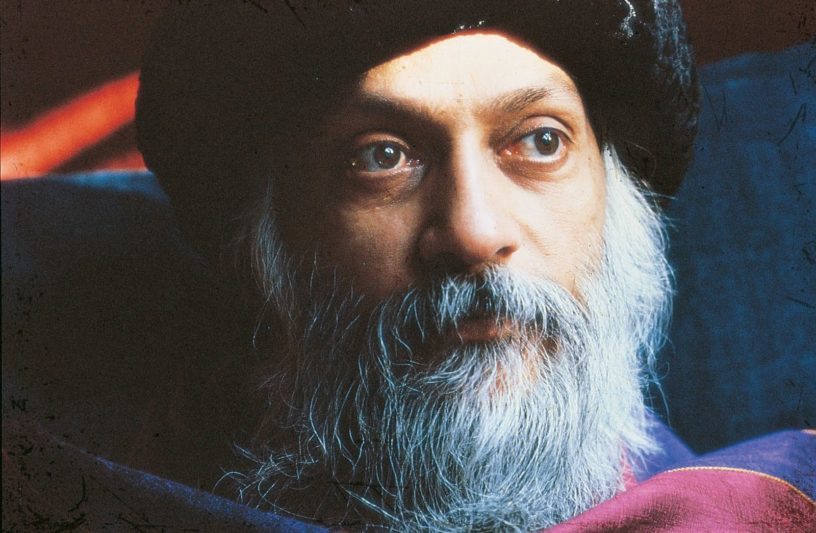
Rajneesh (born Chandra Mohan Jain, 11 December 1931 – 19 January 1990) and latter rebranded as Osho was leader of the Rajneesh movement. During his lifetime he was viewed as a controversial new religious movement leader and mystic. In the 1960s he traveled throughout India as a public speaker and was a vocal critic of socialism, Mahatma Gandhi, and Hindu religious orthodoxy. Rajneesh emphasized the importance of meditation, mindfulness, love, celebration, courage, creativity and humor—qualities that he viewed as being suppressed by adherence to static belief systems, religious tradition and socialization. In advocating a more open attitude to human sexuality he caused controversy in India during the late 1960s and became known as "the sex guru". In 1970, Rajneesh spent time in Mumbai initiating followers known as "neo-sannyasins". During this period he expanded his spiritual teachings and commented extensively in discourses on the writings of religious traditions, mystics, and philosophers from around the world. In 1974 Rajneesh relocated to Pune, where an ashram was established and a variety of therapies, incorporating methods first developed by the Human Potential Movement, were offered to a growing Western following. By the late 1970s, the tension between the ruling Janata Party government of Morarji Desai and the movement led to a curbing of the ashram's development and a back taxes claim estimated at $5 million. In 1981, the Rajneesh movement's efforts refocused on activities in the United States and Rajneesh relocated to a facility known as Rajneeshpuram in Wasco County, Oregon. Almost immediately the movement ran into conflict with county residents and the state government, and a succession of legal battles concerning the ashram's construction and continued development curtailed its success. In 1985, in the wake of a series of serious crimes by his followers, including a mass food poisoning attack with Salmonella bacteria and an aborted assassination plot to murder U.S. Attorney Charles H. Turner, Rajneesh alleged that his personal secretary Ma Anand Sheela and her close supporters had been responsible. He was later deported from the United States in accordance with an Alford plea bargain.[ After his deportation, 21 countries denied him entry. He ultimately returned to India and a revived Pune ashram, where he died in 1990. Rajneesh's ashram, now known as OSHO International Meditation Resort and all associated intellectual property, is managed by the Zurich registered Osho International Foundation (formerly Rajneesh International Foundation). Rajneesh's teachings have had a notable impact on Western New Age thought, and their popularity has increased markedly since his death.