Margins




548 Market St PMB 65688, San Francisco California 94104-5401 USA
© 2026 Paratext Inc. All rights reserved
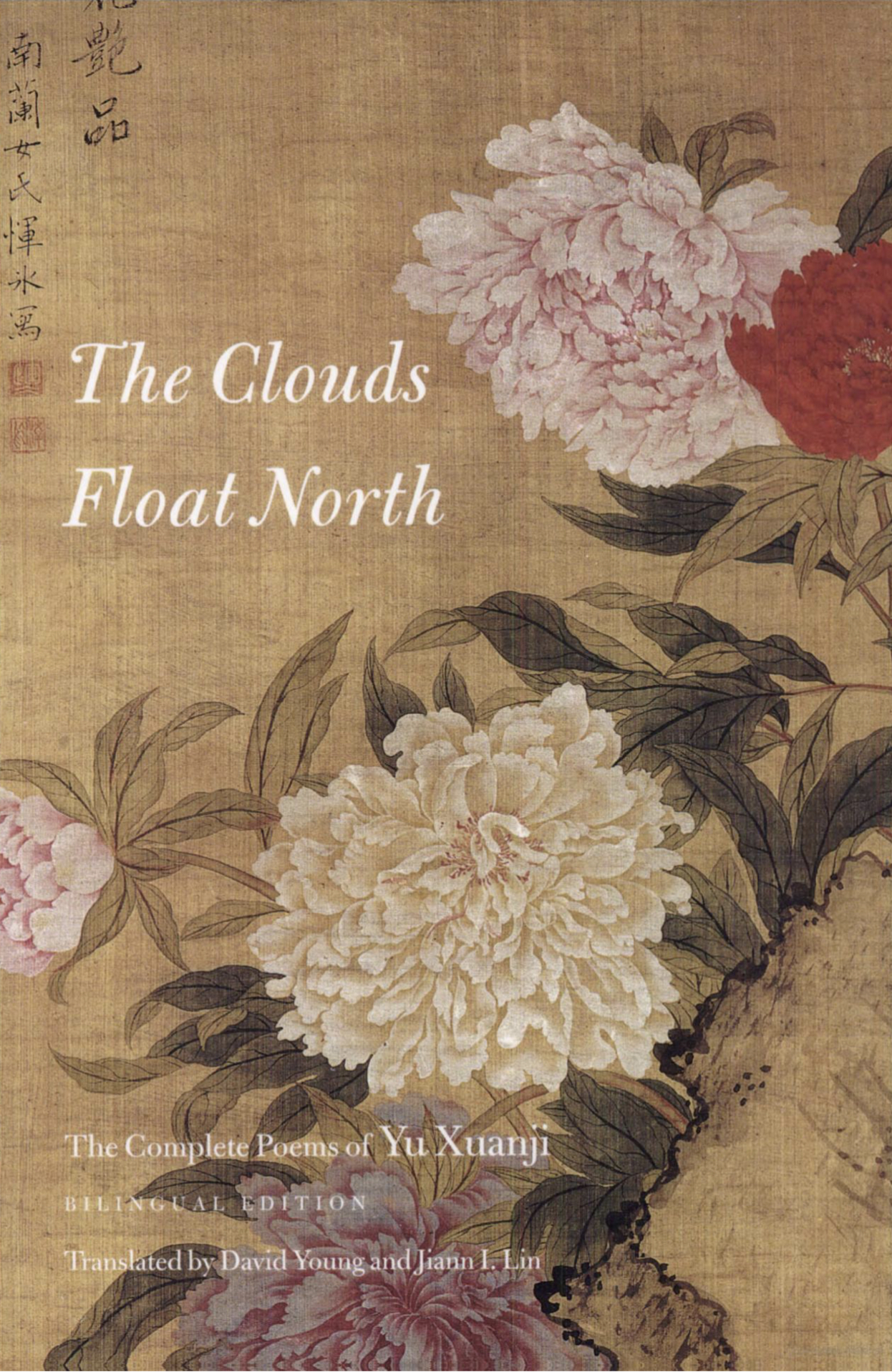
"Outside of her remarkable poems, we know next to nothing about Yu Xuanji," David Young writes. "She was born in 844 and died in 868, at the age of twenty-four, condemned to death for the murder of her maid...We owe the survival of her forty-nine poems to the ancient Chinese anthologists' urge to be complete." The poems gathered in this bilingual (Chinese/English) edition will be read again and again for their beauty. The works preserve Yu Xuanji's passion, her sharp eye for detail, her often witty variations on familiar Chinese themes, all of which give the poems an immediacy one rarely finds in ancient, translated texts. Poems addressed to Yu Xuanji's husband and to other men (some famous poets) and women give us some sense of her relationships; the book also includes other traditional Chinese forms such as meditations on landscapes and occasional poems commemorating feast days. As noted in the introduction, the poetry also provokes us to think about the act of writing, about the culture and politics of the T'ang Dynasty, and about gender.