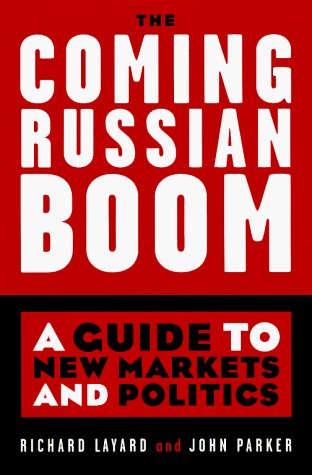
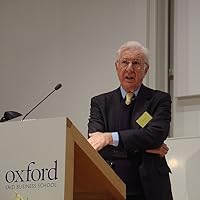
Since the fall of the Soviet empire in 1991, Westerners have been speculating about the future of its vast and long-oppressive economy. Politicians, economists, and businesspeople alike have watched with great interest as the new Russia has scrambled to get on its feet. As support for the communists has waned and waxed, Westerners have worried: Are Russia's troubles merely the growth pains of a rich new market waiting to take off? Or should businessmen and tourists stay away? The bottom line, argue Richard Layard and John Parker, is a healthy and strong one. Democracy and free markets have taken root in Russia for good. The authors offer a soup-to-nuts analysis of the Russian economy, along with its political and social underpinnings, to demonstrate just how successful the reforms have been and what they mean for Western businessmen. Layard and Parker argue that Russia has passed the crucial point of dependency on Boris Yeltsin; it has built a successful multiparty democracy; and it has passed through the worst of the economic aftershocks of communism. Inflation is finally under control, and with the growing success of privatization, many opportunities have emerged for both Russians and foreigners. Political shifts notwithstanding, Layard and Parker foresee a bright future for Russia, graced by strong economic growth, based on private enterprise. They argue that Russia's economy will grow faster over the next twenty years than most emerging markets, and that foreigners will reap good returns from investing in its markets and its amazing natural resources. The Coming Russian Boom introduces Westerners to a Russia that is far healthier and more promising than the one they have read about in the papers, and shows how the greatest political-economic challenge of the post-Cold War world has become a resounding and exemplary triumph. It offers specific suggestions and guidelines for entrepreneurs, investors, and analysts. And it uses underlying economic structure to illuminate the surface confusion that will always be Russia.