Margins




548 Market St PMB 65688, San Francisco California 94104-5401 USA
© 2026 Paratext Inc. All rights reserved
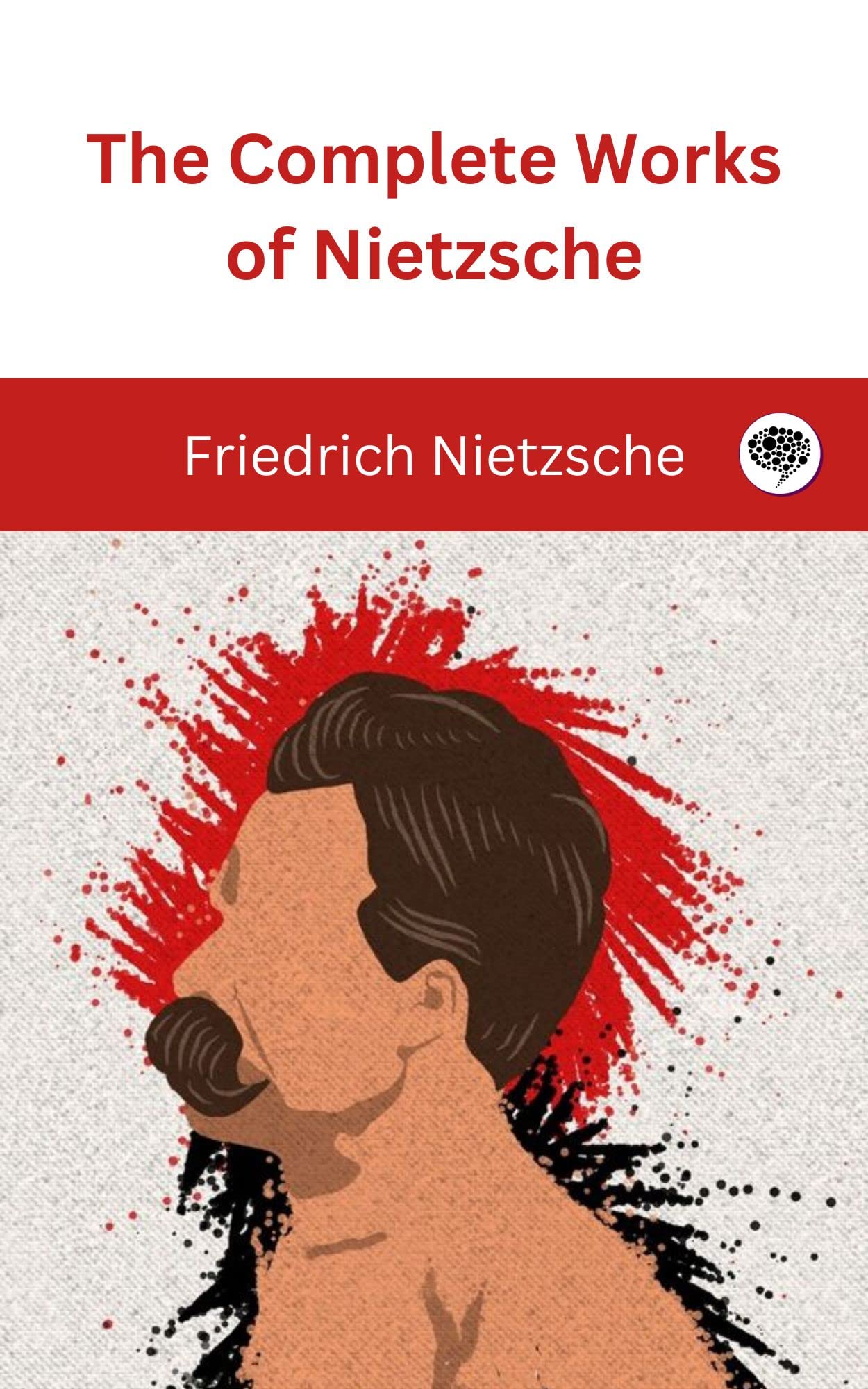
This is a complete collection of all the novels written by the German philosopher Friedrich Nietzsche - Thus Spoke Zarathustra, Beyond Good and Evil, On the Genealogy of Morals, The Anti-Christ, The Gay Science, The Birth of Tragedy, Ecce Homo, Human All Too Human, Twilight of the Idols, The Will to Power, The Case of Wagner, Untimely Meditations, The Dawn of Day, On Truth and Lies in a Nonmoral Sense, Philosophy in the Tragic Age of the Greeks, and Nietzsche Contra Wagner. Regarded as one of the most profound German philosophers, Friedrich Nietzsche is popularly considered a cultural critic and philologist whose work exerted a scholarly influence on modern intellectual history. His intellectual works focus on widespread themes such as religion, morality, philosophy, and science. Prominent elements of his philosophy include his radical critique of truth, a genealogical criticism of religion, and Christian morality. His body of work touched a wide range of topics, including art, philology, history, music, tragedy, and culture, most of which drew inspiration from Greek tragedy.