Books in series
#1
Childhood
1967
The first volume in The Copenhagen Trilogy, the searing portrait of a woman's journey through love, friendship, ambition and addiction, from one of Denmark's most celebrated twentieth-century writers
Tove knows she is a misfit, whose childhood is made for a completely different girl. In her working-class neighbourhood in Copenhagen, she is enthralled by her wild, red-headed friend Ruth, who initiates her into adult secrets. But Tove cannot reveal her true self to her or to anyone else. For 'long, mysterious words begin to crawl across my soul', and she comes to realize that she has a vocation, something unknowable within her - and that she must one day, painfully but inevitably, leave the narrow street of her childhood behind.
Childhood, the first volume in The Copenhagen Trilogy, is a visceral portrait of girlhood and female friendship, told with lyricism and vivid intensity.
#2
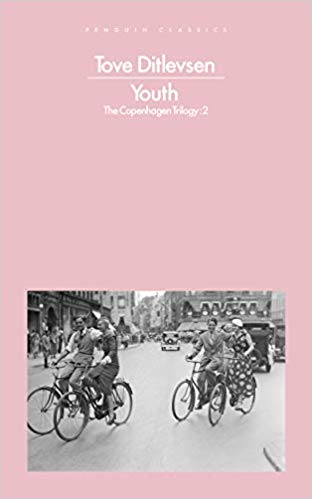
Youth
1967
The second volume in The Copenhagen Trilogy, the searing portrait of a woman's journey through love, friendship, ambition and addiction, from one of Denmark's most celebrated twentieth-century writers
Forced to leave school early, Tove embarks on a chequered career in a string of low-paid, menial jobs. But she is hungry: for poetry, for love, for real life to begin. As Europe slides into war, she must navigate exploitative bosses, a Nazi landlady and unwelcome sexual encounters on the road to hard-won independence. Yet she remains ruthlessly determined in the pursuit of her poetic vocation - until at last the miracle she has always dreamed of appears to be within reach.
Youth, the second volume in The Copenhagen Trilogy, is a strikingly honest and immersive portrait of adolescence, filled with biting humour, vulnerability and poeticism.
#3
Dependency
1971
The final volume in The Copenhagen Trilogy, the searing portrait of a woman's journey through love, friendship, ambition and addiction, from one of Denmark's most celebrated twentieth-century writers
Tove is only twenty, but she's already famous, a published poet and wife of a much older literary editor. Her path in life seems set, yet she has no idea of the struggles ahead - love affairs, wanted and unwanted pregnancies, artistic failure and destructive addiction. As the years go by, the central tension of Tove's life comes into painful focus: the terrible lure of dependency, in all its forms, and the possibility of living freely and fearlessly - as an artist on her own terms.
The final volume in The Copenhagen Trilogy, and arguably Ditlevsen's masterpiece, Dependency is a dark and blisteringly honest account of addiction, and the way out.

#1-3
The Copenhagen Trilogy
1967
Called a masterpiece by The New York Times, the acclaimed trilogy from Tove Ditlevsen, a pioneer in the field of genre-bending confessional writing
Tove Ditlevsen is today celebrated as one of the most important and unique voices in twentieth-century Danish literature, and The Copenhagen Trilogy (1969-71) is her acknowledged masterpiece. Childhood tells the story of a misfit child's single-minded determination to become a poet; Youth describes her early experiences of sex, work, and independence. Dependency picks up the story as the narrator embarks on the first of her four marriages and goes on to describe her horrible descent into drug addiction, enabled by her sinister, gaslighting doctor-husband.
Throughout, the narrator grapples with the tension between her vocation as a writer and her competing roles as daughter, wife, mother, and drug addict, and she writes about female experience and identity in a way that feels very fresh and pertinent to today's discussions around feminism. Ditlevsen's trilogy is remarkable for its intensity and its immersive depiction of a world of complex female friendships, family and growing up--in this sense, it's Copenhagen's answer to Elena Ferrante's Neapolitan Novels. She can also be seen as a spiritual forerunner of confessional writers like Karl Ove Knausgaard, Annie Ernaux, Rachel Cusk and Deborah Levy. Her trilogy is drawn from her own experiences but reads like the most compelling kind of fiction.
Born in a working-class neighborhood in Copenhagen in 1917, Ditlevsen became famous for her poetry while still a teenager, and went on to write novels, stories and memoirs before committing suicide in 1976. Having been dismissed by the critical establishment in her lifetime as a working-class, female writer, she is now being rediscovered and championed as one of Denmark's most important modern authors, with Tove fever gripping readers.
#1-2
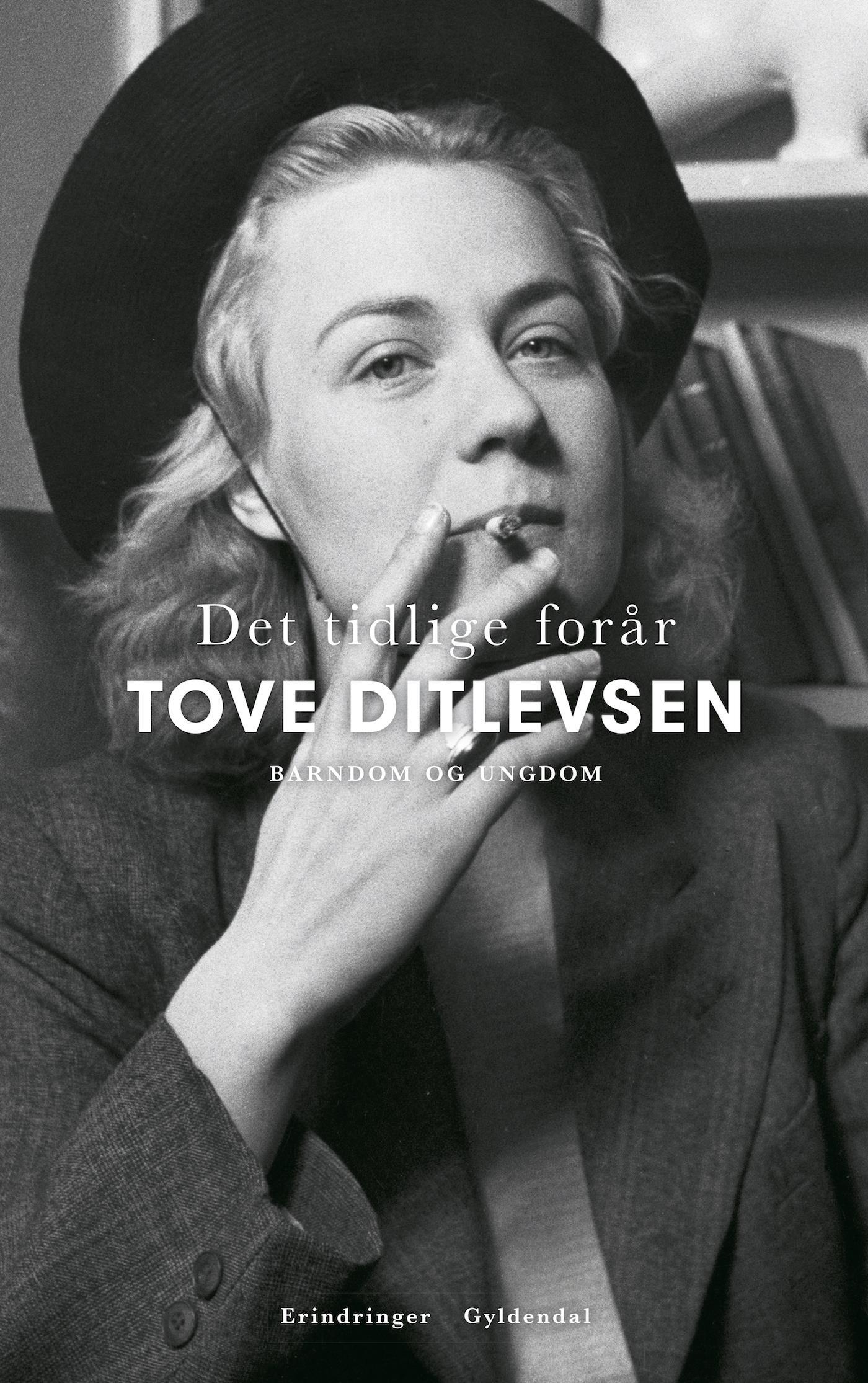
Det tidlige forår
Barndom og ungdom
1969
„Barndommen er lang og smal som en kiste, og man kan ikke slippe ud af den ved egen hjælp. Den er der hele tiden, og alle kan se den lige så tydeligt, som man kan se Smukke-Ludvigs hareskår. Det er med ham ligesom med Smukke-Lili, der er så grim, at man ikke kan forestille sig, hun nogensinde har haft en mor. Alt hvad der er grimt eller uheldigt, kalder man smukt, og ingen ved hvorfor. Man kan ikke slippe ud af barndommen, og den hænger ved en som en lugt. Man kan mærke den hos andre børn, og hver barndom har sin egen lugt. Man kender ikke sin egen og er sommetider bange for, at den er værre end de andres. Man står og taler med en anden pige, hvis barndom lugter af aske og kul, og pludselig træder hun et skridt tilbage, for hun har mærket den frygtelige stank af ens egen barndom."
Det tidlige forår er den samlede udgave af Tove Ditlevsens to første erindringsbøger Barndom og Ungdom. Sammen med denne bogs efterfølger Gift står Tove Ditlevsens erindringsbøger som et hovedværk i dansk litteratur.
Author
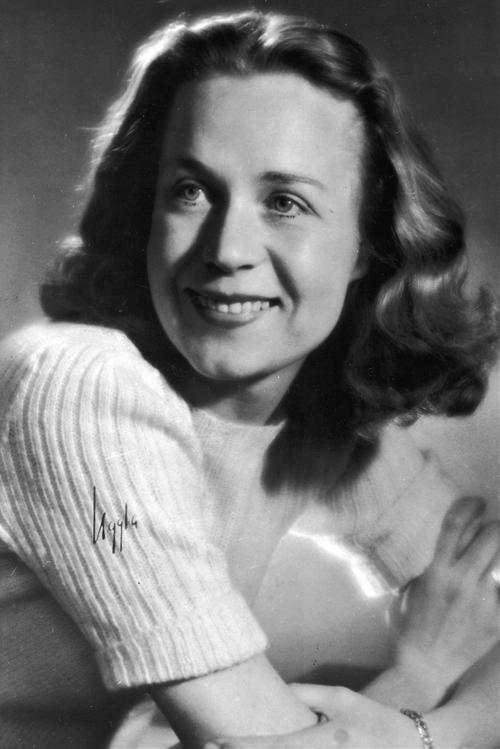
Tove Ditlevsen
Author · 34 books
Tove Ditlevsen var en dansk forfatter, som hentede inspiration i sit eget liv som kvinde. I sin digtning og som yndet brevkasseredaktør i Familie Journalen udfoldede hun en dyb psykologisk indsigt i moderne kvinders splittede liv. Hendes evne til at udtrykke sammensatte følelser i et enkelt og smukt sprog fik betydning for flere generationer af læsere.