Margins




548 Market St PMB 65688, San Francisco California 94104-5401 USA
© 2026 Paratext Inc. All rights reserved
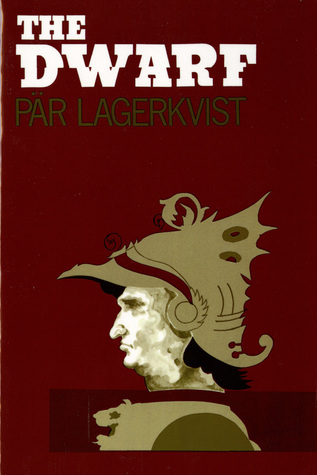
"I have noticed that sometimes I frighten people; what they really fear is themselves. They think it is I who scare them, but it is the dwarf within them, the ape-faced manlike being who sticks up his head from the depths of their souls." Pär Lagerkvist's richly philosophical novel The Dwarf is an exploration of individual and social identity. The novel, set in a time when Italian towns feuded over the outcome of the last feud, centers on a social outcast, the court dwarf Piccoline. From his special vantage point Piccoline comments on the court's prurience and on political intrigue as the town is gripped by a siege. Gradually, Piccoline is drawn deeper and deeper into the conflict, and he inspires fear and hate around him as he grows to represent the fascination of the masses with violence.