A first of its kind, accessible, in-depth resource for leading effective white racial affinity groups—an essential tool in anti-racism for building the skills and perspectives needed for white people to challenge racism. While there are a few short articles and guides addressing the challenges and complexities of leading white affinity groups, there has never been a detailed handbook exclusively for white racial affinity group facilitators. There are many challenges in facilitating these groups including the need to have a deep theoretical understanding of racism; a high degree of racial self-awareness; sensitivity to and the ability to work with the range of skills and degrees of awareness participants bring; and strong facilitation and conflict resolution skills. The Facilitator’s Guide for White Affinity Groups is the first in-depth guide for educators, mediators, workplace consultants and trainers, workplace diversity groups, community organizers, conference organizers, members of faith communities, and members of racial and social justice groups. Dr. Robin DiAngelo and Amy Burtaine, who collectively bring over 20 years of experience leading anti-racist education and racial affinity groups · a theoretical framework for understanding racism; · a case for the value of racial affinity groups as a tool for challenging racism; · guidelines for setting up affinity groups in a variety of contexts; · the skills and perspectives needed for effective facilitation; · scenarios to illustrate common challenges; · a glossary of definitions; · exercises, discussion prompts, and assessment tools. · an extensive list of common patterns and group dynamics and how to address them Written accessibly for a wide range of readers and backgrounds, The Facilitator’s Guide for White Affinity Groups will be an important reference for anyone committed to anti-racism work.
Author
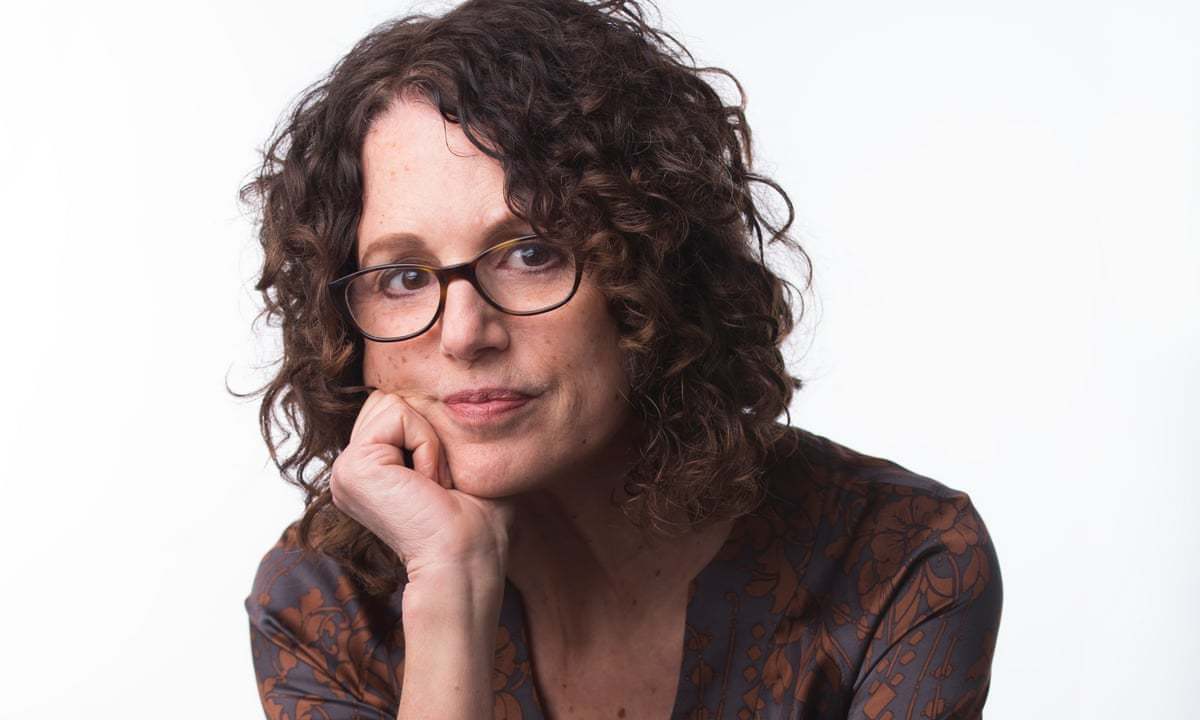
Robin J. DiAngelo is an American academic, lecturer, and author working in the fields of critical discourse analysis and whiteness studies. She formerly served as a tenured professor of multicultural education at Westfield State University and is currently an Affiliate Associate Professor of Education at the University of Washington in Seattle. She is known for her work pertaining to white fragility, a term which she coined in 2011. In a 2011 academic paper she first put forward the concept of white fragility, the notion that the tendency for white people to become defensive when confronted with their racial advantage functions to protect and maintain that advantage.