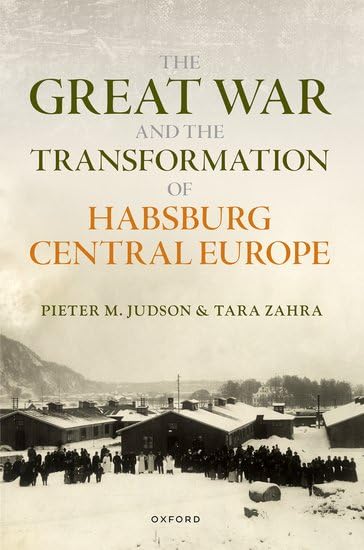
The Great War and the Transformation of Habsburg Central Europe
2025
The world's eyes were on Austria-Hungary on June 28, 1914. But both inside and outside of Austria, few could imagine the dramatic consequences of the events in Sarajevo. The popular shock and anger that greeted the assassination did not mean war was a likely or necessary outcome - or, moreover, that the Monarchy itself was destined to disintegrate.
The Great War and the Transformation of Habsburg Central Europe examines how the First World War transformed the multinational Austro-Hungarian Monarchy into a fractured landscape of mistrust, scarcity, and dissolution and laid the foundation for the new postwar world. The outcome of the war is not, it argues, evidence of the inherent fragility of multinational polities, and Austria-Hungary was not inevitably doomed to collapse on the eve of the war. Instead, it contends that the Habsburg state laid the groundwork for its own dissolution by turning on its citizens. By imposing military rule, suspending civil rights, fostering suspicions among its citizens based on the languages they spoke, and failing to secure enough food to feed the population, the Habsburg state both created new and exacerbated existing regional, local, religious, and national antagonisms. Over time, severe hardships on the home front, in occupied territories, and in refugee and prisoner-of-war camps spurred widespread resentment and eroded loyalty to the monarchy. But even as the empire frayed, the war inspired innovative institutions, social welfare measures, and new understandings of citizenship that continued to influence postwar Europe.
By analyzing these experiences at multiple scales - local, imperial, and international - award-winning historians Pieter Judson and Tara Zahra here reframe the history of the late Habsburg Monarchy. Taking a deliberately broad chronology, they demonstrate that the war can no longer be treated as a mere postscript to Austria-Hungary's biography. Instead, the war was a constitutive factor in the Empire's dissolution, in the domestic relations that structured society in the successor states, and in the birth of the new world order institutionalized by the Paris Peace Conferences. Both the experience and outcome of the First World War in the Habsburg Monarchy held implications that extended far beyond its borders, and beyond the lives of its forty-eight million citizens.