Margins
The Heibonsha Survey of Japanese Art book cover 1
The Heibonsha Survey of Japanese Art book cover 2
The Heibonsha Survey of Japanese Art book cover 3
The Heibonsha Survey of Japanese Art
Series · 16
books · 1960-1979

Books in series

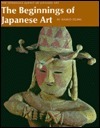
The Beginnings of Japanese Art book cover
#2

The Beginnings of Japanese Art

1973

English, Japanese (translation)
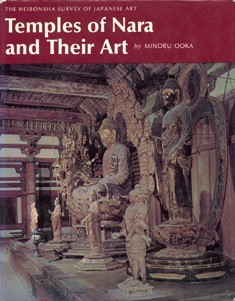
Temples of Nara and Their Art book cover
#7

Temples of Nara and Their Art

1973

Excellent Book
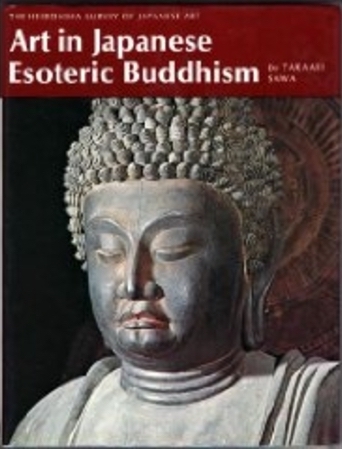
Art in Japanese Esoteric Buddhism (The Heibonsha Survey of Japanese Art, 8) book cover
#8

Art in Japanese Esoteric Buddhism (The Heibonsha Survey of Japanese Art, 8)

1972

English, Japanese (translation)
Heian Temples book cover
#9

Heian Temples

Byodo-in and Chuson-ji

1976

The Heibonsha Survey of Japanese Art, V.
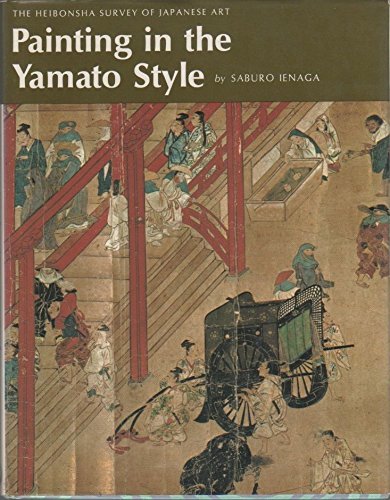
Painting in the Yamato Style book cover
#10

Painting in the Yamato Style

1976

English, Japanese (translation)
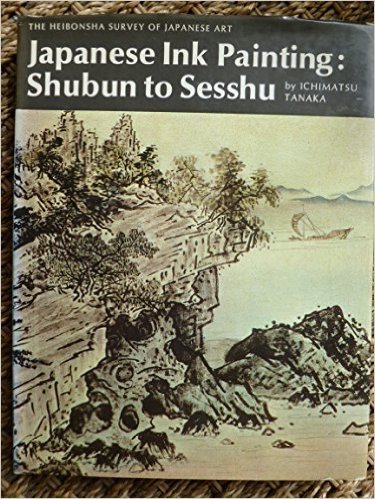
Japanese Ink Painting book cover
#12

Japanese Ink Painting

Shubun to Sesshu

1972

The present book, abundantly illustrated with more than 180 photographs, of which 24 are in full color, traces the development of ink painting in Japan within the context of the country's emergence from the cultural influence of China some five centuries ago. In describing this transition, the author draws from the rich treasury of Japanese ink painting to illuminate his discussion. The works of Shubun and Sesshu represent, for this era, the beginning and the culmination of Japan's development of a painting style uniquely its own. Shubun, a Zen priest-painter active during the mid-fifteenth century, painted landscapes that showed a strong reliance on Chinese precedents and the established art academy in Kyoto. Nevertheless, instead of catering to the demands of the aristocracy, he and the members of his school painted for their own contemplation, thus initiating a shift toward greater independence. Sesshu, who died in 1506, was the first Japanese painter to create a purely individual style. Though he too was influenced by the great artist-teachers of Sung China, he went beyond their achievements by adding qualities of softness and grace that were intrinsically his own and were intimately related to the Japanese setting in which he worked. Escaping the restrictions of Kyoto, the ancient capital and center of culture, he went to the provinces, where he painted some of his most celebrated landscapes and assembled the coterie of followers who were to succeed him. By re-creating the artistic and social scene in which Shubun and Sesshu worked, as well as by presenting and discussing the important work of their predecessors, the book provides the background essential to an appreciation of Japanese ink painting. The author skillfully guides the reader to a basic understanding of artistic trends during one of the most significant stages in Japan's development of a great cultural tradition.

Feudal Architecture of Japan book cover
#13

Feudal Architecture of Japan

1973

English, Japanese (translation)
Momoyama Decorative Painting book cover
#14

Momoyama Decorative Painting

1975

English, Japanese (translation)
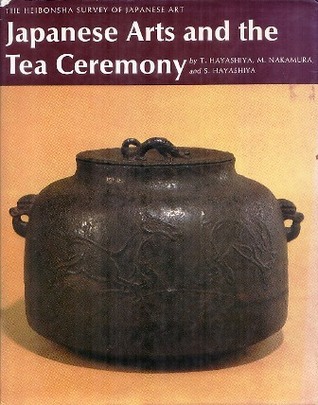
Japanese Arts and the Tea Ceremony book cover
#15

Japanese Arts and the Tea Ceremony

1974

Photographs of tearoom, ancient pottery, and garden architecture illustrate an account of the traditions, history, religious and social significance, and charm of the tea ceremony
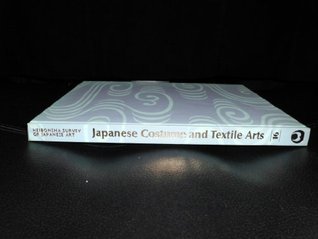
Japanese Costume and Textile Arts book cover
#16

Japanese Costume and Textile Arts

1975

Emphasizes the kosode and costumes of the Noh theater in discussing the evolution of the textile arts in relation to Japanese social history
Momoyama Genre Painting book cover
#17

Momoyama Genre Painting

1974

Book by Yamane, Yuzo
Edo Architecture book cover
#20

Edo Architecture

Katsura And Nikko

1975

English, Japanese (translation)
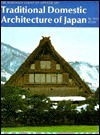
Traditional Domestic Architecture of Japan book cover
#21

Traditional Domestic Architecture of Japan

1972

Dust jacket "Traditional Japanese domestic architecture is epitomized in the the houses of the common people built during the feudal age that preceded Japan's entry into the modern world in the late nineteenth century. Of the many forms in which the Japanese architectural genius has expressed itself, probably none has more immediate appeal for the Westerner than these commoners' dwellings in country and in town. Their functional beauty and quiet understatement reflect a tradition of design and craftsmanship that commands the admiration of professional architect and layman alike. In fact, modern architects, both Japanese and Western, have found in the minka a source of inspiration for new concepts of design and the effective use of space....\[T\]hey embody the ideals of Japanese domestic architecture in their most vital form. In a word, the minka is the essentiail Japanese house. In this engagingly written and generously illustrated book, the reader is introduced to the minka in all its significant its place in Japanese architectural history and in the social scene of the feudal age, its structural variety, its adaptation to environmental conditions, its role as a symbol of social status, and its functional and aesthetic values. At the same time, the book gives appropriate attention to the people who built these houses and lived in them - the farmers, the townsmen, the merchants, the lower-level government officials, the innkeepers, the less affluent samurai - and to the variations in structure and style determined by the occupations and preferences of the owners. Of particular interest is the wealth of detail in which the distinguishing features of the minka style are presented and discussed. The abundant photographs (19 in full color and well over 100 in black and white), drawings, and other illustrations cover the full range of achievement in the minka form during some three centuries."
Japanese Art in World Perspective book cover
#25

Japanese Art in World Perspective

A Translation Heibonsha Survey of Japanese Art (The Heibonsha Survey of Japanese Art, V. 25)

1976

English, Japanese (translation)
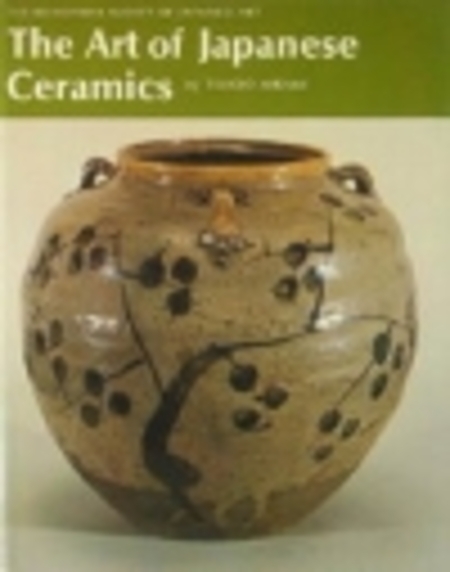
The Art of Japanese Ceramics book cover
#29

The Art of Japanese Ceramics

1960

Very good condition, with original paper jacket; first English Edition, 1972. Printed in Japan. Very slightly yellowed pages.
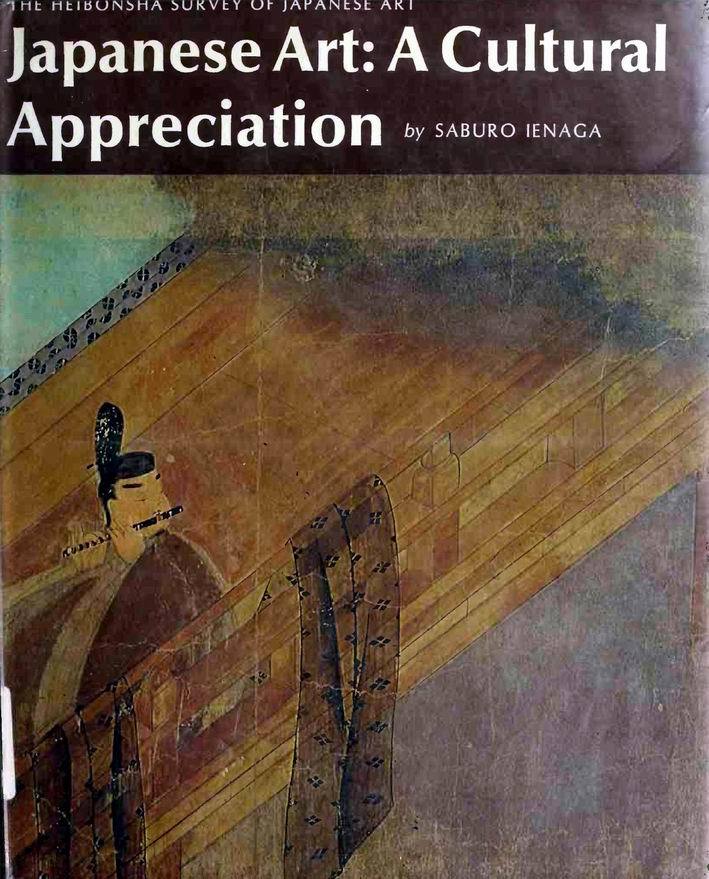
Japanese Art book cover
#30

Japanese Art

A Cultural Appreciation

1979

Considers the influence of social and historical situations upon the development and growth of Japanese arts and crafts from prehistoric times to the late nineteenth century

Authors

Hayashiya Seizo
Author · 1 book
Expert on Oriental ceramics.
Saburo Ienaga
Author · 3 books
Saburo Ienaga was a Japanese historian famous for controversies regarding school history textbooks. In 1953, the Japanese Ministry of Education published a textbook by Ienaga, but censored what they said were factual errors and matters of opinion, regarding Japanese war crimes. Ienaga undertook a series of law suits against the Ministry for violation of his freedom of speech. He was nominated for the Nobel Peace Prize in 1999 and 2001 by Noam Chomsky among others
548 Market St PMB 65688, San Francisco California 94104-5401 USA
© 2026 Paratext Inc. All rights reserved