Margins




548 Market St PMB 65688, San Francisco California 94104-5401 USA
© 2026 Paratext Inc. All rights reserved
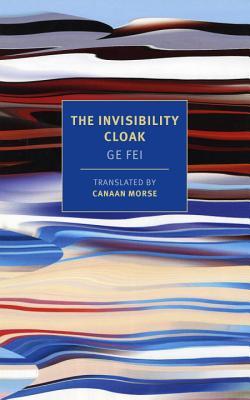
An NYRB Classics Original The hero of The Invisibility Cloak lives in contemporary Beijing—where everyone is doing their best to hustle up the ladder of success while shouldering an ever-growing burden of consumer goods—and he’s a loser. Well into his forties, he’s divorced (and still doting on his ex), childless, and living with his sister (her husband wants him out) in an apartment at the edge of town with a crack in the wall the wind from the north blows through while he gets by, just, by making customized old-fashioned amplifiers for the occasional rich audio-obsessive. He has contempt for his clients and contempt for himself. The only things he really likes are Beethoven and vintage speakers. Then an old friend tips him off about a special job—a little risky but just don’t ask too many questions—and can it really be that this hopeless loser wins? This provocative and seriously funny exercise in the social fantastic by the brilliantly original Ge Fei, one of China’s finest living writers, is among the most original works of fiction to come out of China in recent years. It is sure to appeal to readers of Haruki Murakami and other fabulists of contemporary irreality.