Margins




548 Market St PMB 65688, San Francisco California 94104-5401 USA
© 2026 Paratext Inc. All rights reserved
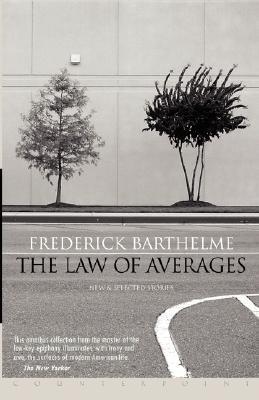
Twenty years ago Frederick Barthelme began publishing stories that turned readers' expectations on their heads. In The New Yorker, Esquire, GQ, and elsewhere he published story after story that confounded the prevailing literary assumptions, treating our very ordinary lives with a new kind of careful and loving attention and imagination. He wrote intimate, funny, odd, detailed, laugh-out-loud stories about relationships that almost happen and ones that almost don't, about the ways we look at each other when we mean things we cannot bring ourselves to say. Before there were slackers, or kids in parking lots, or stories that took the mundane seriously, there were these prescient stories by Frederick Barthelme. He took a post-ironic stance before the post-ironic had a name. He took fiction where few were then willing to go, took as his subject small romances, private fears, suburban estrangement, office angst, cultural isolation, apparently insignificant humiliations, and the growing information surplus (CNN is a sociological novel, he once remarked). He wrote—and continues to write—with a laser-surgery precision that stuns and delights both readers and critics. If he arrived at the new-literature party a little earlier than the other guests, he has not left early, and is thus well represented in The Law of Averages, with old and new stories side by side, ready to give up their abundant pleasures.