Margins




548 Market St PMB 65688, San Francisco California 94104-5401 USA
© 2026 Paratext Inc. All rights reserved
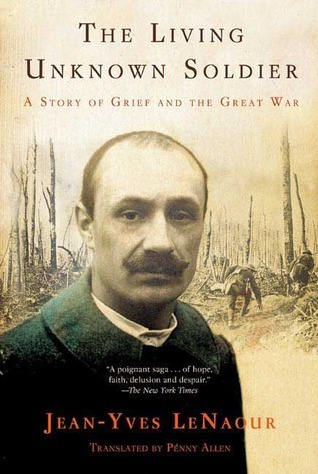
The powerful story of a soldier who lost his memory and identity, and of a people in mourning who found in him their own missing men In February 1918, a derelict soldier was discovered wandering the railway station in Lyon, France. With no memory of his name or past, no identifying possessions, marks, or documents, the soldier-given the name Anthelme Mangin-was sent to an asylum for the insane. When, after the Great War ended, the authorities placed the soldier's image in advertisements to locate his family, hundreds of "relatives" claimed him-as their father, son, husband, or brother who had failed to return from the front. Marshaling a vast array of original material, from letters and newspaper articles to accounts of battlefield deaths, hospital reports, and police files, French historian Jean-Yves Le Naour meticulously re-creates the long-forgotten story of the single soldier who came to stand for a lost generation. With humane sympathy and the skill of a novelist, Le Naour recounts the twenty-year court battles waged by the families competing to take the amnesiac soldier home. In the process, he portrays not just the fate of one individual but the rank and file's experience in the trenches and an entire nation's great and inconsolable grief following a war that consumed the lives of one million men. Dramatic, taut, and powerfully relevant to our own times, this heartrending history depicts the pain and turmoil of a society that, without bodies to bury, is caught between holding on and letting go.
